SEAIT Research | Project CITRUS, Proved that the Cobot-Assisted Citrus Waxing Process is Safer and More Consistent than Manual Traditional Methods at the University Research Center’s 2025 Utilization Research Presentation.
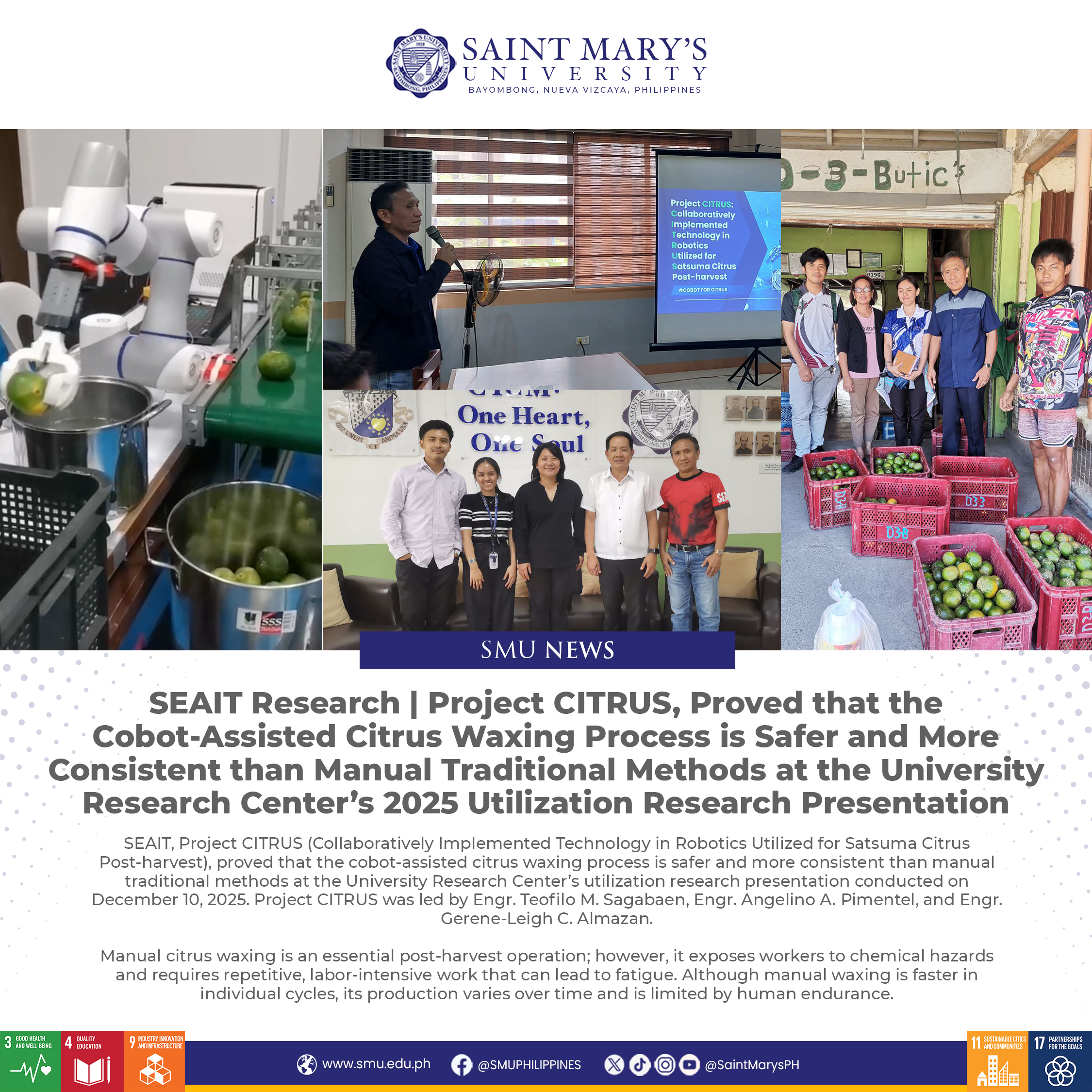
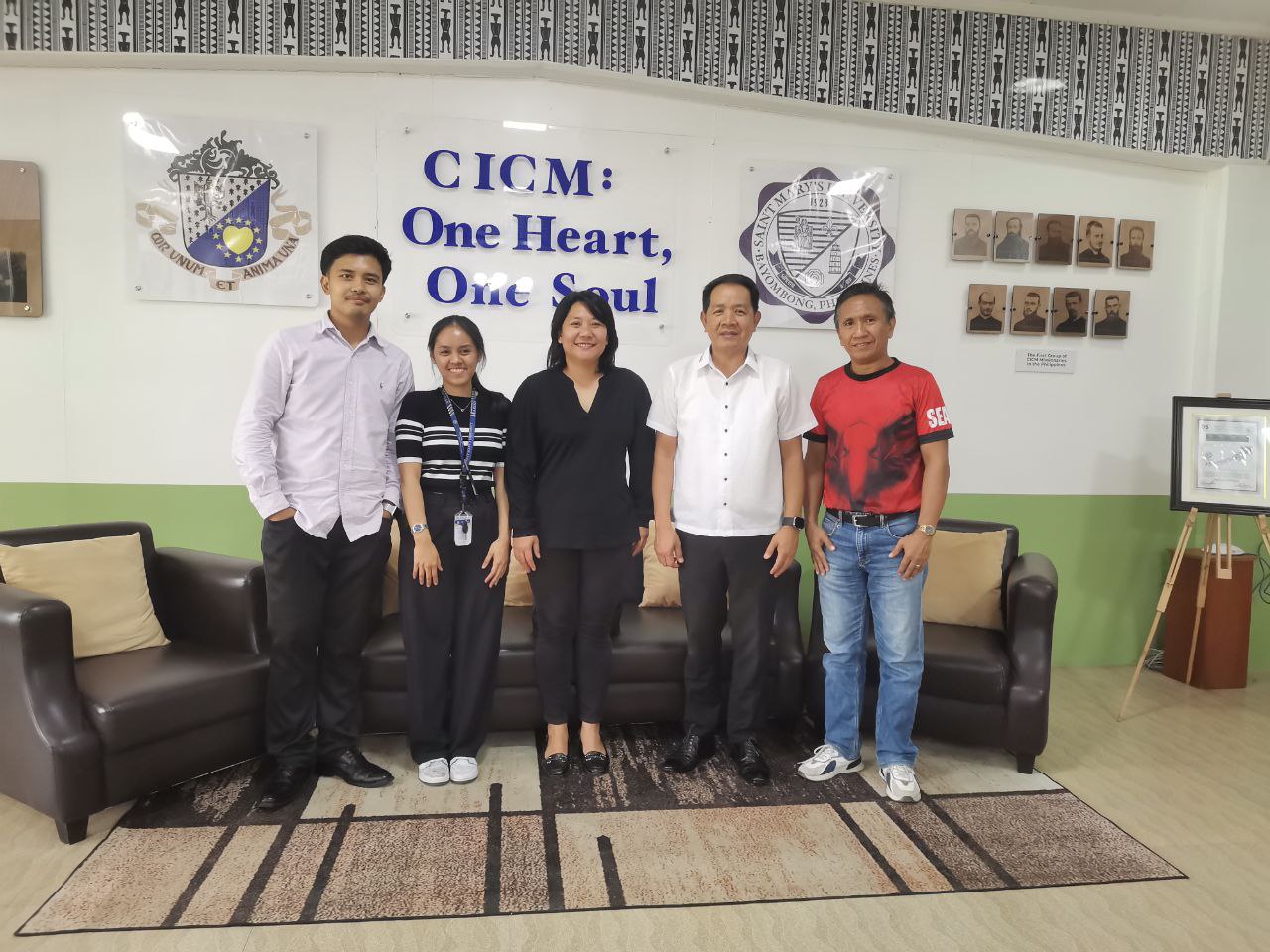
SEAIT, Project CITRUS (Collaboratively Implemented Technology in Robotics Utilized for Satsuma Citrus Post-harvest), proved that the cobot-assisted citrus waxing process is safer and more consistent than manual traditional methods at the University Research Center’s utilization research presentation conducted on December 10, 2025. Project CITRUS was led by Engr. Teofilo M. Sagabaen, Engr. Angelino A. Pimentel, and Engr. Gerene-Leigh C. Almazan.
Manual citrus waxing is an essential post-harvest operation; however, it exposes workers to chemical hazards and requires repetitive, labor-intensive work that can lead to fatigue. Although manual waxing is faster in individual cycles, its production varies over time and is limited by human endurance. A collaborative robot (cobot) is a safer and more dependable alternative that provides constant application, regular timing, and continuous operation without exposing personnel to irritation or respiratory concerns.
The project CITRUS aimed to determine if a cobot-assisted waxing system could enhance safety and long-term reliability in citrus processing while seamlessly integrating with existing farm post-harvest operations. Using the Mann-Whitney U-test, the findings demonstrated that cobot-assisted waxing (Mean Rank = 66.50, n = 44) was significantly slower than manual labor (Mean Rank = 22.50, n = 44), U = 0.00, Z = –8.68, p < .001. But the cobot showed better consistency, consistent timing (▲29% improved efficiency, 12 seconds 🡪9 seconds), and the capacity to work constantly without tiredness or exposure to risks, even though hand processing proved faster in individual trials. Although the cobot did not outperform manual speed in this initial application, these benefits demonstrate its potential to enhance safety and long-term dependability in citrus waxing operations.
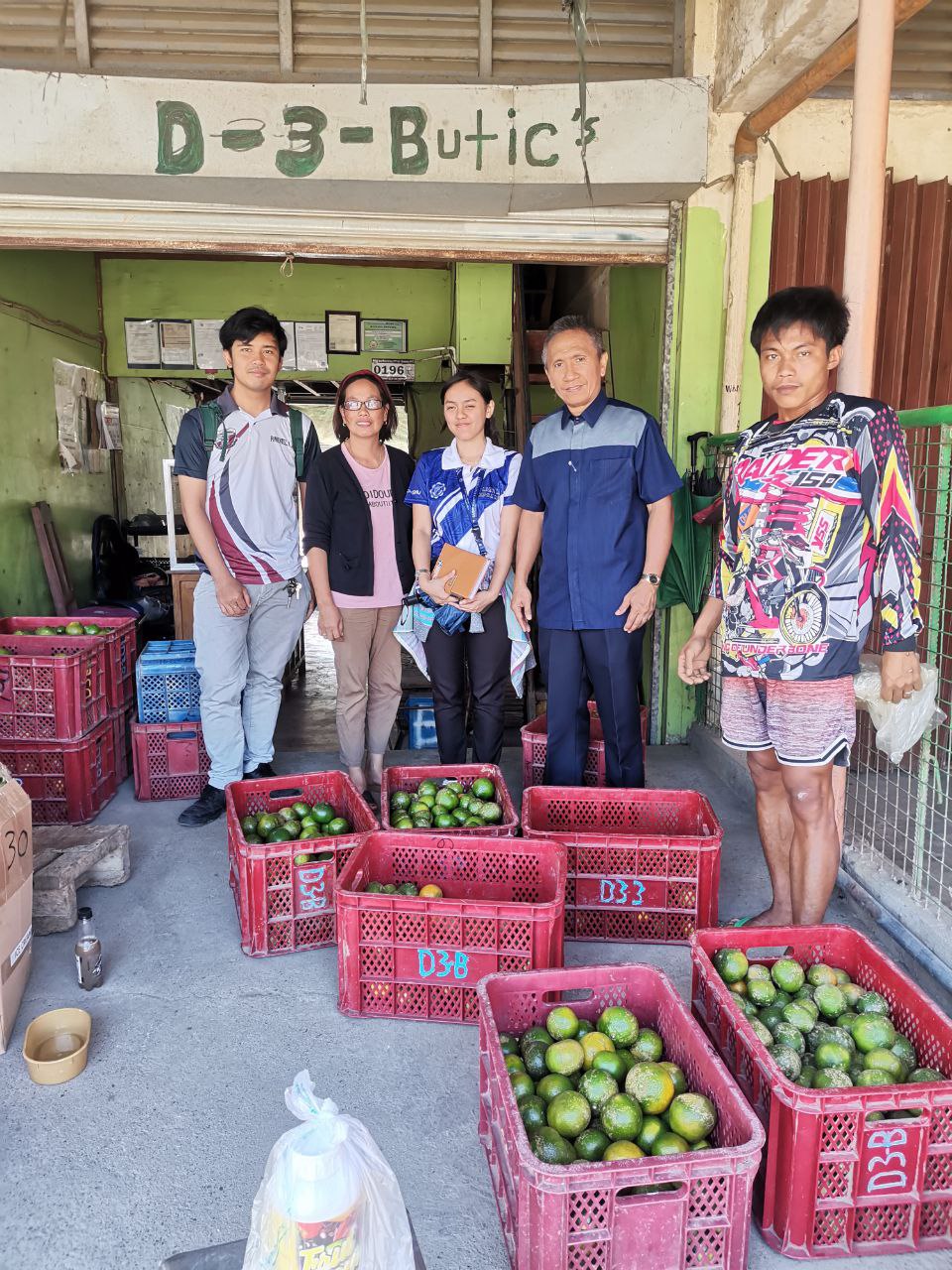
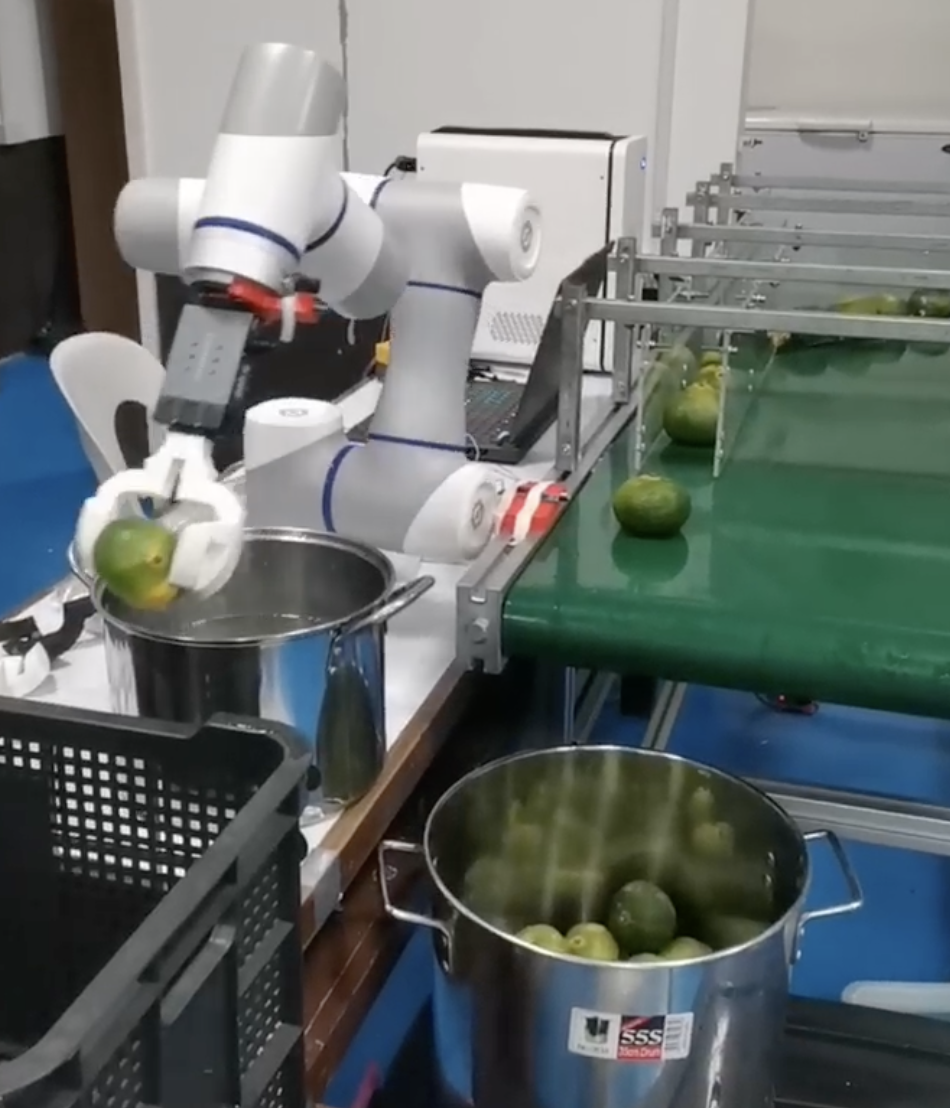
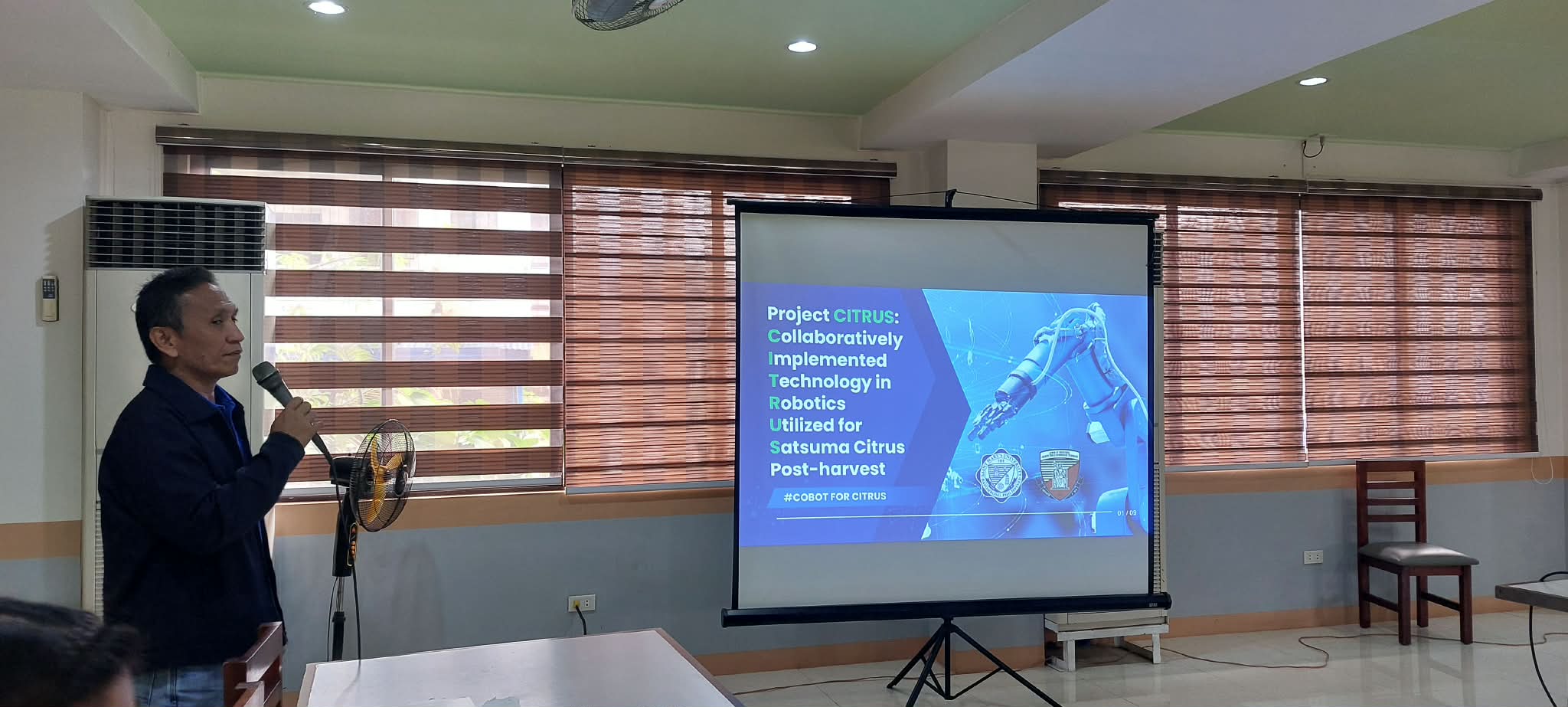
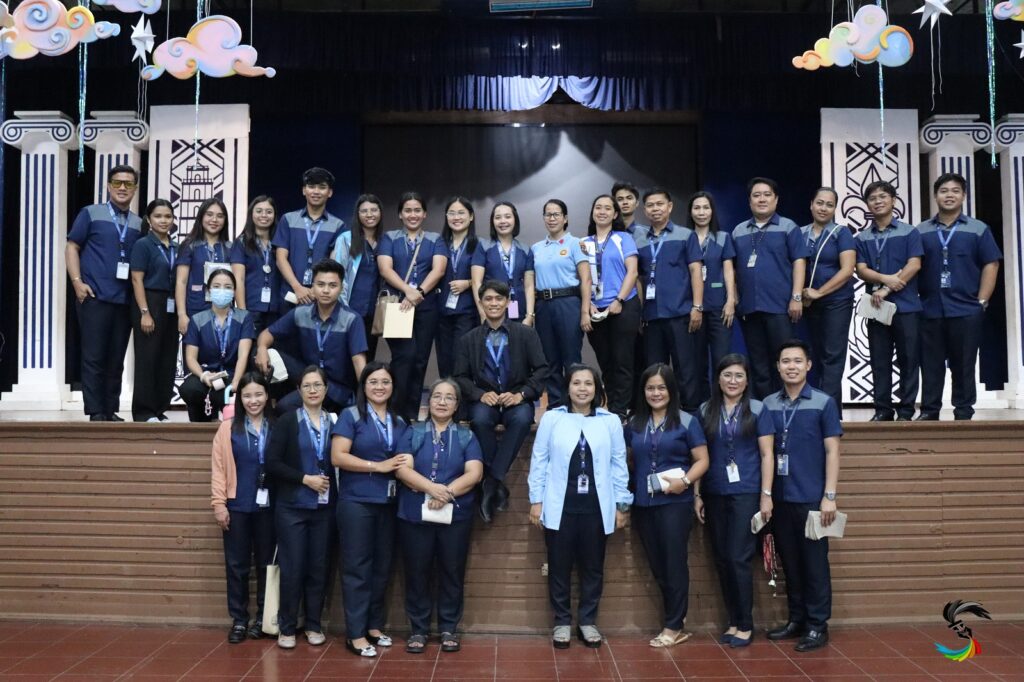
Generally, Butic’s Wholesaler Store, the Nueva Vizcaya Citrus Industry Development Council, and LCN Farms were grateful for the engagements initiated. They look forward to the further development of the Project CITRUS. They said that Project CITRUS has full potential and will continue to support the project. Some of their concerns were about the feasibility of the chosen cobot-assisted waxing process for automation. They recommended an intelligent sorting process that can detect the ripeness and grading of the citrus fruit. The research team will implement the said recommendations for our next engagement with the University Research Center of Saint Mary’s University.
SDG 3 – Good Health and Well-being
SDG 4 – Quality Education
SDG 9 – Industry, Innovation, and Infrastructure
SDG 11 – Sustainable Cities and Communities
SDG 17 – Partnership for the Goals
Written by: Engr. Angelino A. Pimentel, PECE, PhD EE Cand. – Electronics Engineering (ECE) Faculty Member