SMU advances environmental advocacy; partners with LRC, Diocese of Bayombong for AGAYUS Watershed Fair
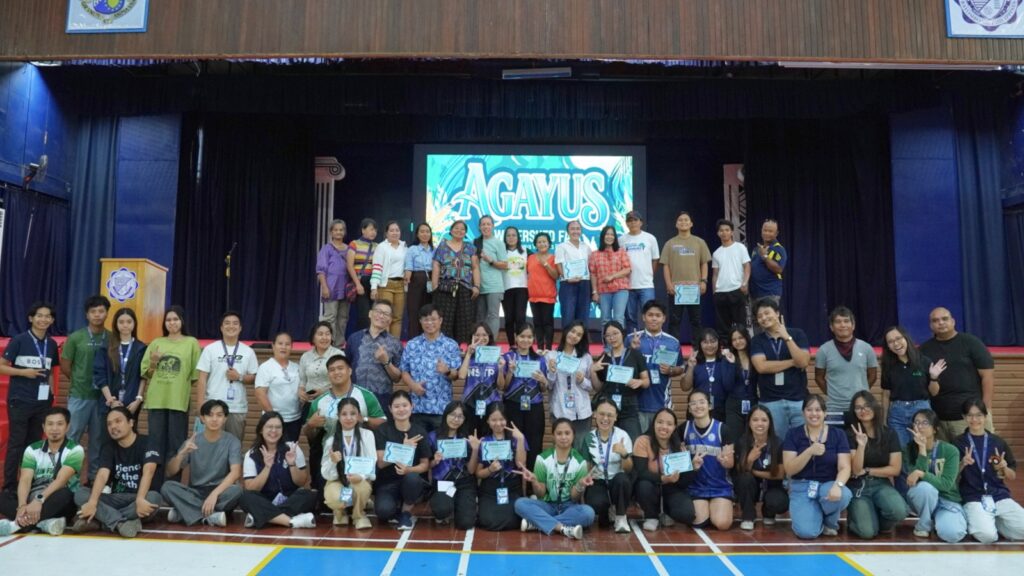
Highlighting the ecological significance of the Cagayan Valley watershed system through combining education, cultural exchange, and direct community engagement while reinforcing the link between environmental conservation, women’s empowerment, and local livelihoods, Saint Mary’s University (SMU) partners with Legal Rights and Natural Resources Center (LRC) along with the Roman Catholic Diocese of Bayombong for “AGAYUS: A Watershed Fair Celebrating Nueva Vizcaya’s Bounties,” held at Fr. Cornelius Tonus Gymnasium, March 21.
The one-day fair brought together students, local producers, indigenous representatives, and advocates to promote watershed protection and biodiversity-based livelihoods through various activities led by leaders, locals, students and legal experts.
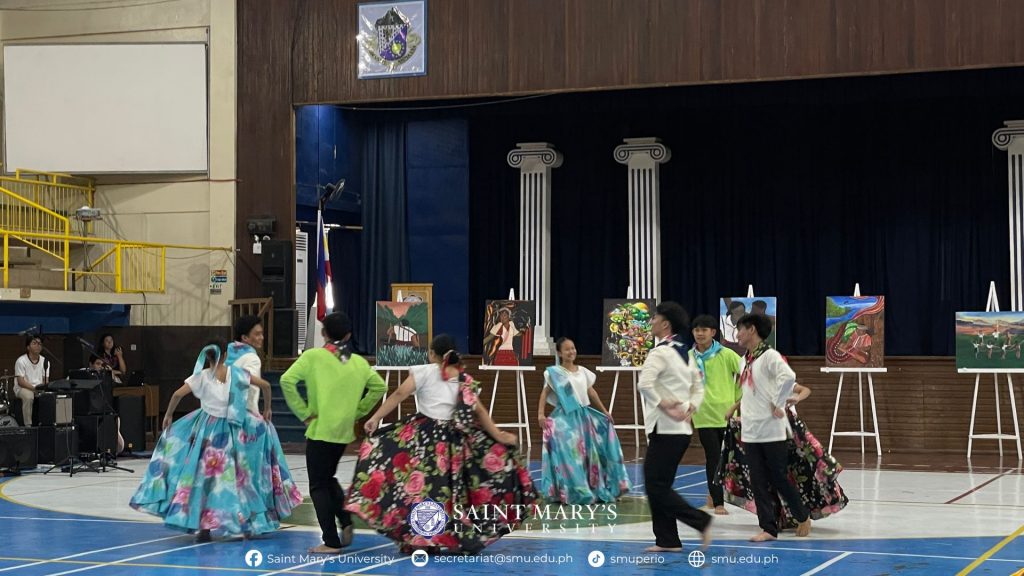
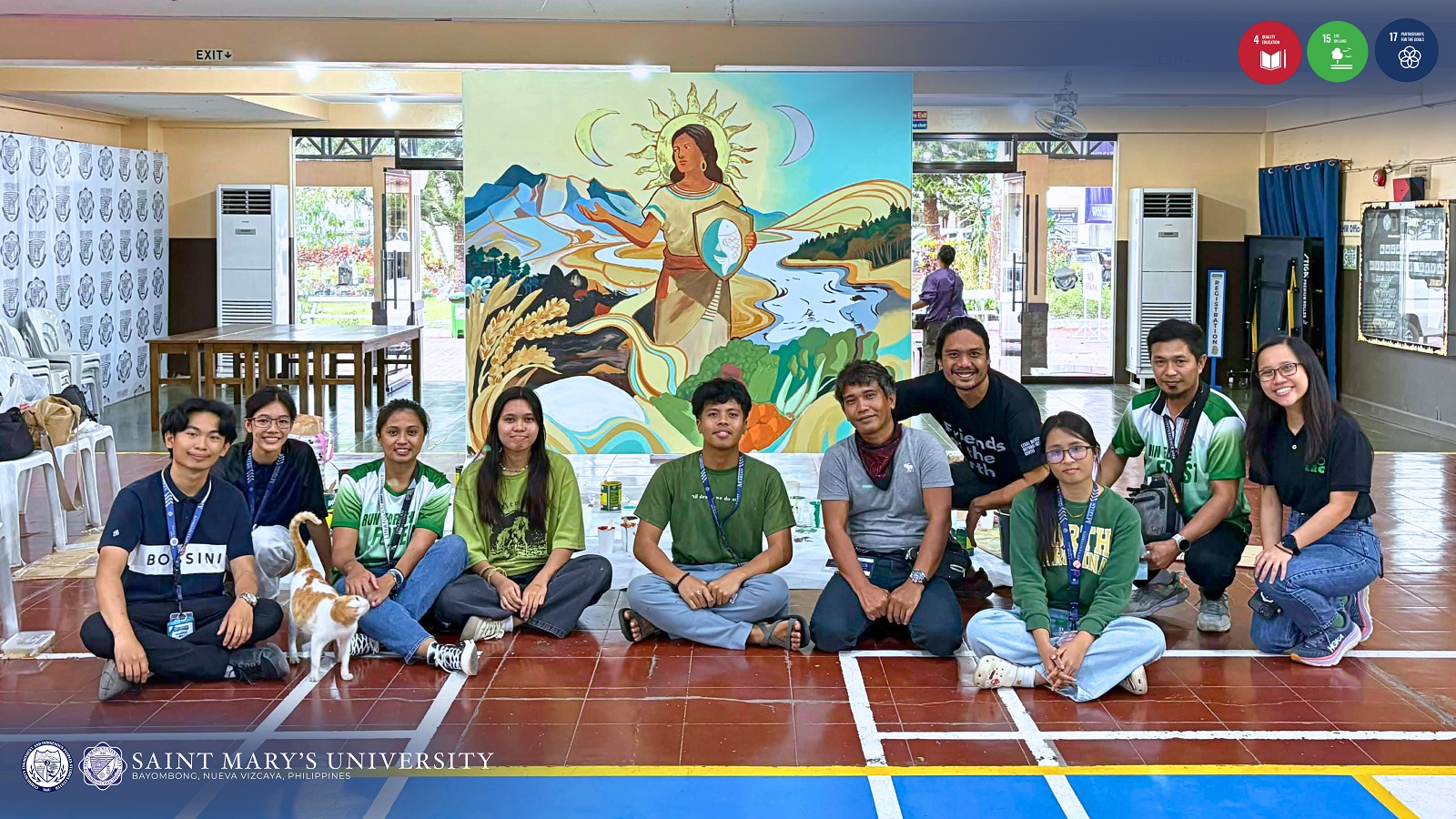
The activities included learning sessions, culinary heritage showcase, eco-vlogging crash course, art installation, panel discussion with student leaders, and the Agayus pledge which were all conducted in hopes of addressing critical environmental concerns including mining and deforestation through collective action and advocacy as a core component of the Nueva Vizcaya-Quirino Environmental and Human Rights Protection Hub.
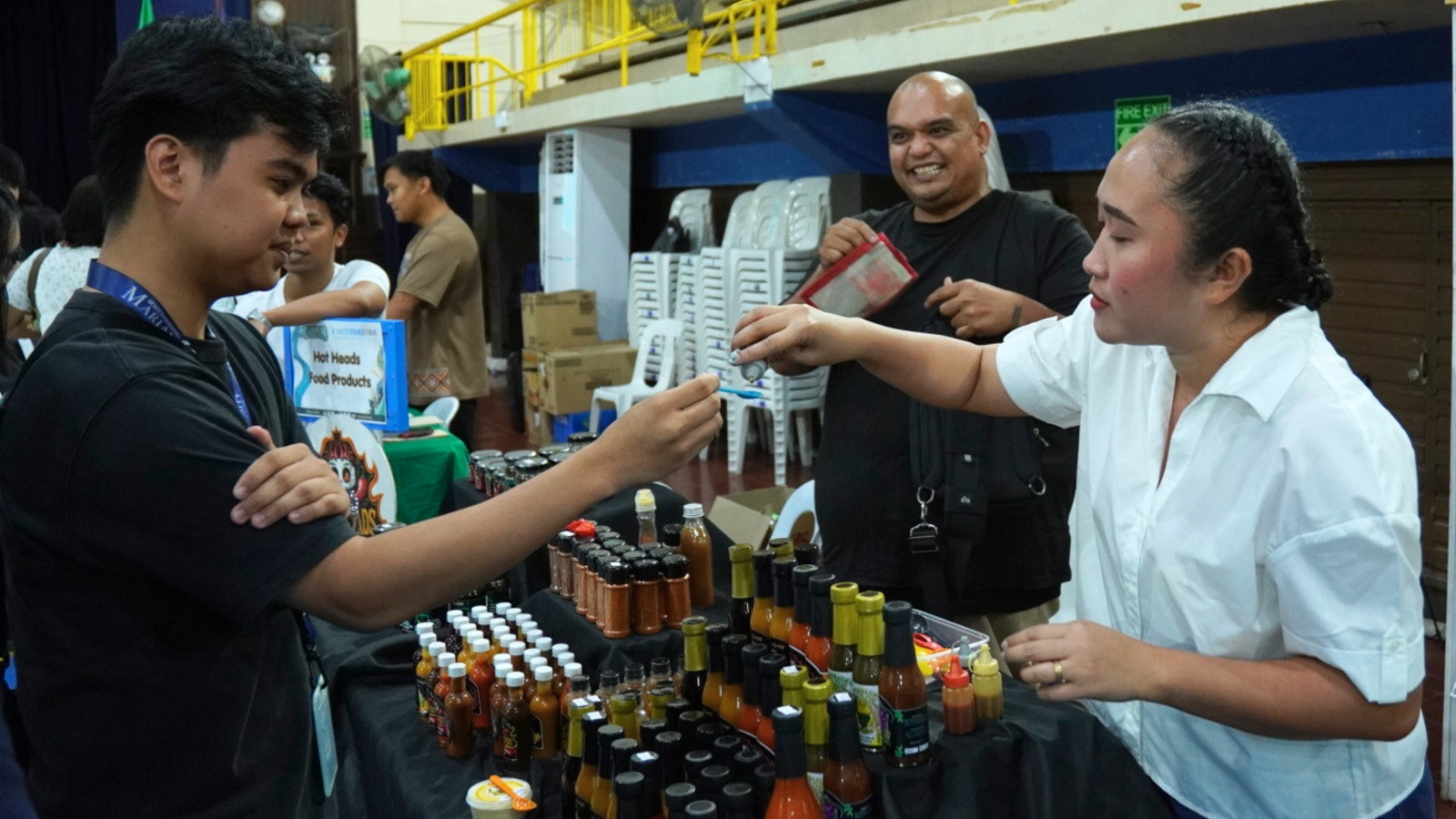
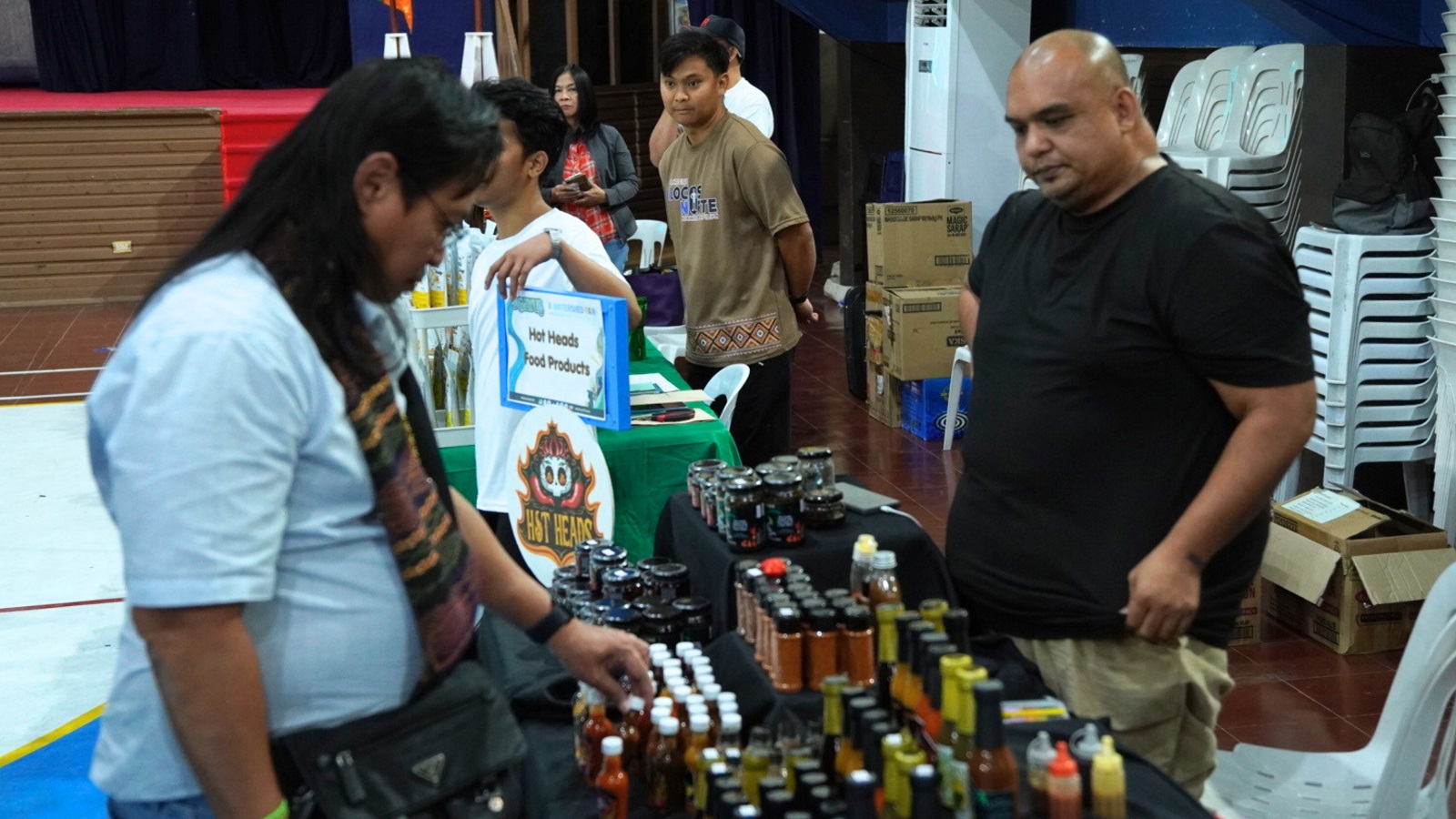
Furthermore, the event transformed the gymnasium into a bio-cultural marketplace featuring women-led enterprises, farmers, and small-scale producers. Exhibitors showcased local agricultural products, traditional food, and crafts made from sustainable materials, allowing participants to engage directly with producers whose livelihoods depend on healthy ecosystems.
Timed with Women’s Month and the International Day of Forests, the event framed environmental protection as both an ecological and social issue, emphasizing the role of women as primary stewards of natural resources and community well-being.
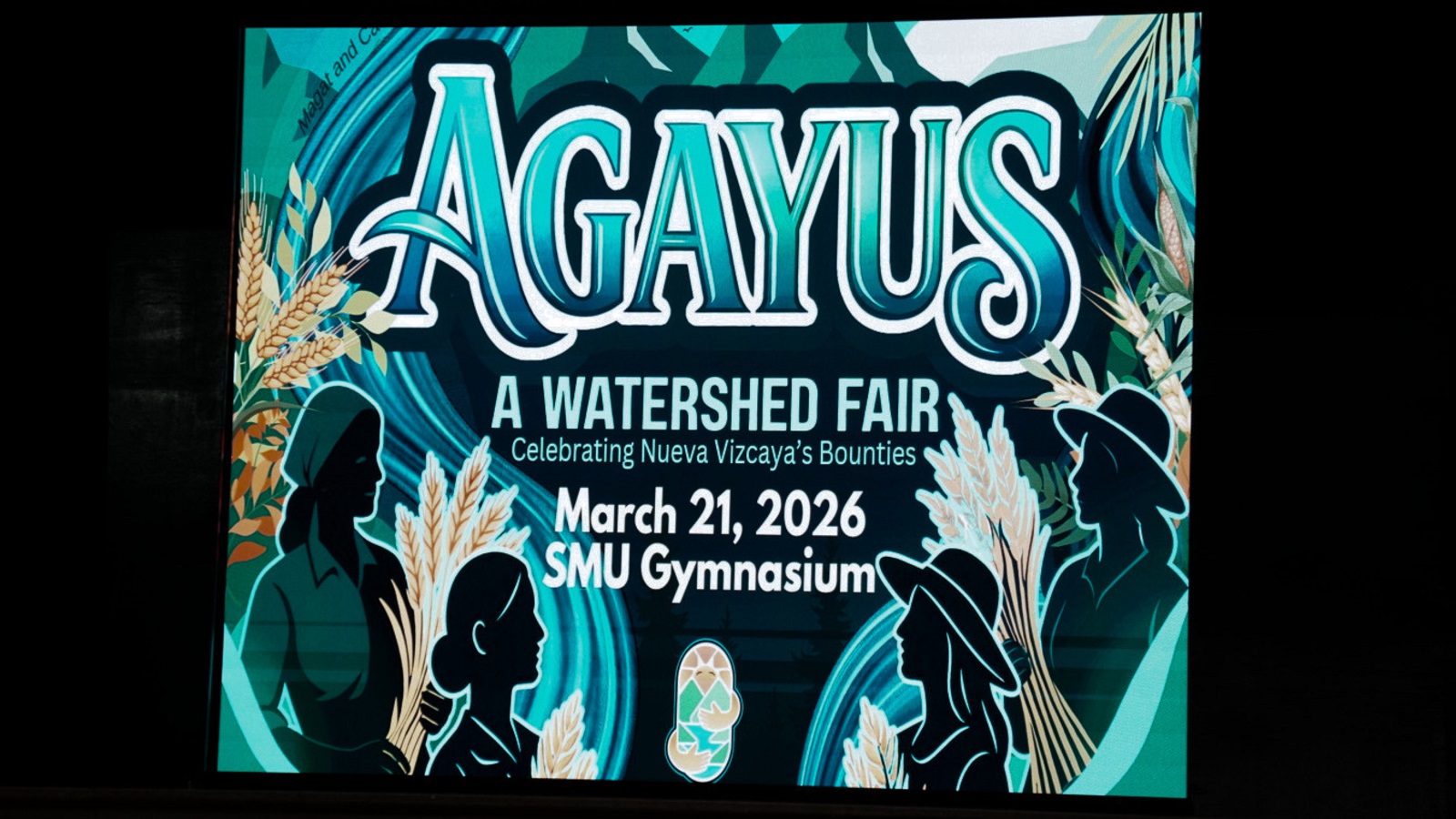
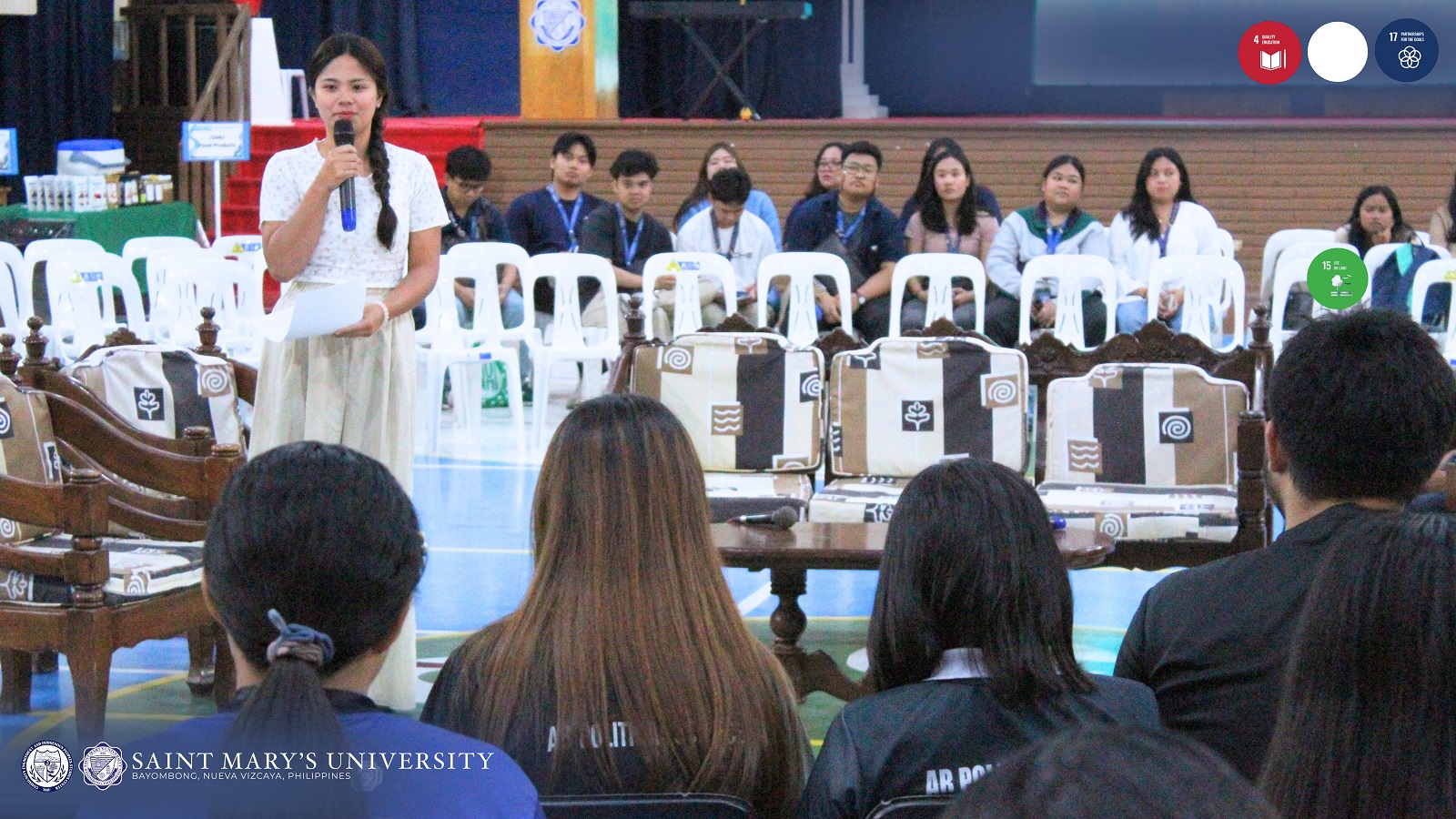
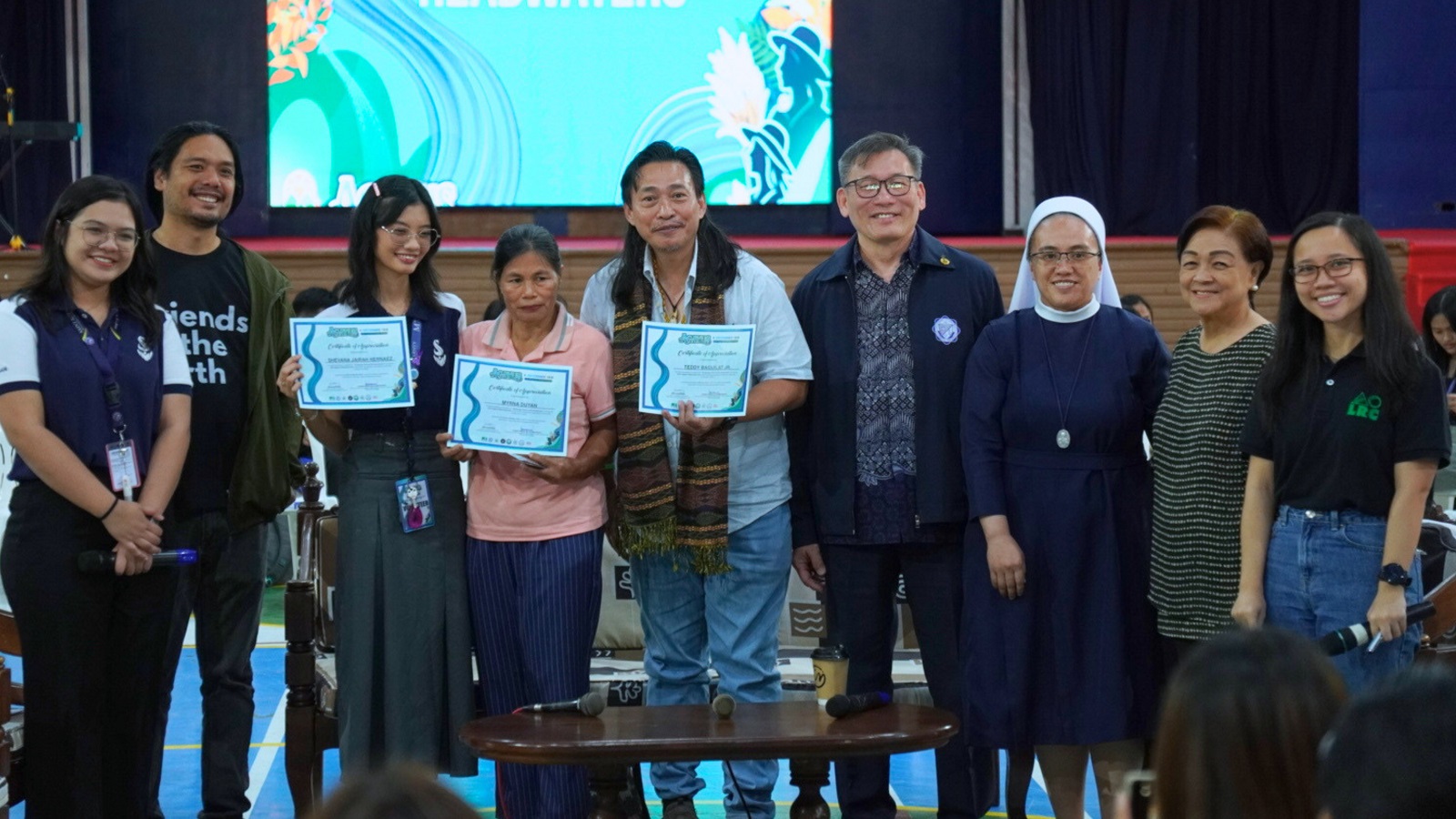



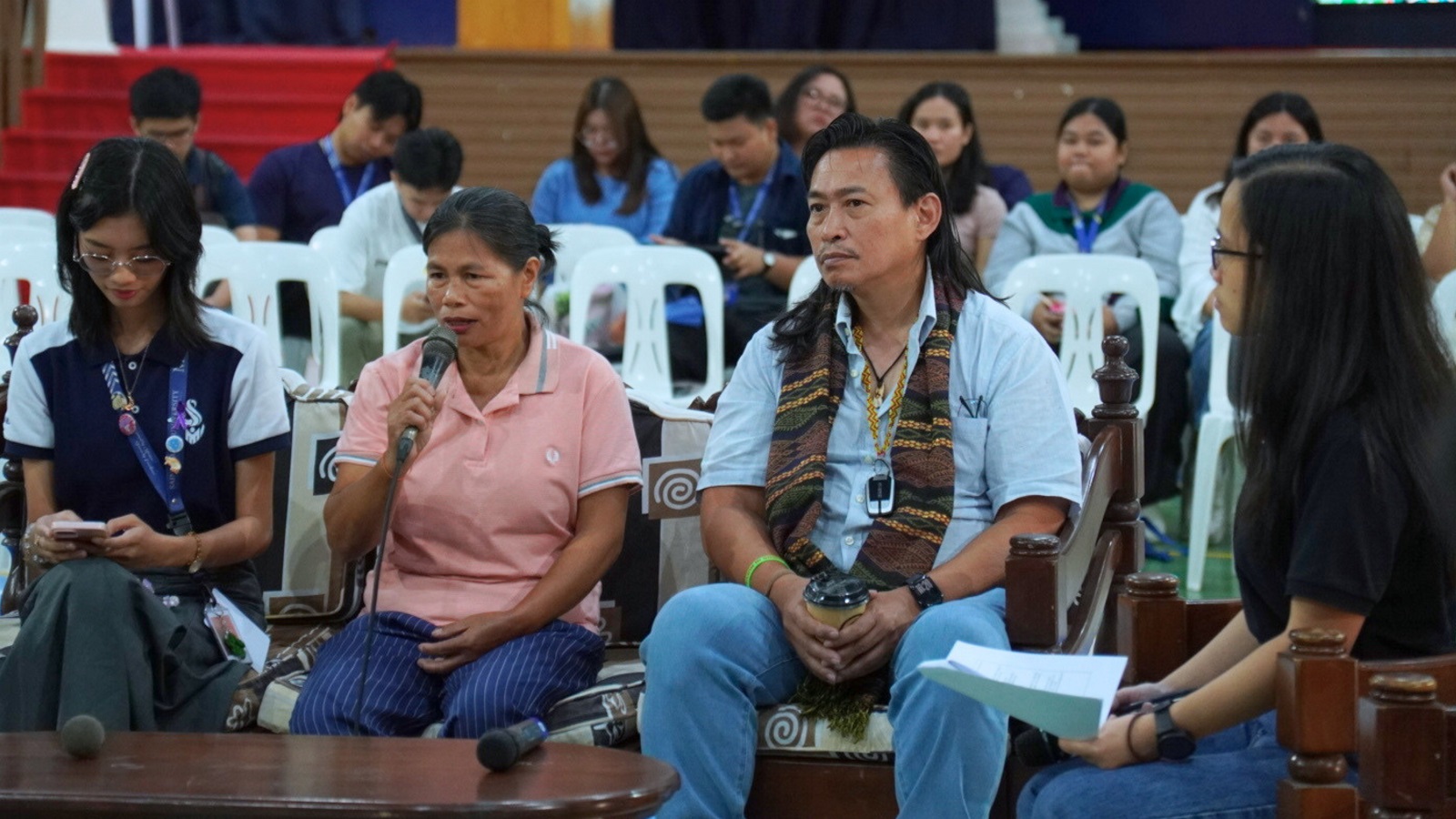
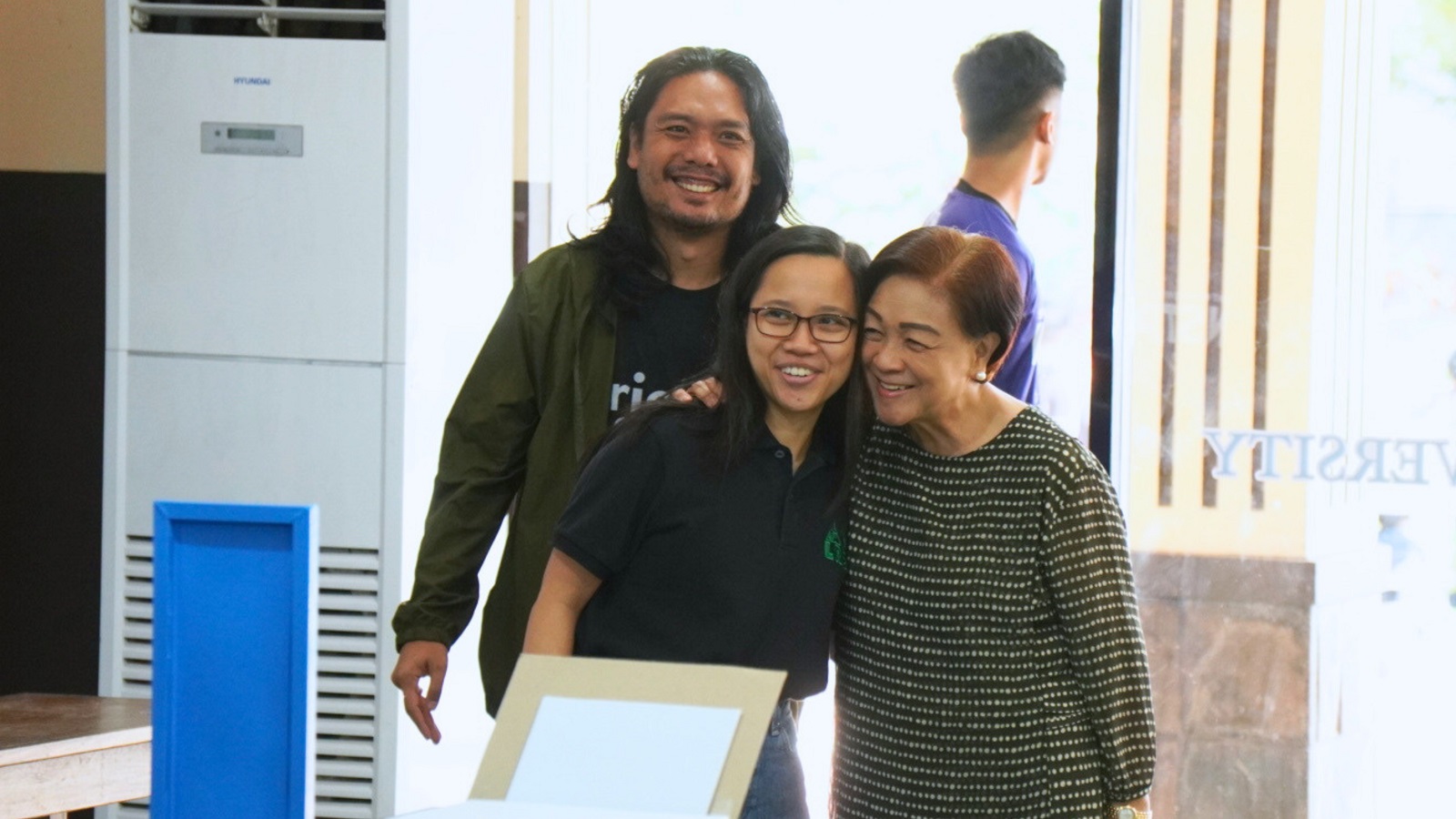

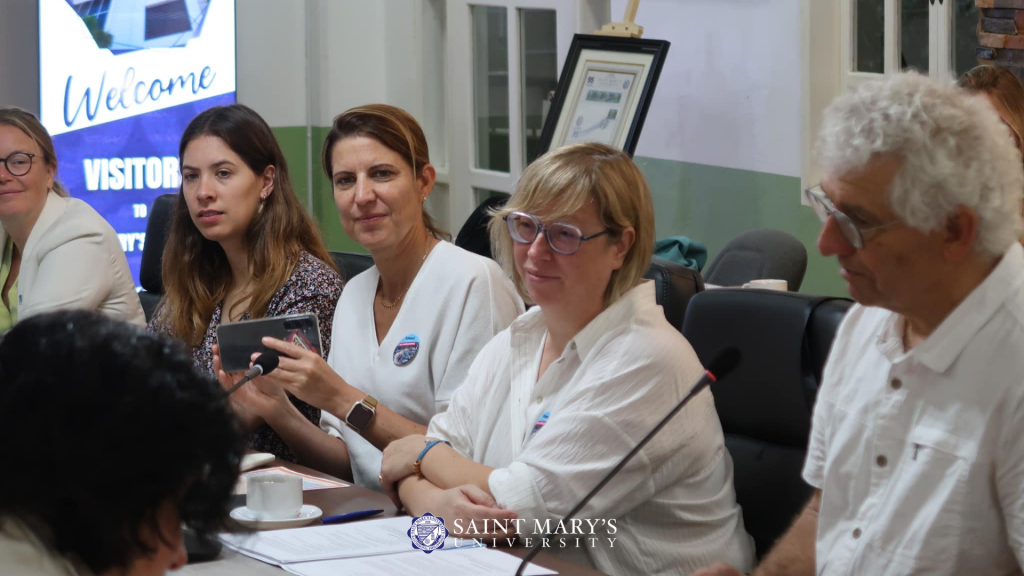
Additionally, the event forwarded a session to introduce participants to the ecological significance of Nueva Vizcaya as a key water source in Luzon, followed by a dialogue involving Congressman Teddy Baguilat Jr., a student leader, and an indigenous elder to highlight perspectives on environmental protection and community stewardship.
Congressman Teddy Baguilat Jr. positioned watershed conservation as directly linked to policies that should cater to the needs of the local communities while urging the government to revise the existing laws.
”When I was governor, we had local ordinances. We needed to change the law in terms of protecting the watersheds, in terms of recognizing the voices of those in the community. Right now, the Department of Environment and Natural Resources has a lot of discretion in terms of how we protect the watersheds, in terms of how we use our natural resources. They make the decisions, not the communities,” he said.
“And I cannot just trust an agency that is supposed to protect our natural resources, our critical watersheds but at the same time, they are the ones giving mining and logging permits So there is a conflict of interest in their mandate,” he added, further emphasizing on the need to amend the laws as that are currently existing but does not cater the needs of the local communities.
Moreover, Shevana Hernaez, President of the SMU Student Central Council, urged the youth to make space for environmental advocacies as she believed that although young people are often underestimated due to their age, particularly in decision-making spaces where they are the youngest present, the youth should instead be seen as an asset, citing their capacity for innovation, creativity, and adaptability especially in utilizing modern tools and technologies to bridge gaps in society.
More so, Hernaez highlighted that students can contribute meaningfully through research and development, stressing that academic work such as theses should extend beyond academic requirements and be applied within communities as well as pushing for policy changes that benefit communities.
The event concluded with the “Agayus Pledge,” a symbolic activity representing collective responsibility for watershed protection, followed by a closing program and cultural performances.
Central to the fair was the focus on Nueva Vizcaya’s watershed systems, particularly the 234,824-hectare Magat Watershed and the 88,846-hectare Casecnan Watershed, which support water supply, agriculture, and energy needs in the Cagayan Valley.
SDG 4 – Quality Education
SDG 15 – Life on Land
17 – Partnership for the Goals
Written by: Marielle Camonayan, CEIPSC Staff