SMU Stands with Kasibu; Opposes Large-Scale Mining thru Prayer, Solidarity
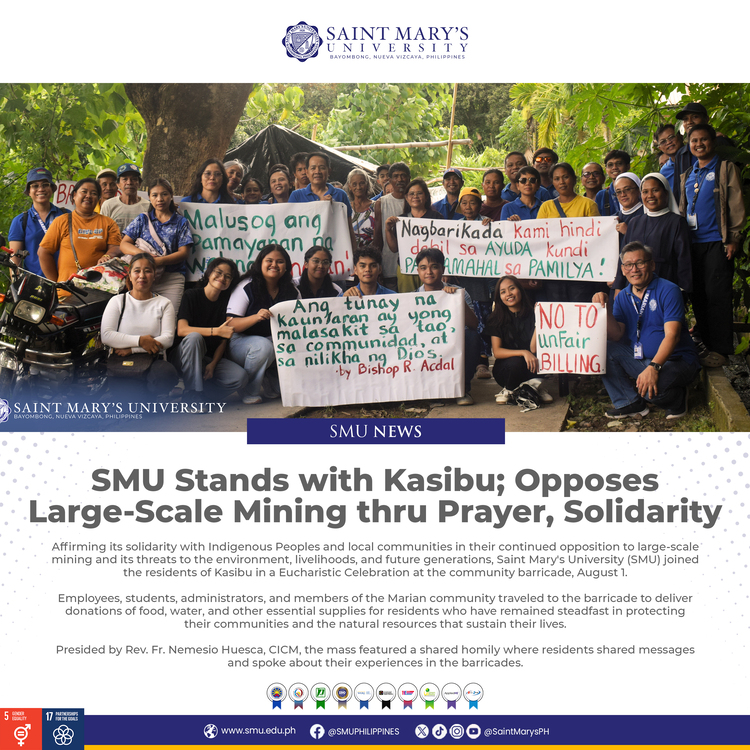
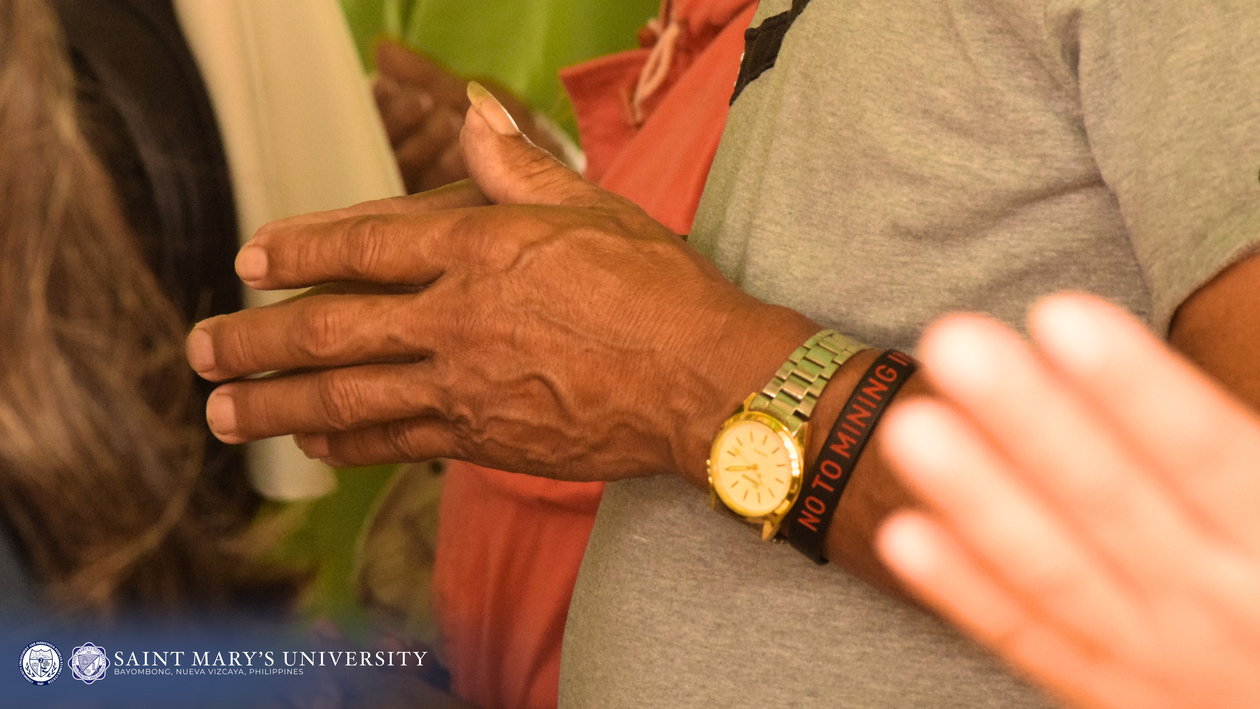
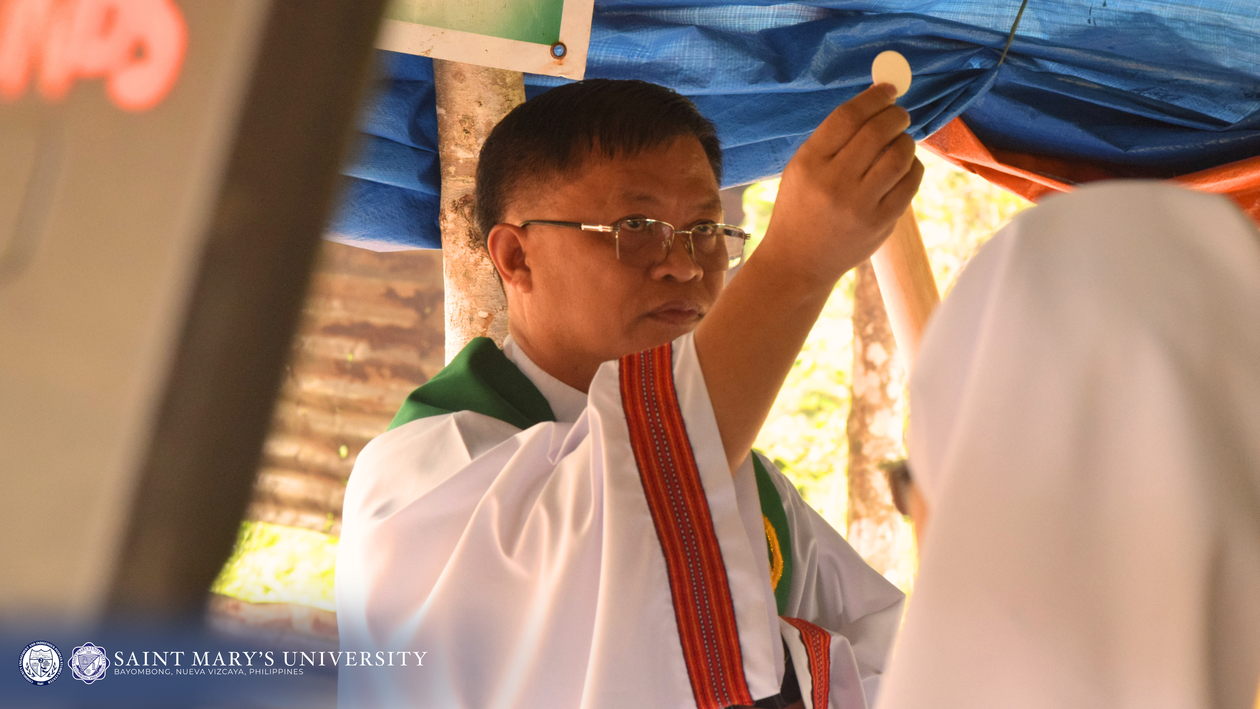
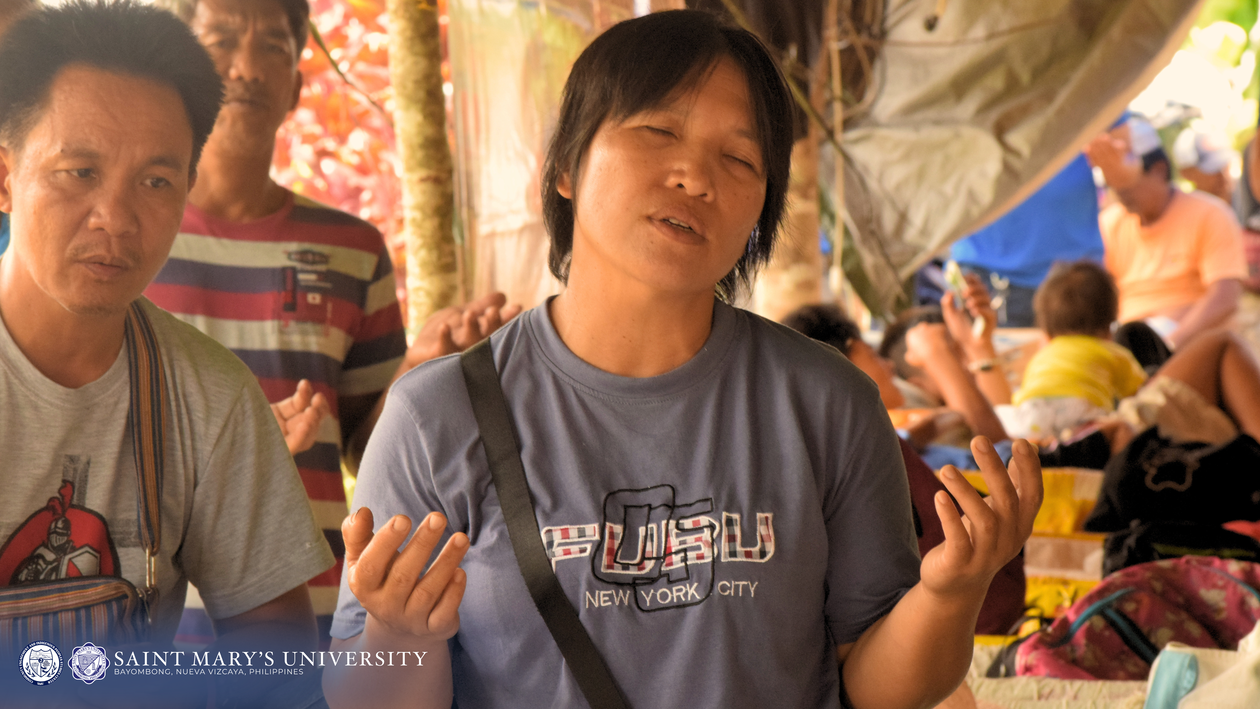
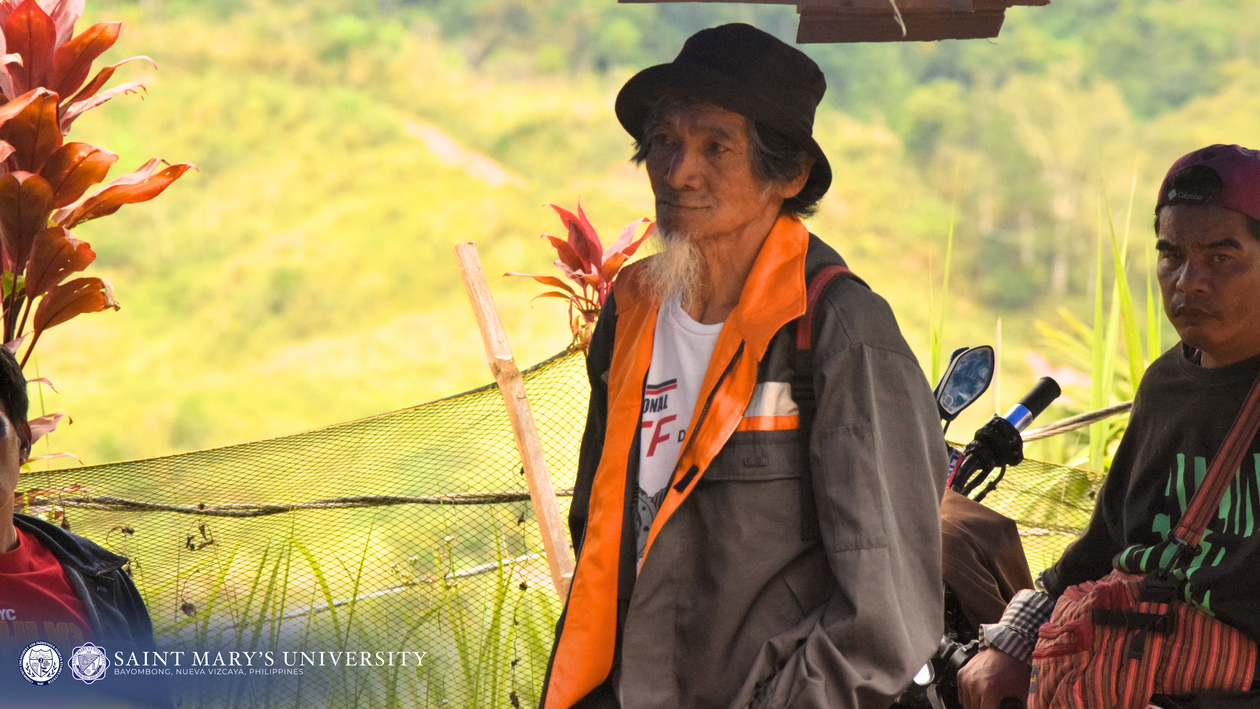
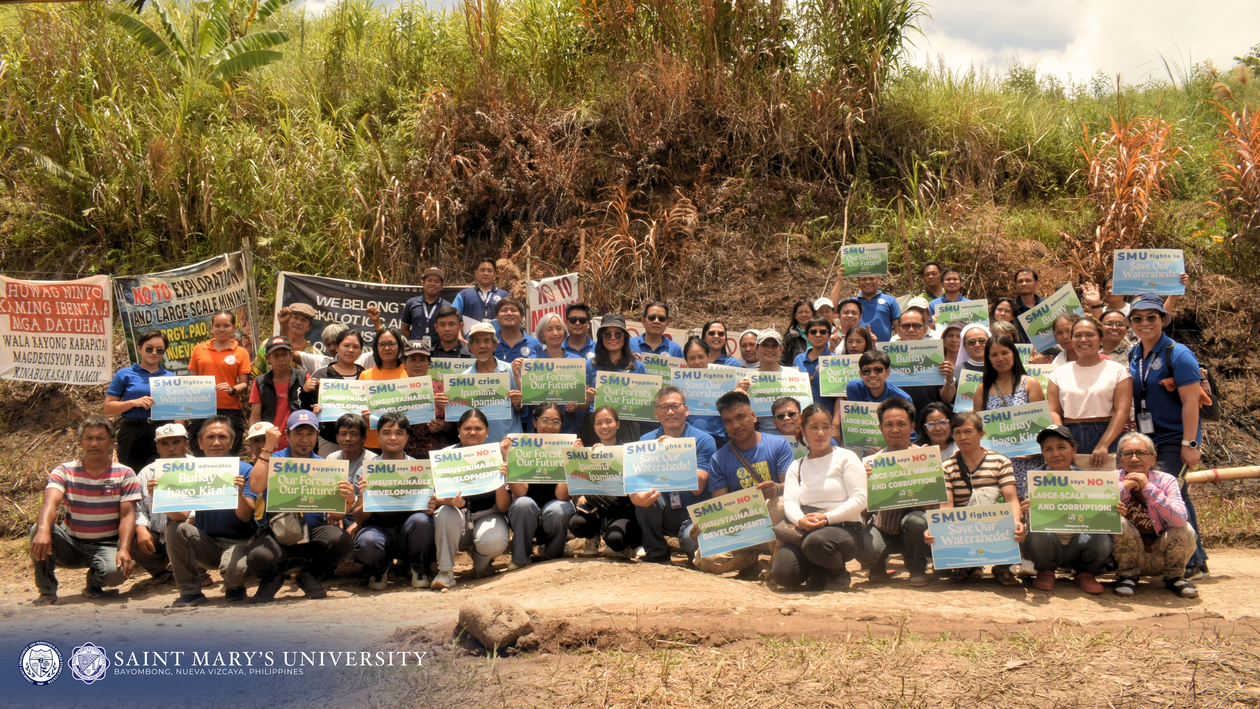
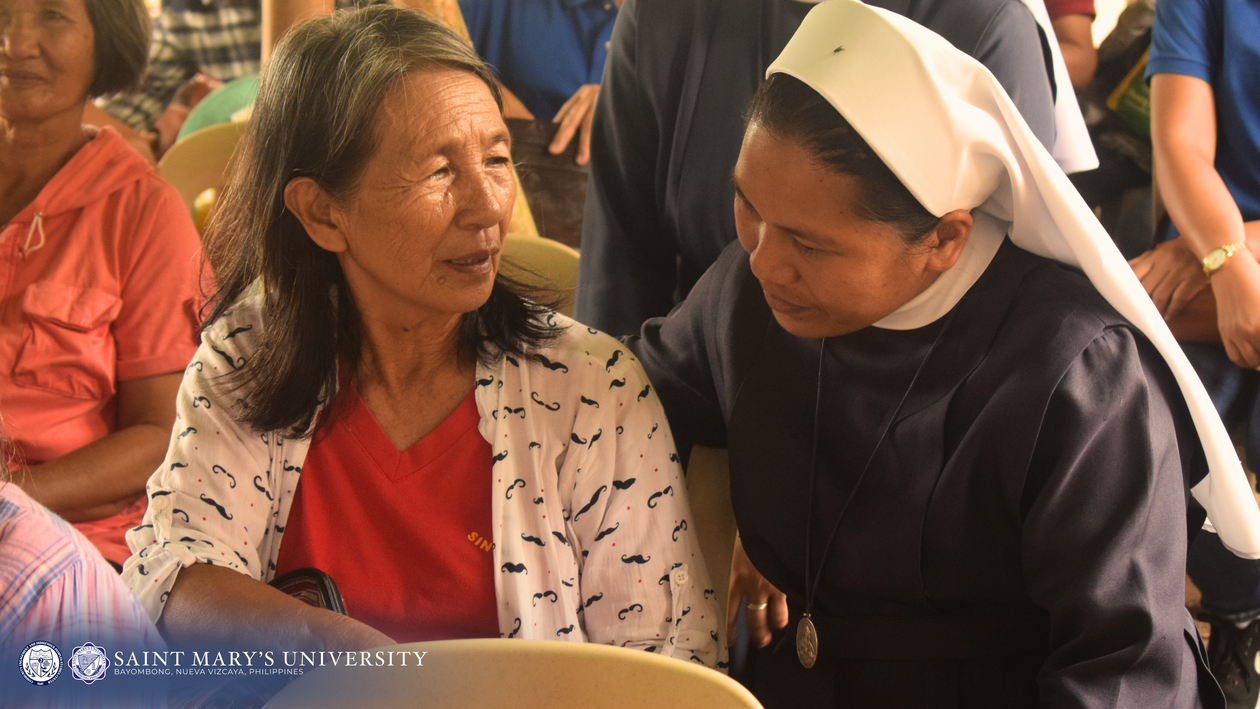
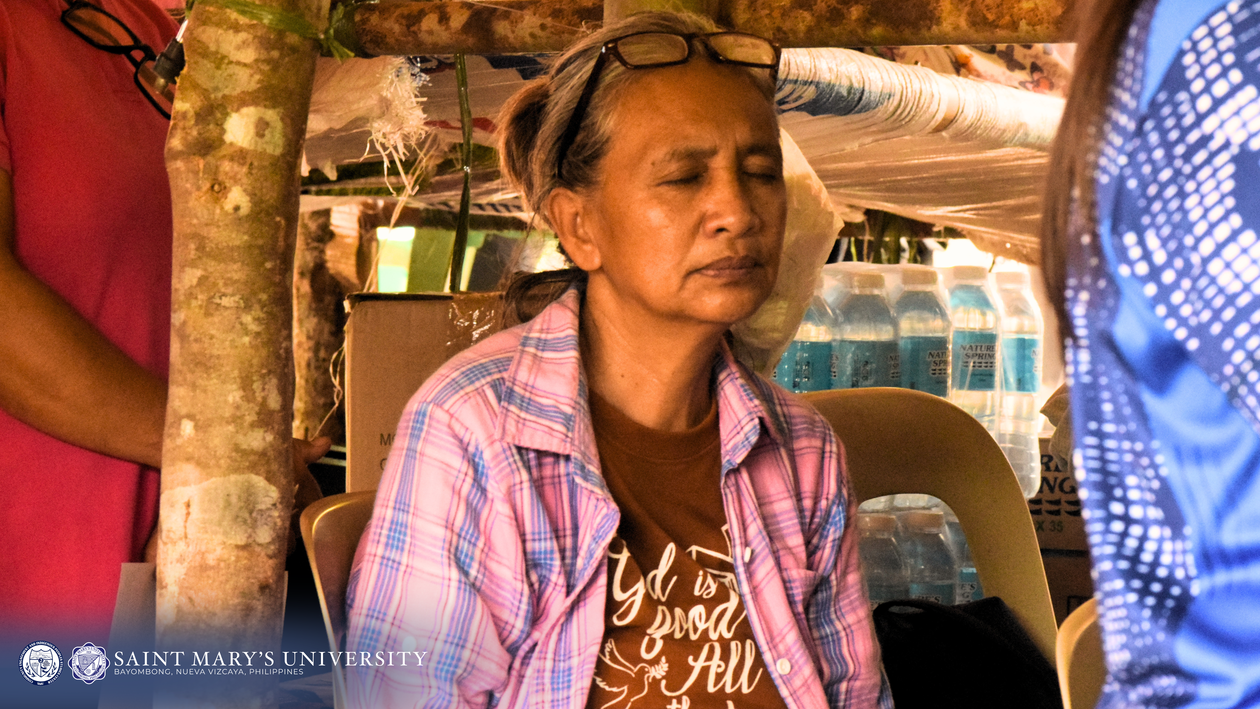
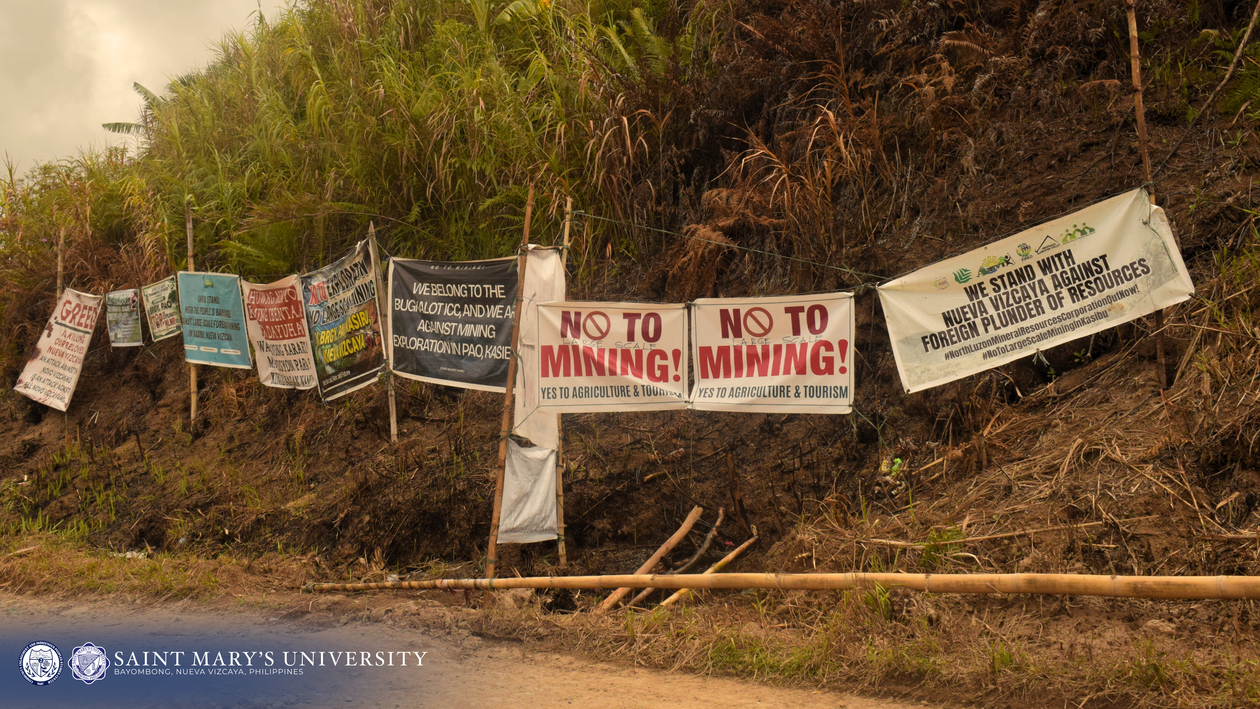
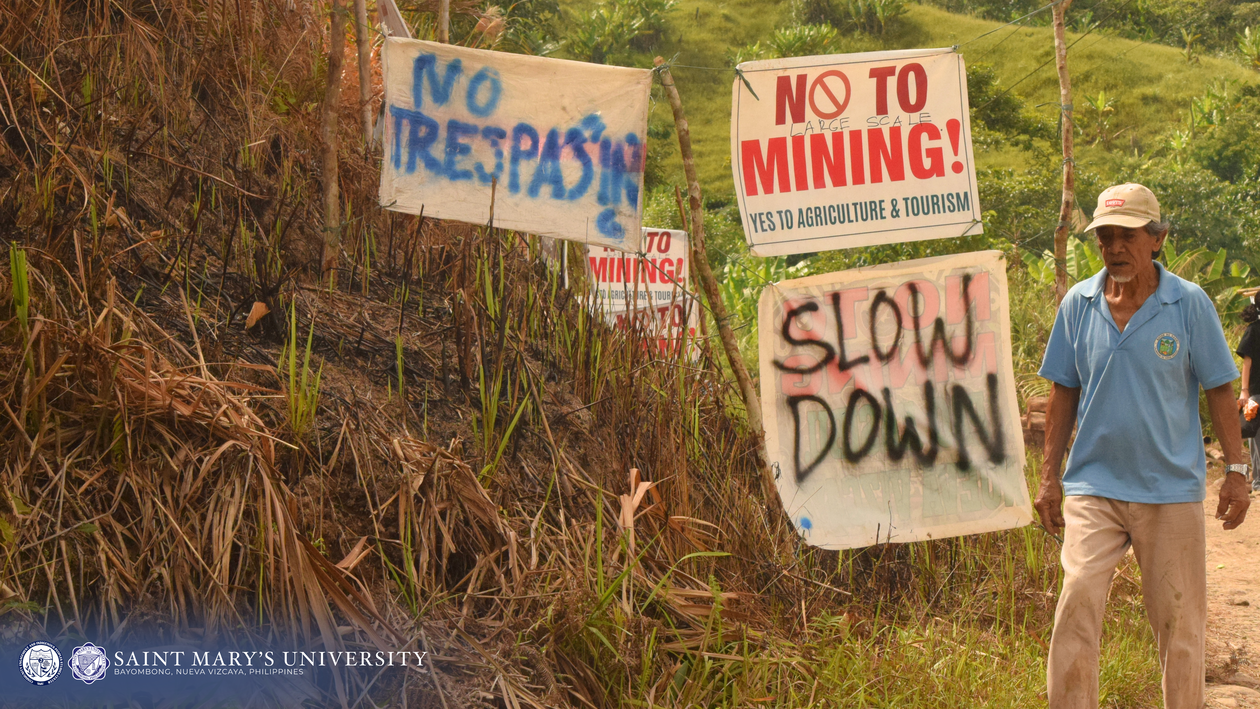
Affirming its solidarity with Indigenous Peoples and local communities in their continued opposition to large-scale mining and its threats to the environment, livelihoods, and future generations, Saint Mary’s University (SMU) joined the residents of Kasibu in a Eucharistic Celebration at the community barricade, August 1.
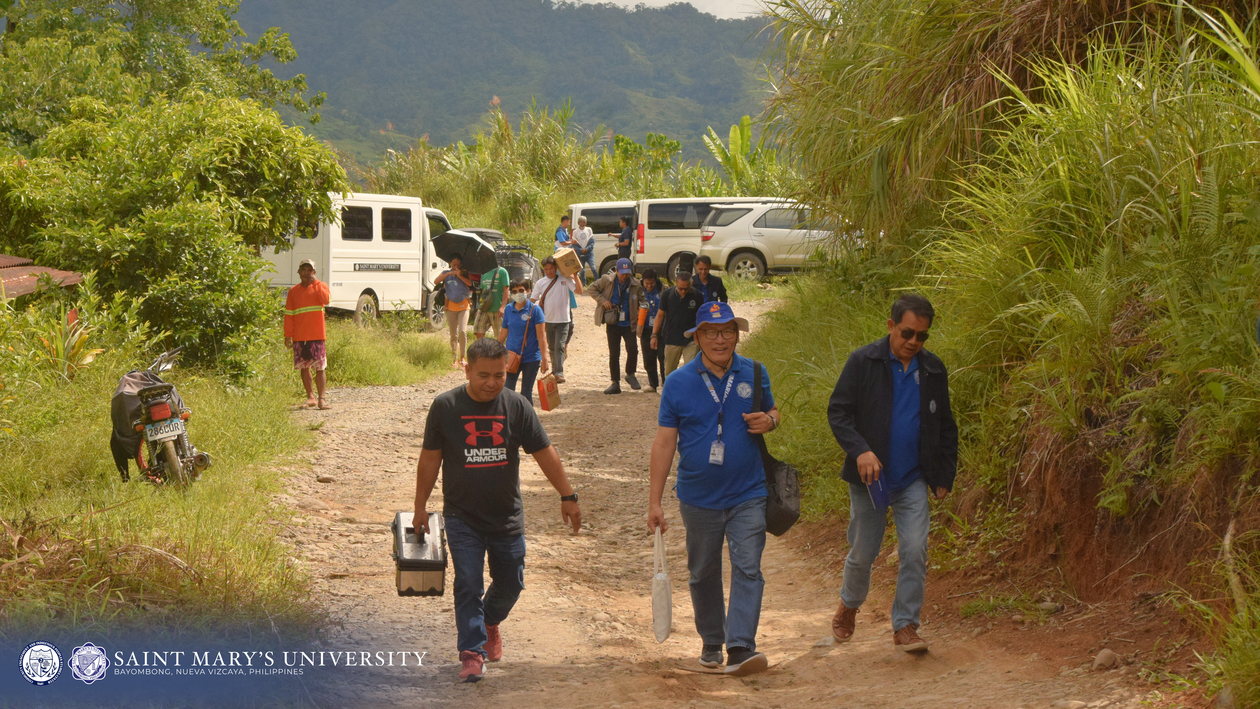
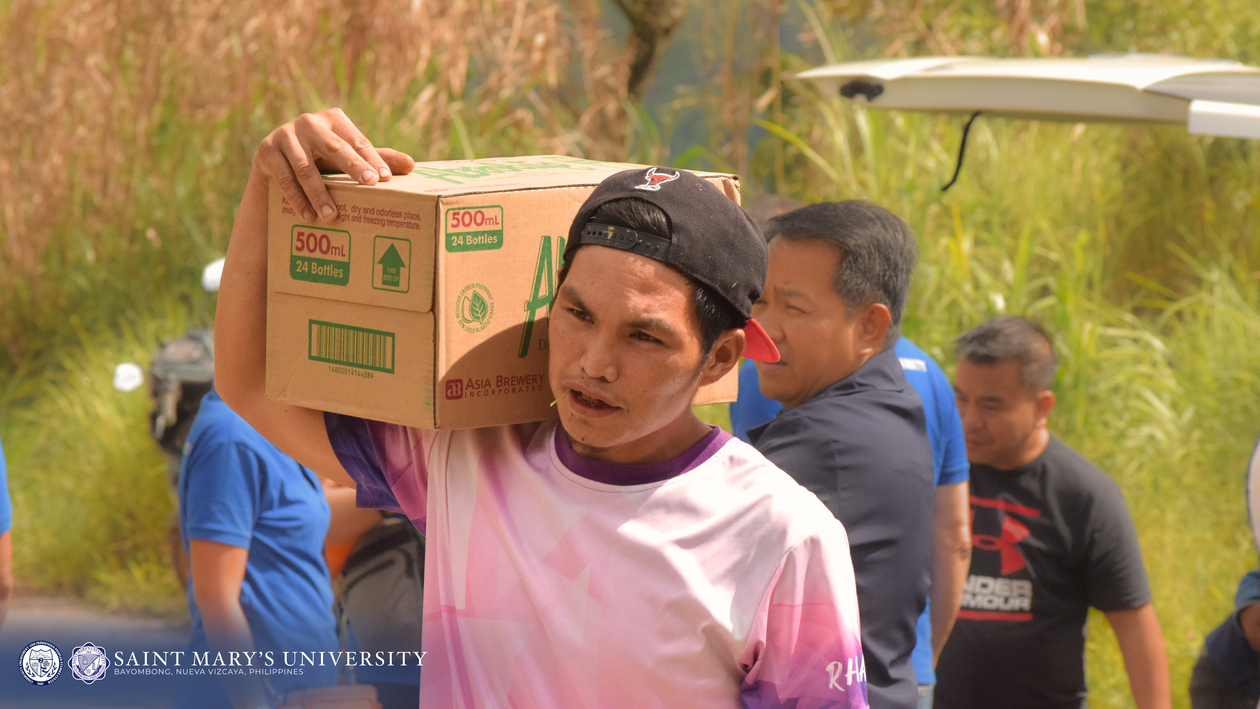
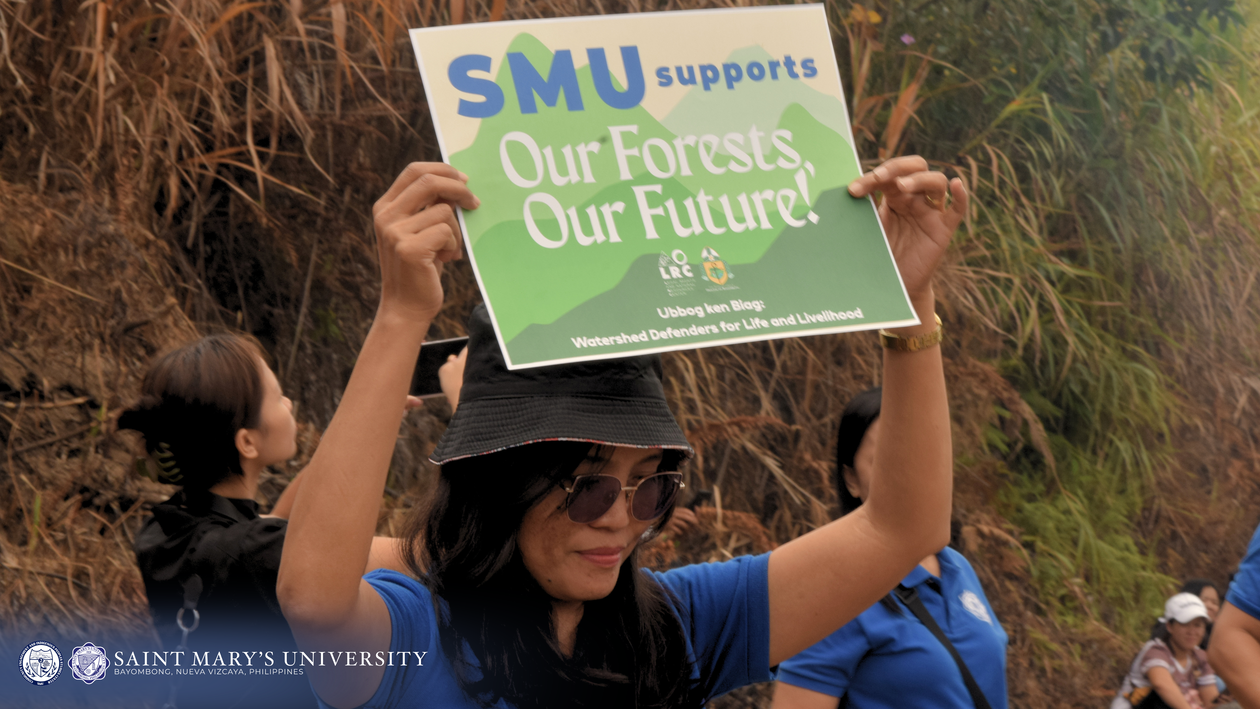
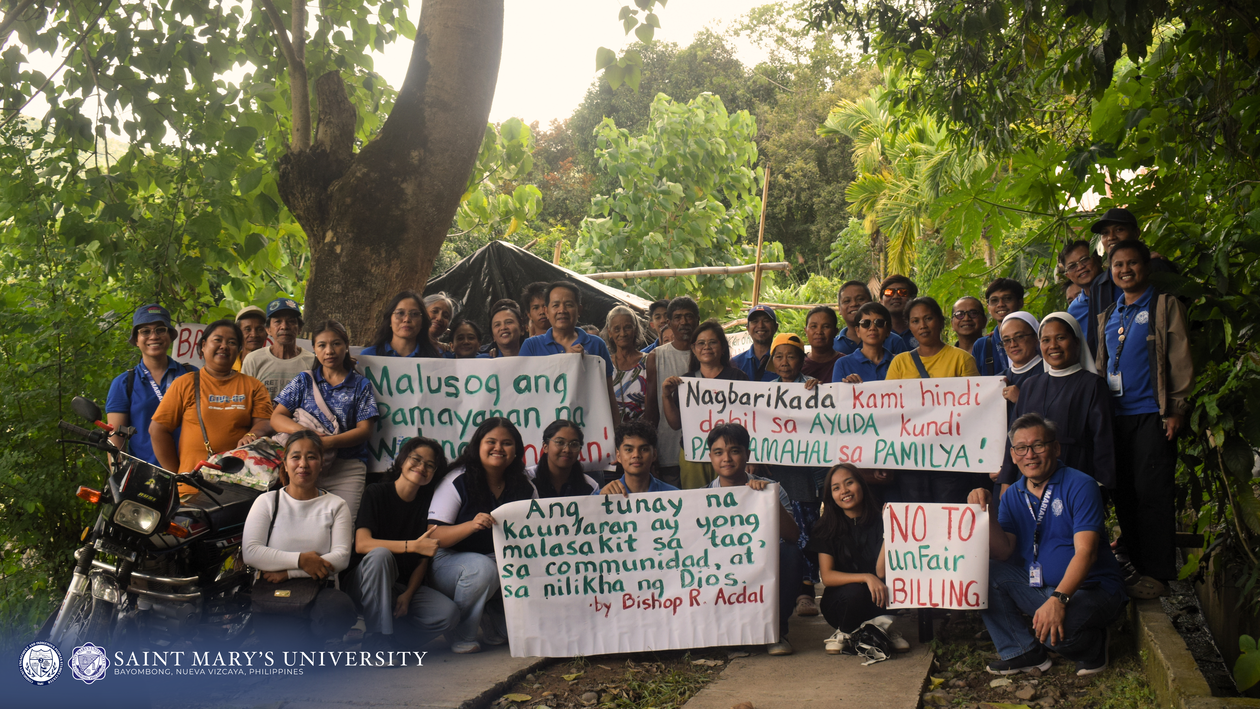
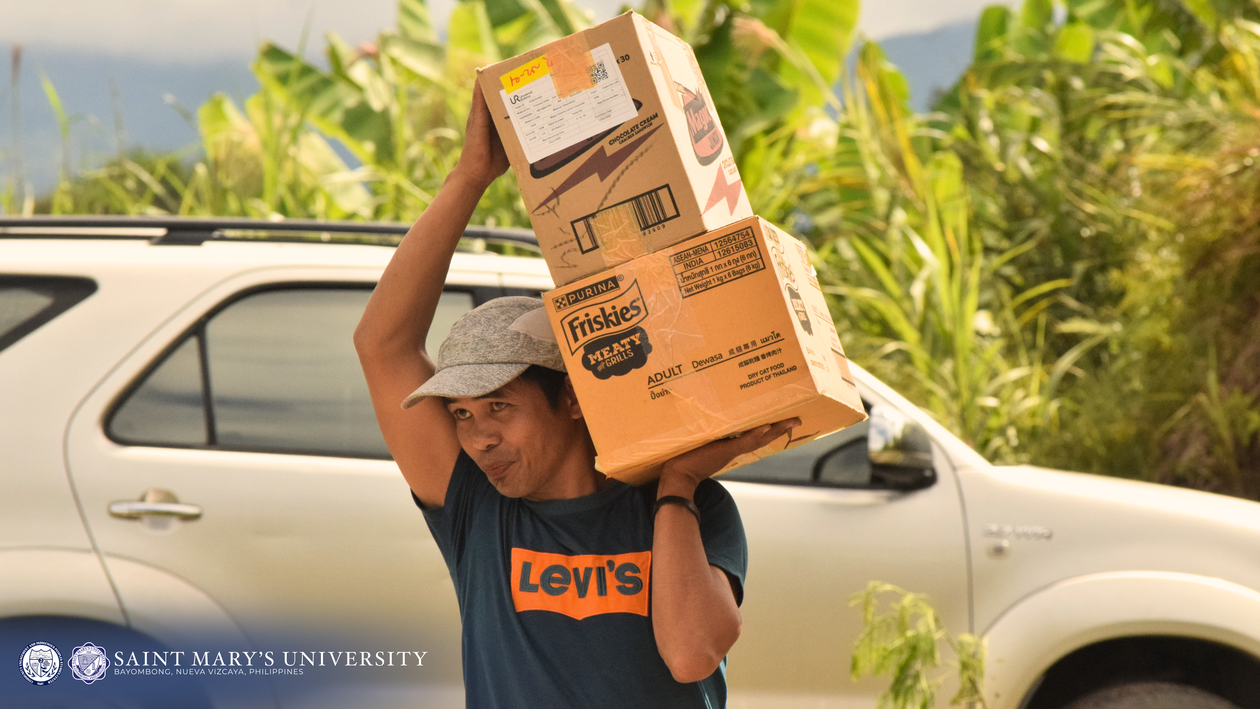
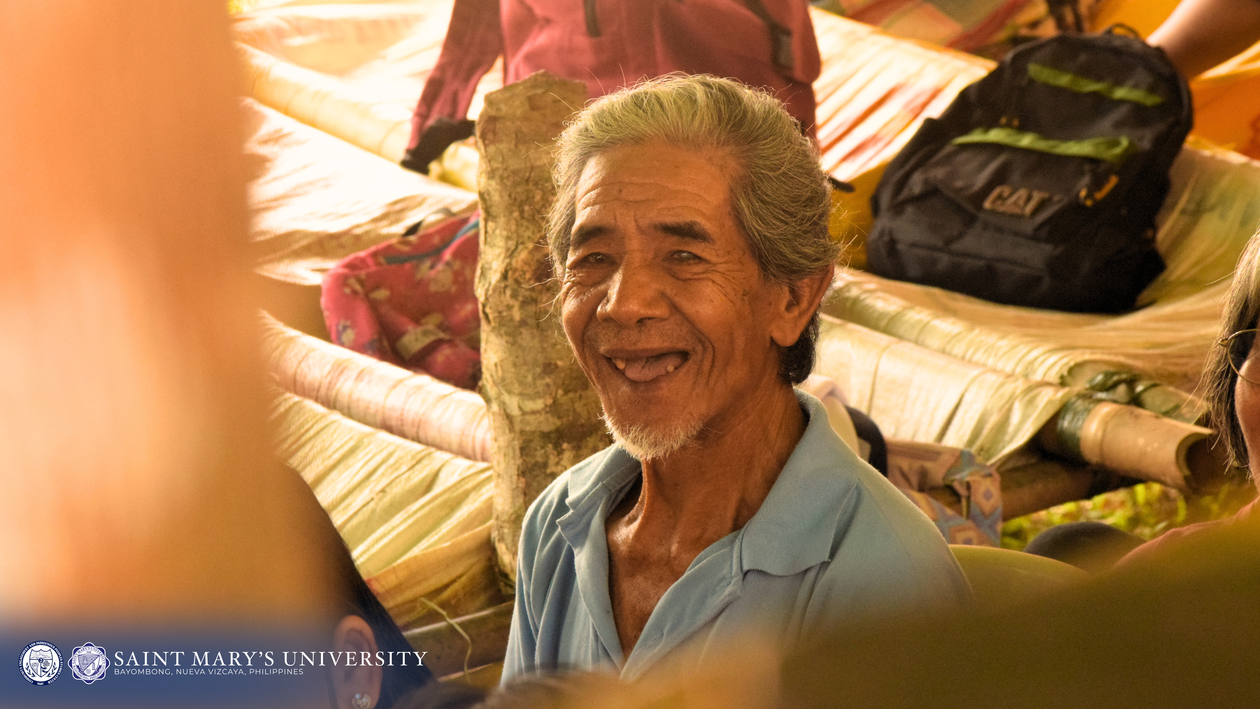
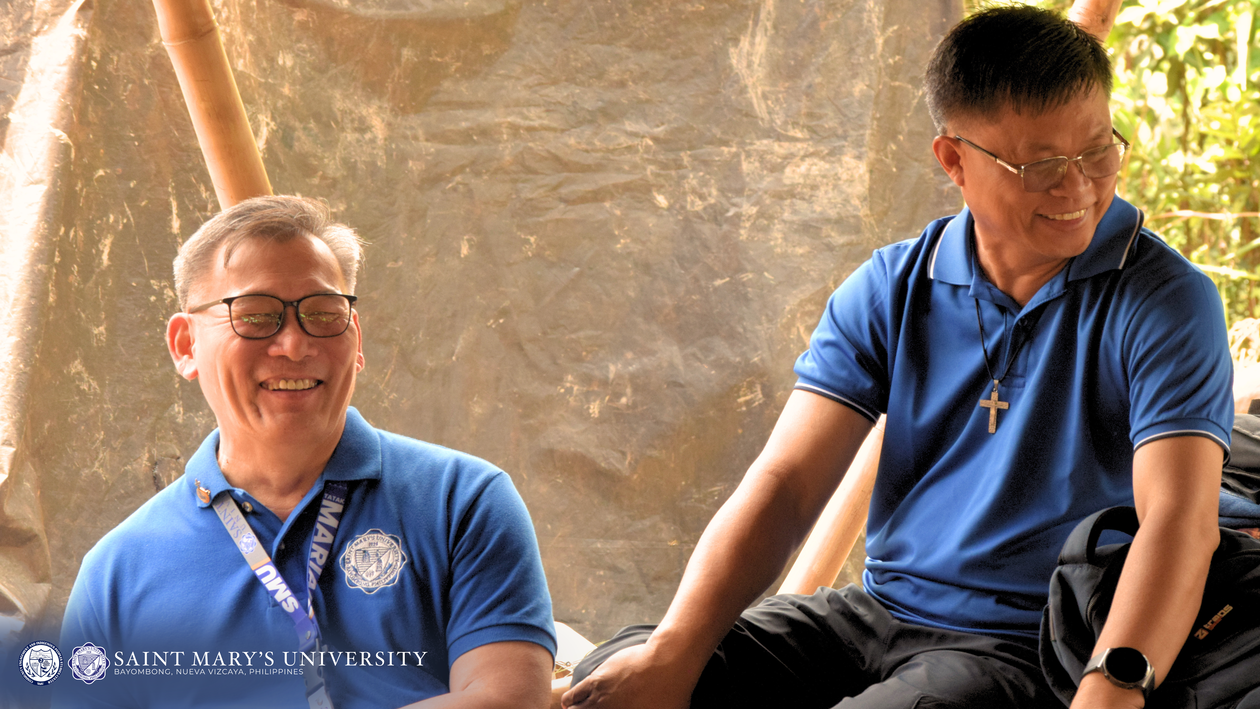
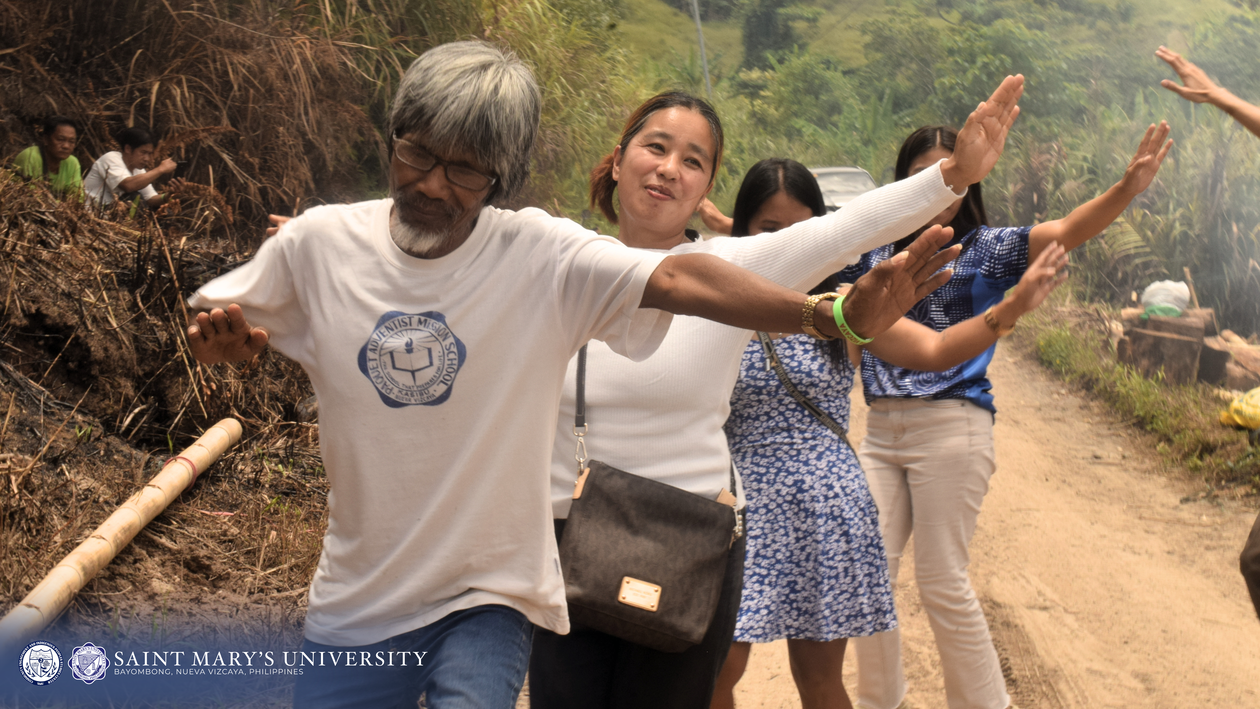
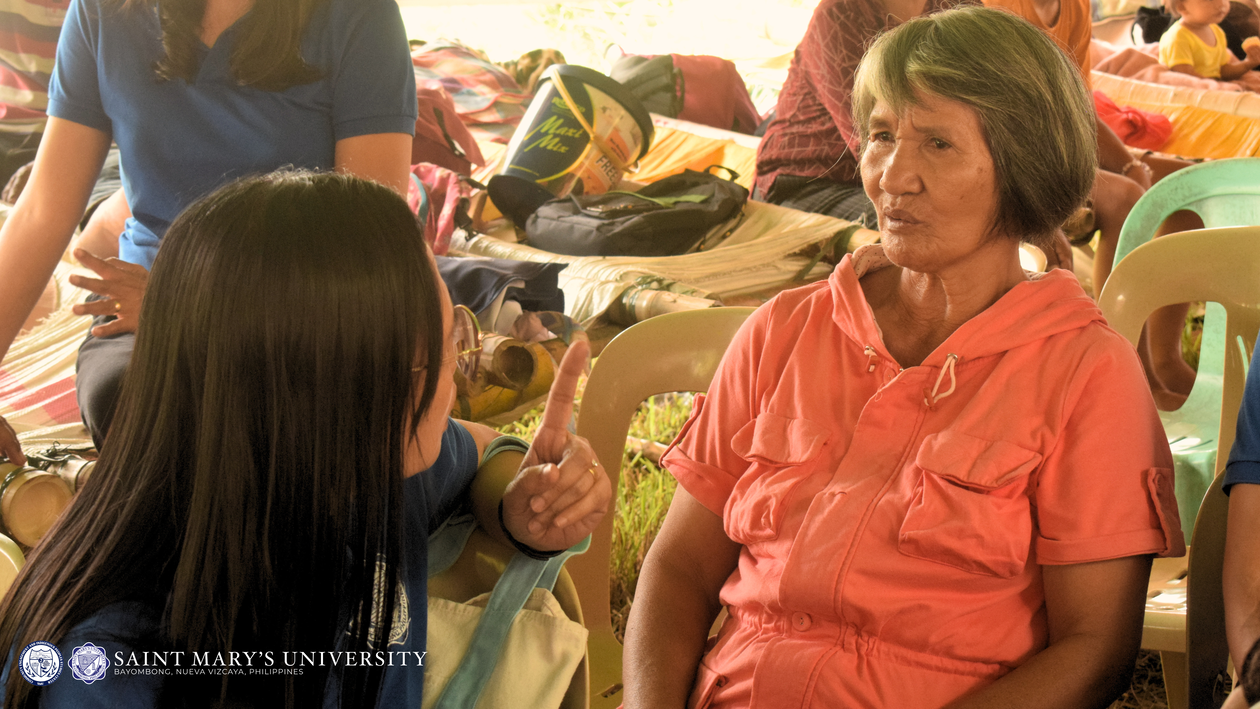
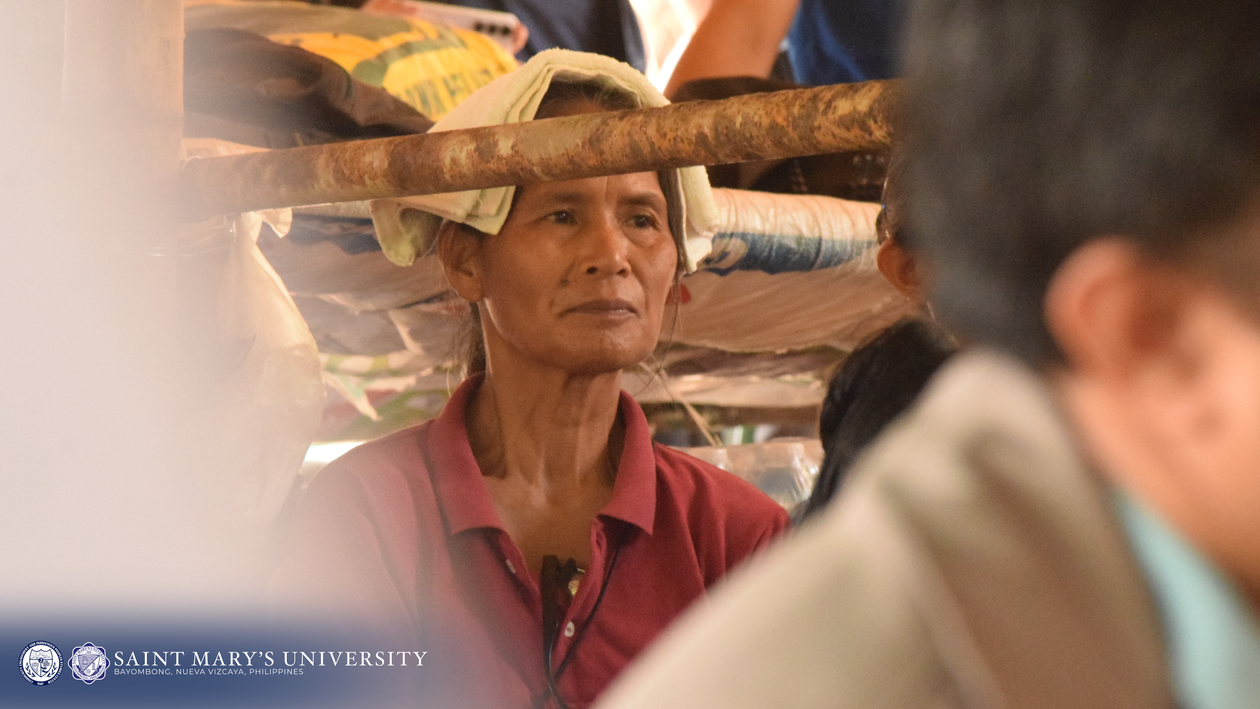
Employees, students, administrators, and members of the Marian community traveled to the barricade to deliver donations of food, water, and other essential supplies for residents who have remained steadfast in protecting their communities and the natural resources that sustain their lives.
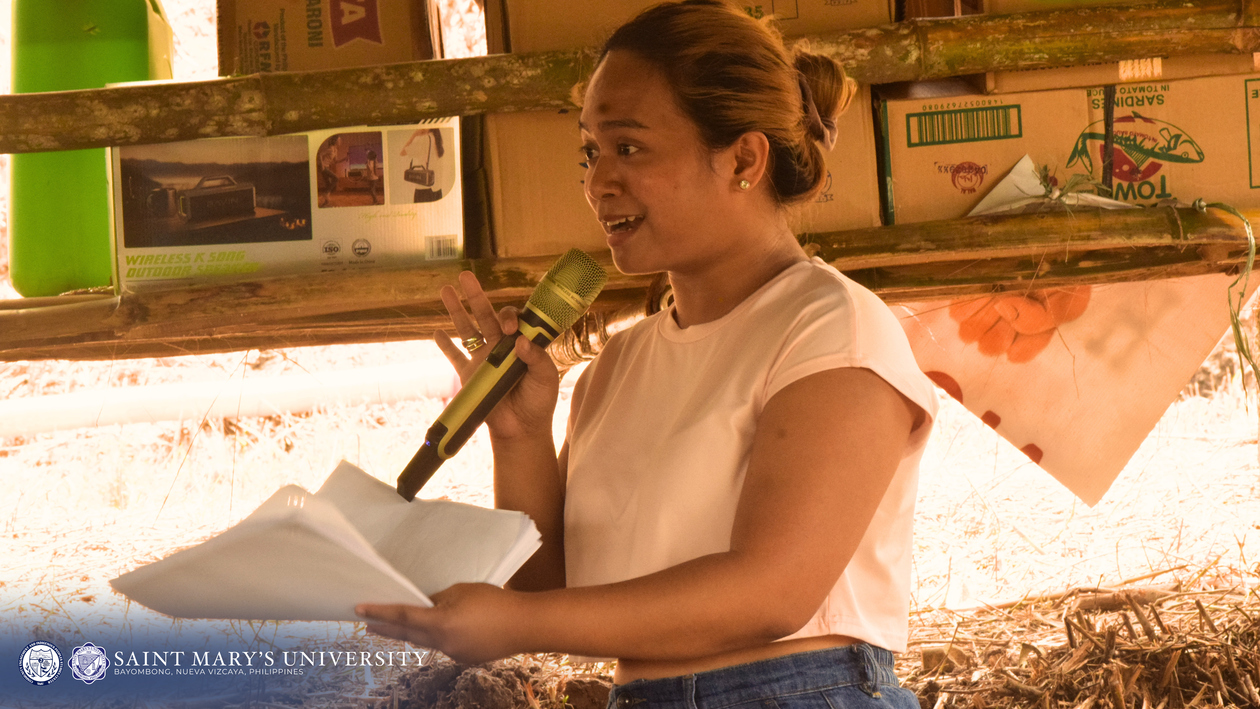
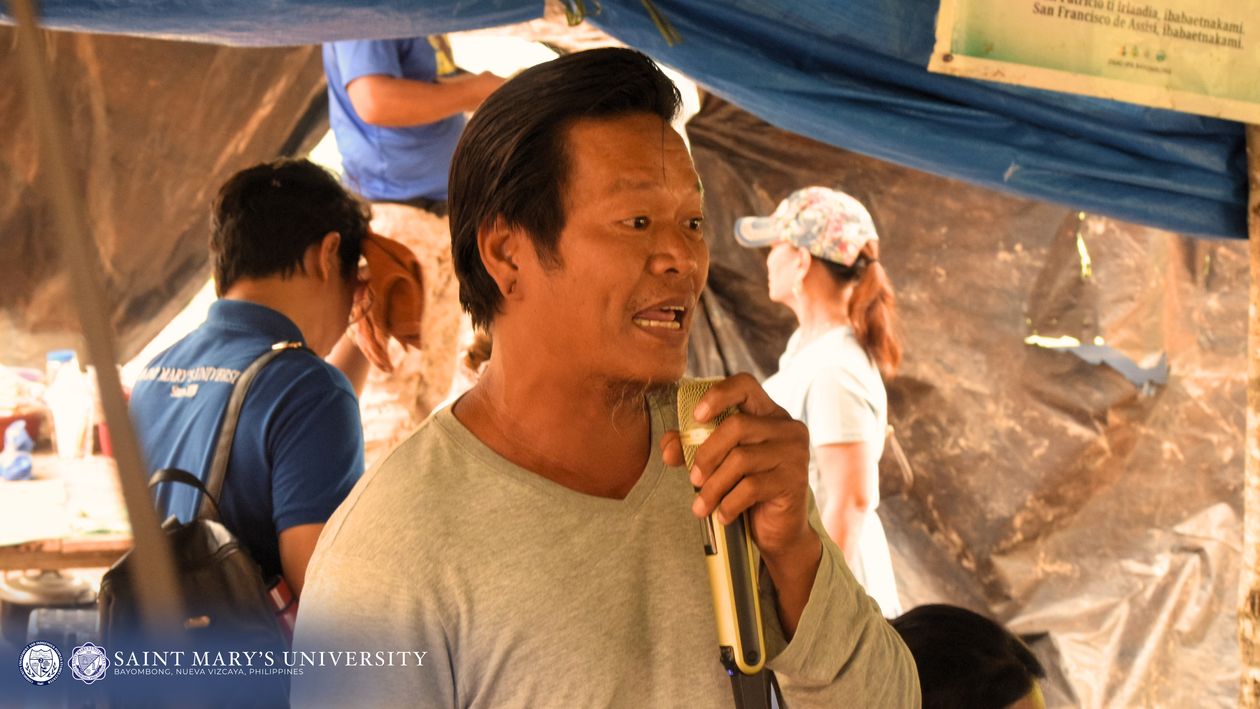
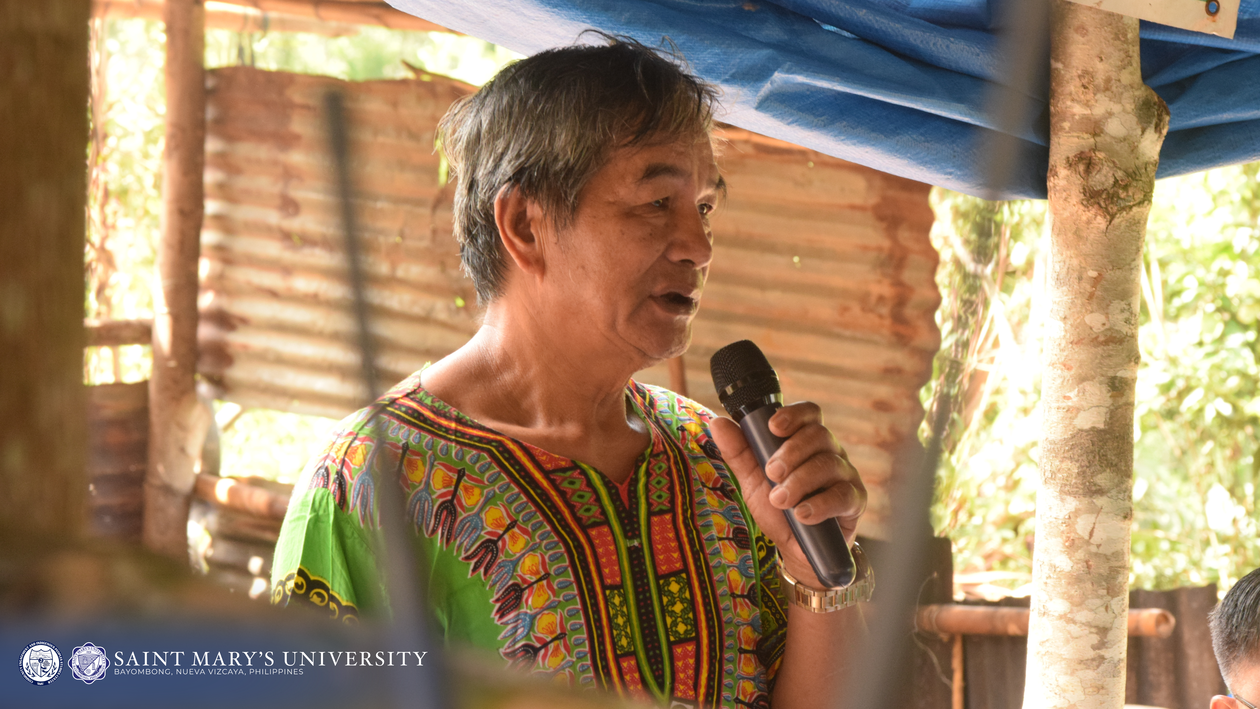
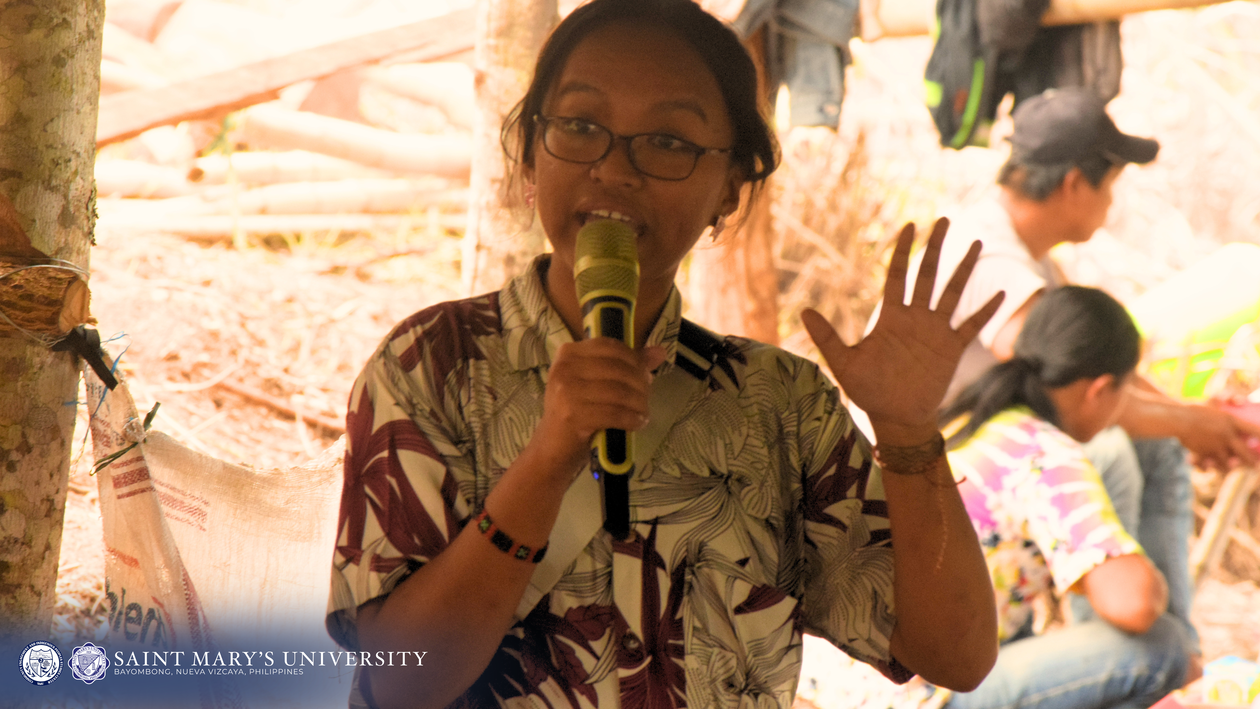
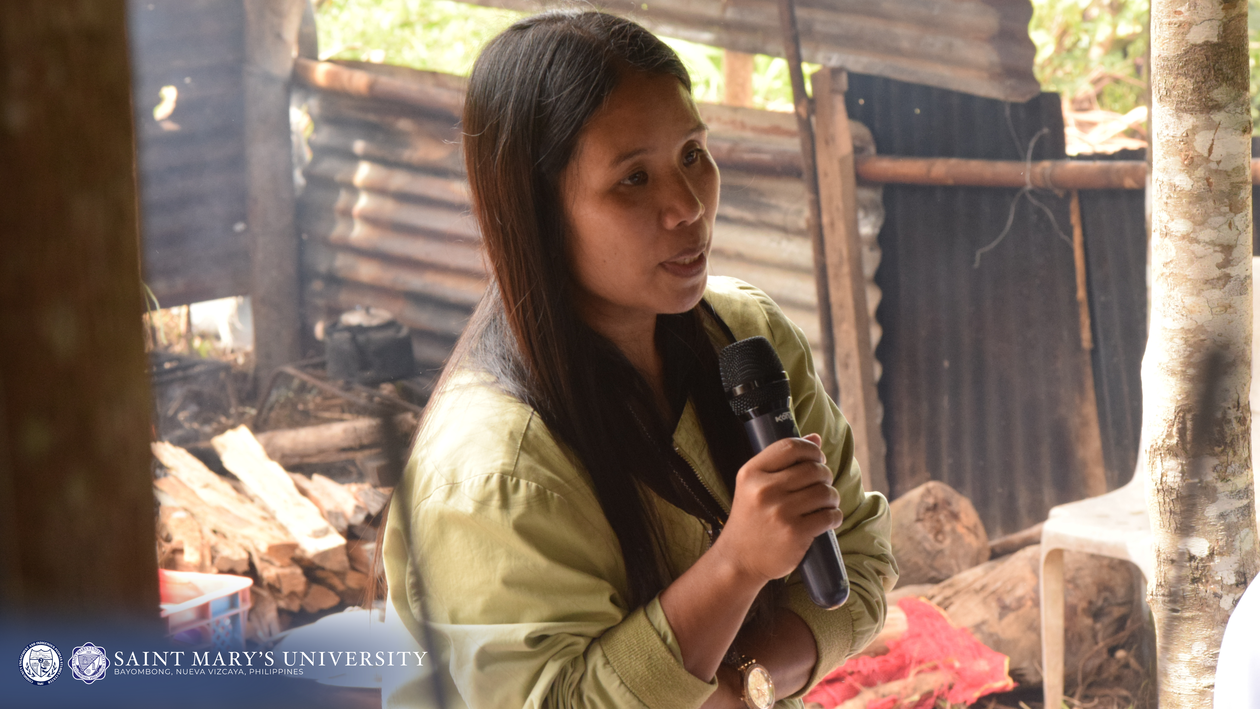
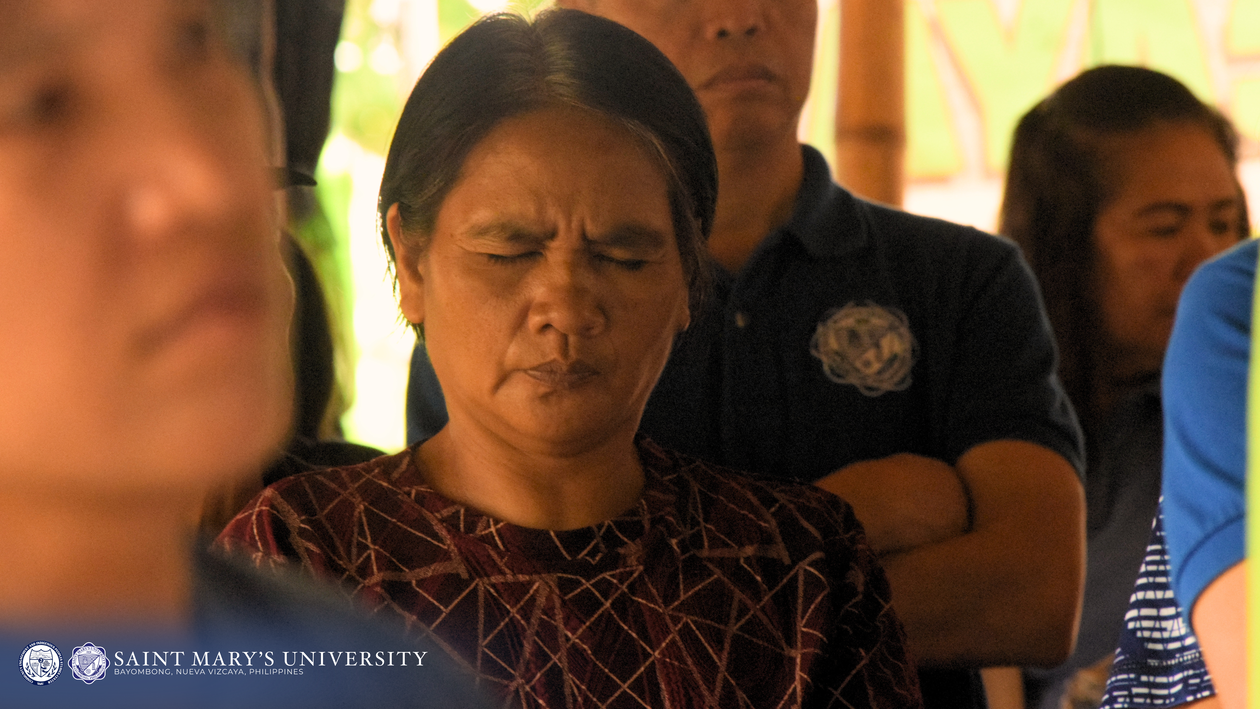
Presided by Rev. Fr. Nemesio Huesca, CICM, the mass featured a shared homily where residents shared messages and spoke about their experiences in the barricades.
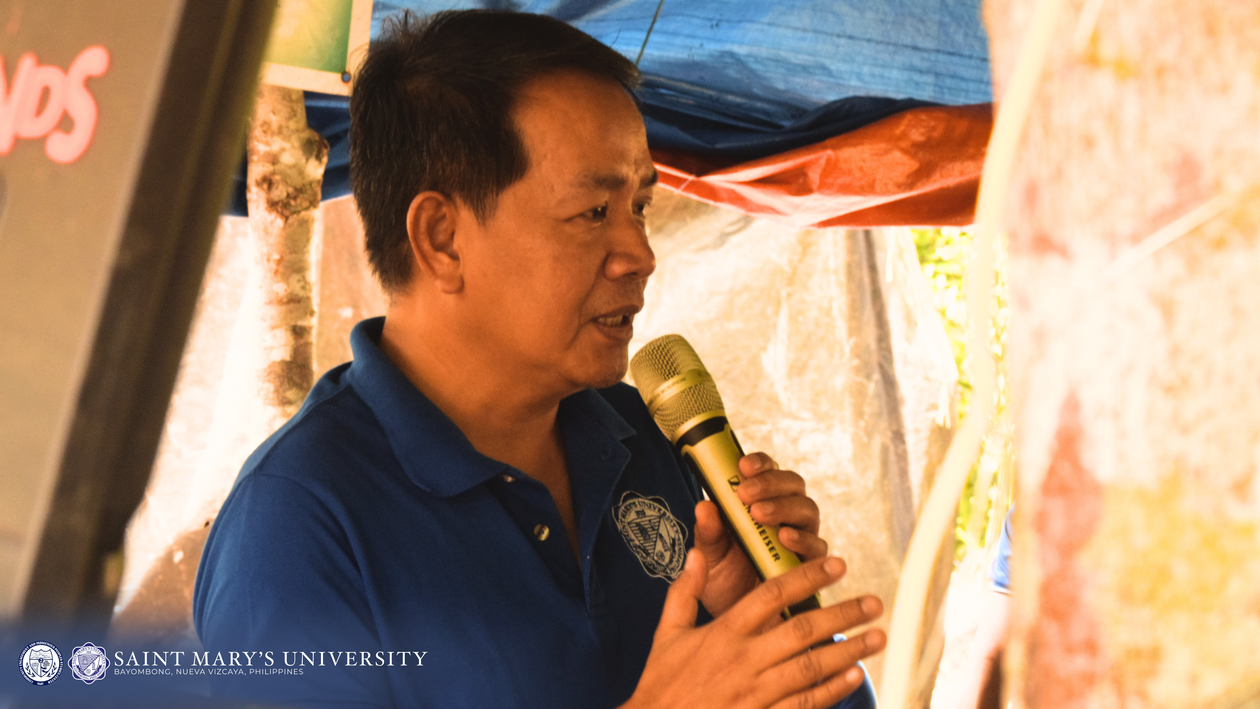
Following the mass, University President Dr. John Octavious Palina underscored the University’s conviction that faith calls Christians to defend the sanctity of life in all its forms, including the protection of creation.
“Nakikiisa kami sa inyong pakikipaglaban against mining. So, in solidarity with the local church and with our local friends here in Kasibu, we continually commit ourselves in whatever capacities that we have, to support our advocacies,” Dr. Palina said.
As a Catholic CICM institution, Saint Mary’s University believes that faith demands concrete action in defense of life and creation. The University maintains that large-scale mining which endangers watersheds, forests, biodiversity, Indigenous Peoples’ ancestral domains, and the well-being of communities, is fundamentally incompatible with the principles of Laudato Si, integral ecology, environmental justice, and sustainable development. No promise of economic progress can justify the irreversible destruction of ecosystems, the displacement of communities, or the erosion of cultural heritage.
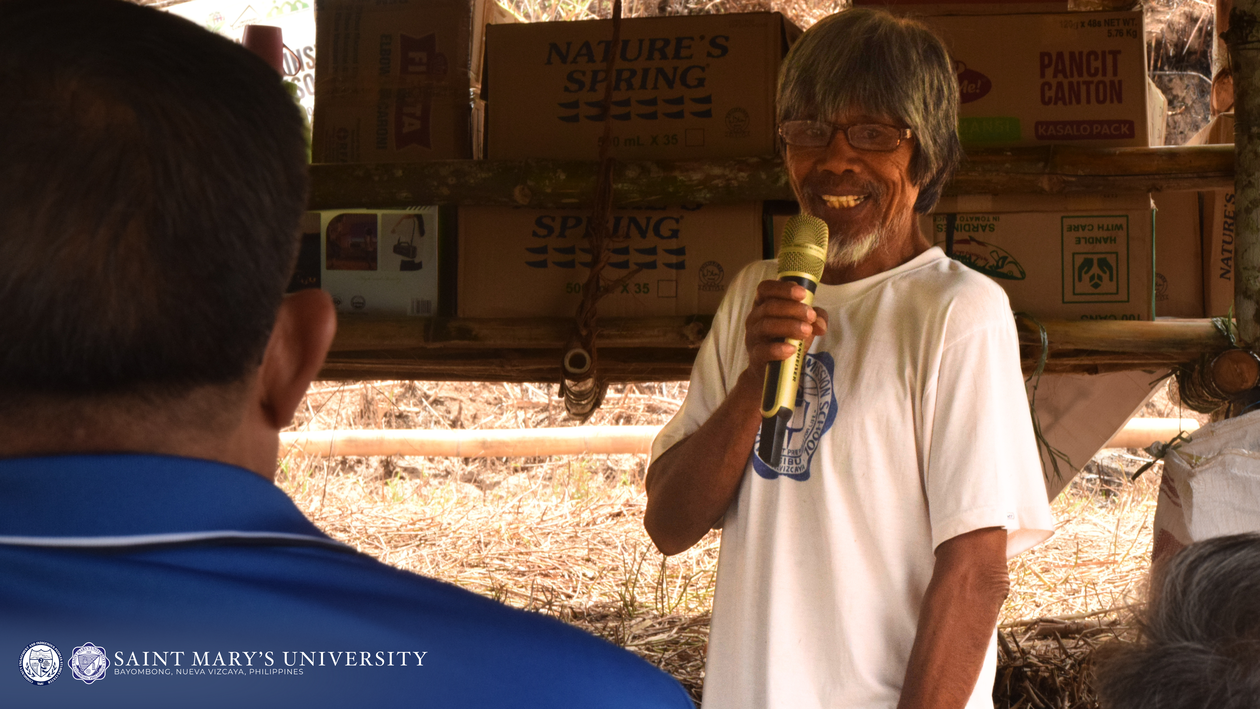
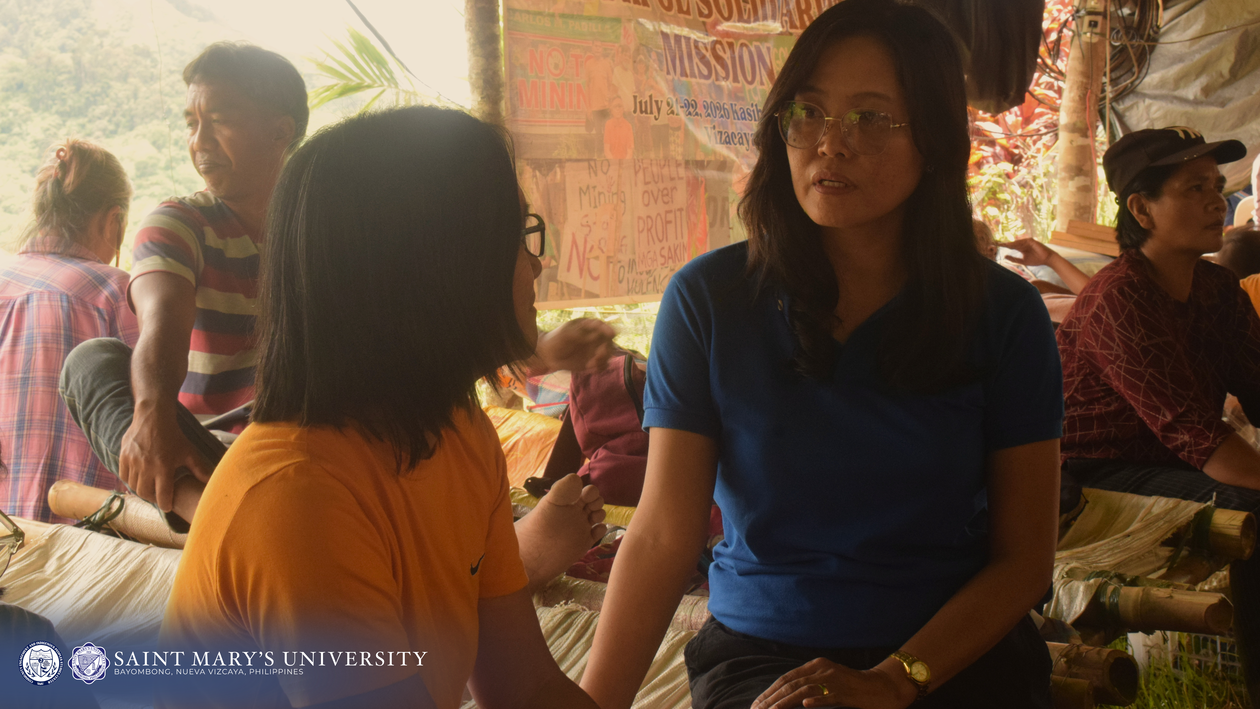
The gathering also served as a venue to deepen public understanding of the issues surrounding mining. Representatives from Alyansa ng Novo Vizcayanos para sa Kalikasan (ANVIK) discussed the implications of the proposed Pax Silica initiative, emphasizing that while the project is presented as part of a global strategy for advancing technology and securing critical mineral supply chains, its costs are borne by local communities through degraded forests, polluted rivers, disrupted watersheds, and the displacement of farming families. More so, Dr. Christopher Allen Marquez, CEIPSC Director, stressed that Nueva Vizcaya, long recognized as the watershed haven of Northern Luzon, must be protected from extractive activities that threaten its ecological integrity and the communities that depend upon it.
Marians also visited the barricade at Bitnong, Dupax De Norte after the program. By joining the people of Kasibu in prayer and solidarity, the Marian community affirmed that the defense of the environment is not an ecological concern but a moral and spiritual responsibility. Standing with communities who peacefully safeguard their land is a concrete expression of the Gospel’s call to uphold justice, defend the vulnerable, and care for our common home.
Saint Mary’s University calls on government agencies, civil society, faith communities, academic institutions, and all people of goodwill to uphold environmental justice, protect the rights of Indigenous Peoples and local communities, and reject development models that sacrifice ecosystems and human dignity for short-term economic gain. The University remains steadfast in accompanying communities through faith, education, and collective action, believing that genuine progress can only be achieved when development respects life, safeguards creation, and promotes the common good.
SDG15: Life on Land
SDG17: Partnership for the Goals