Faith, Culture Unite as Marian Community Culminates IP, Museum Month 2026
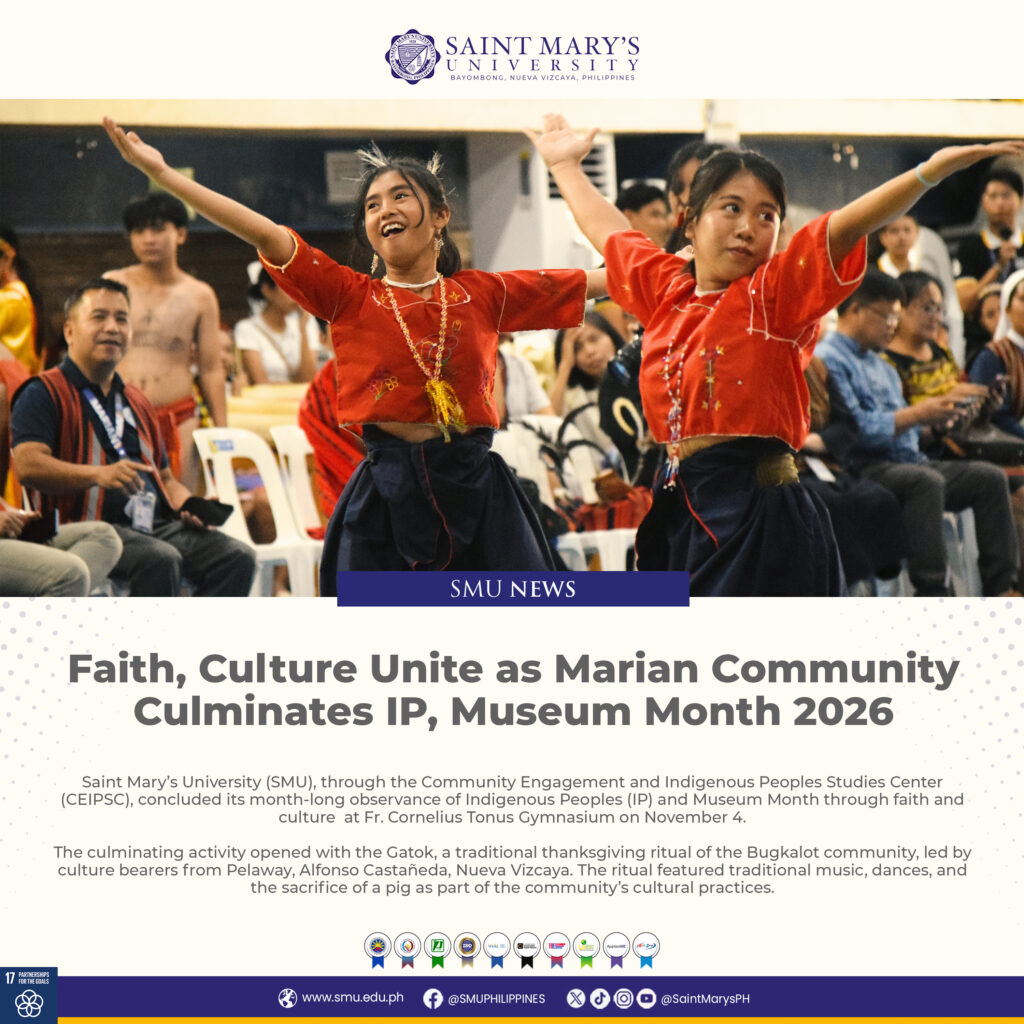
Saint Mary’s University (SMU), through the Community Engagement and Indigenous Peoples Studies Center (CEIPSC), concluded its month-long observance of Indigenous Peoples (IP) and Museum Month through faith and culture at Fr. Cornelius Tonus Gymnasium on November 4.
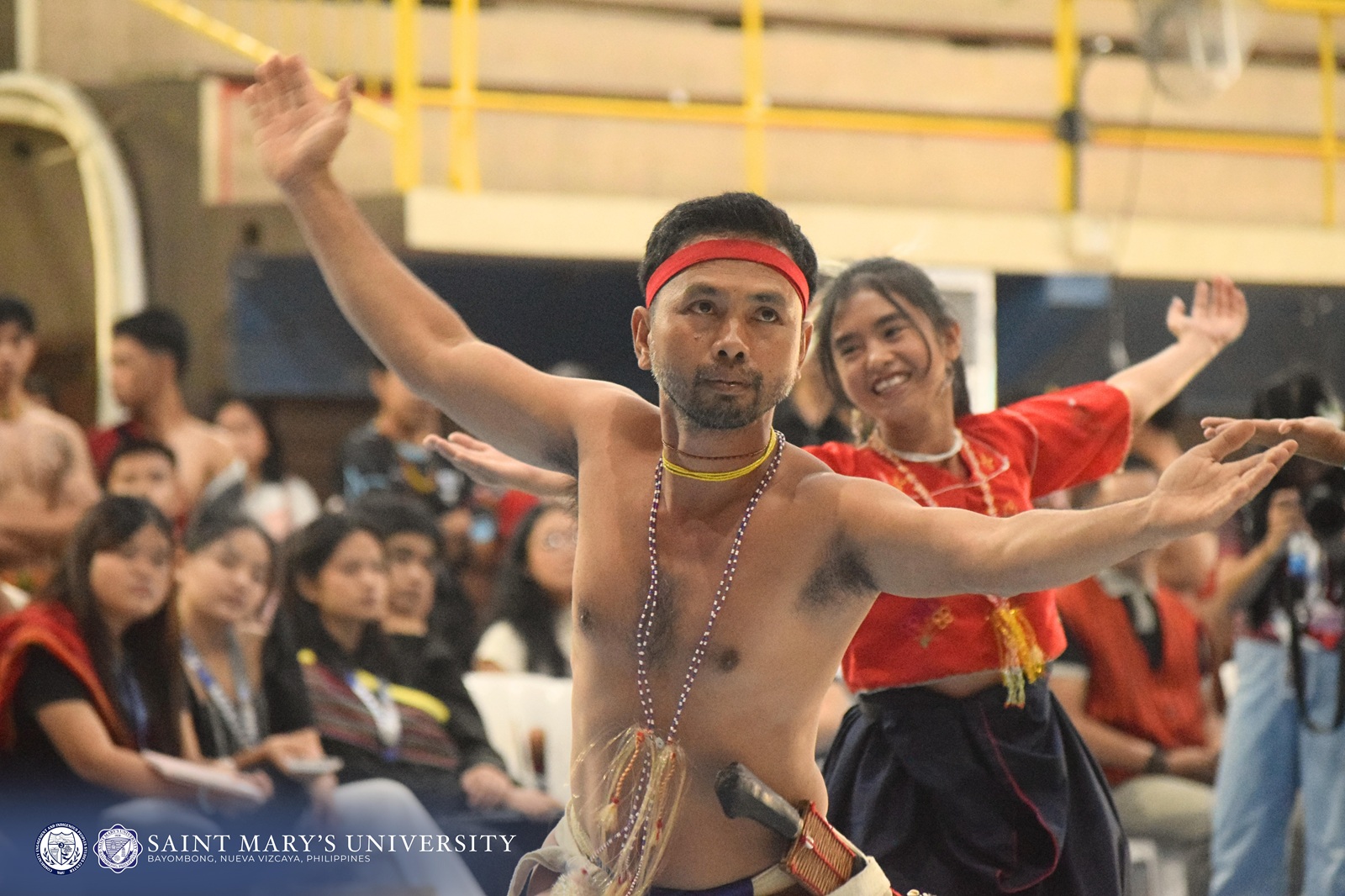
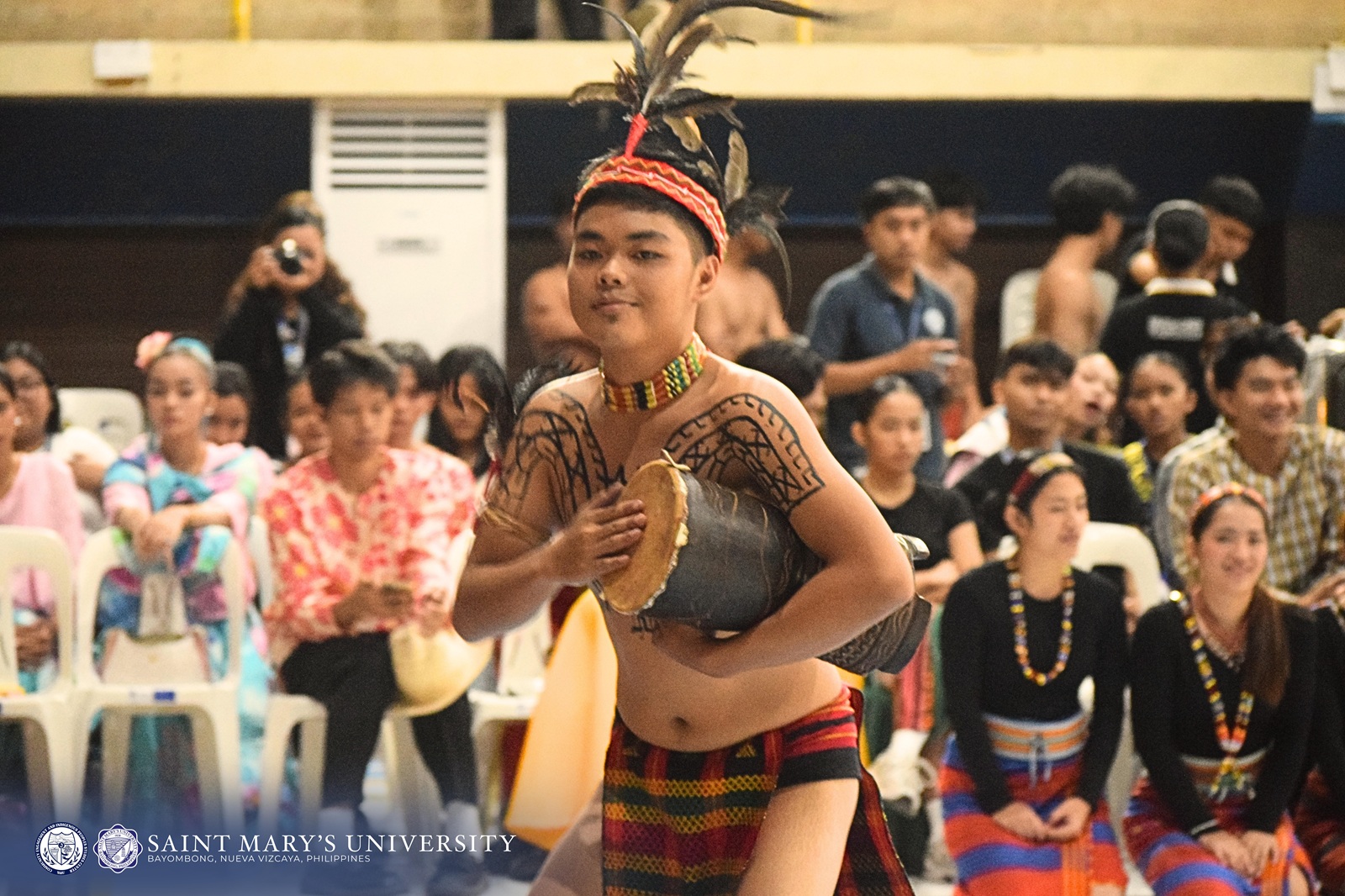
The culminating activity opened with the Gatok, a traditional thanksgiving ritual of the Bugkalot community, led by culture bearers from Pelaway, Alfonso Castañeda, Nueva Vizcaya. The ritual featured traditional music, dances, and the sacrifice of a pig as part of the community’s cultural practices.
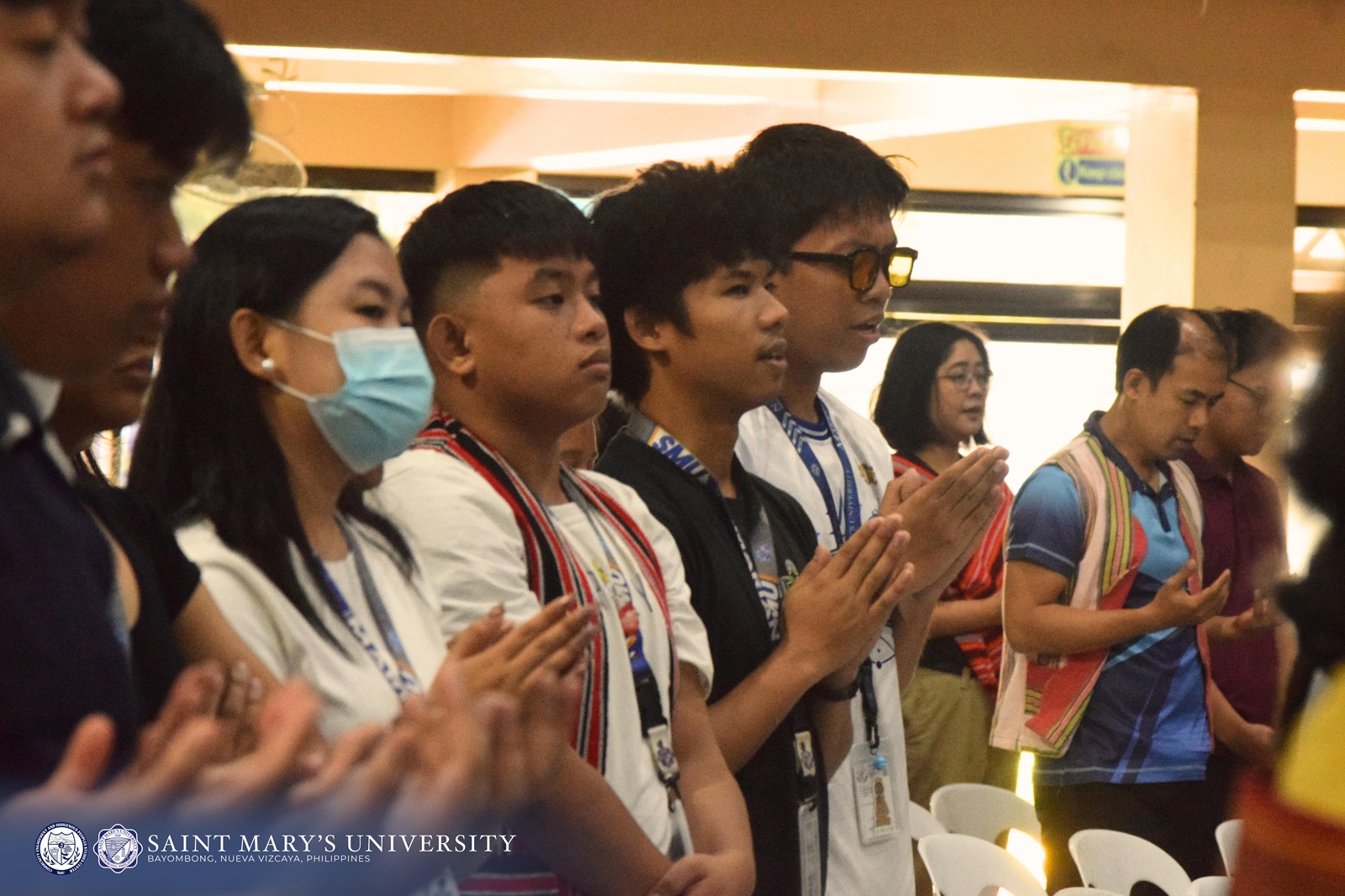
A Eucharistic celebration followed, presided over by Most Rev. Valentin Dimoc, D.D., Bishop of Bontoc-Lagawe and Vice Chairman of the Catholic Bishops’ Conference of the Philippines Episcopal Commission on Indigenous Peoples (CBCP-ECIP), alongside concelebrating priests, including Rev. Fr. Earl Antoine Alan Cura, CICM (CICM Liaison Officer and CBCP-ECIP IP Education Head); Very Rev. Fr. Michael Melanio Reyes, CICM (Vice Provincial Superior and Provincial Treasurer); Rev. Fr. Philip A. Yu Jr., CICM (Vice President for Mission and Identity); Rev. Fr. Nemesio Huesca, CICM (University Chaplain and CCF Director); Rev. Fr. Ramon Caluza, CICM (CICM Consultant on Indigenous Peoples Apostolate); and Rev. Fr. Fernold Denna, CICM (CICM International Formation Community Rector).
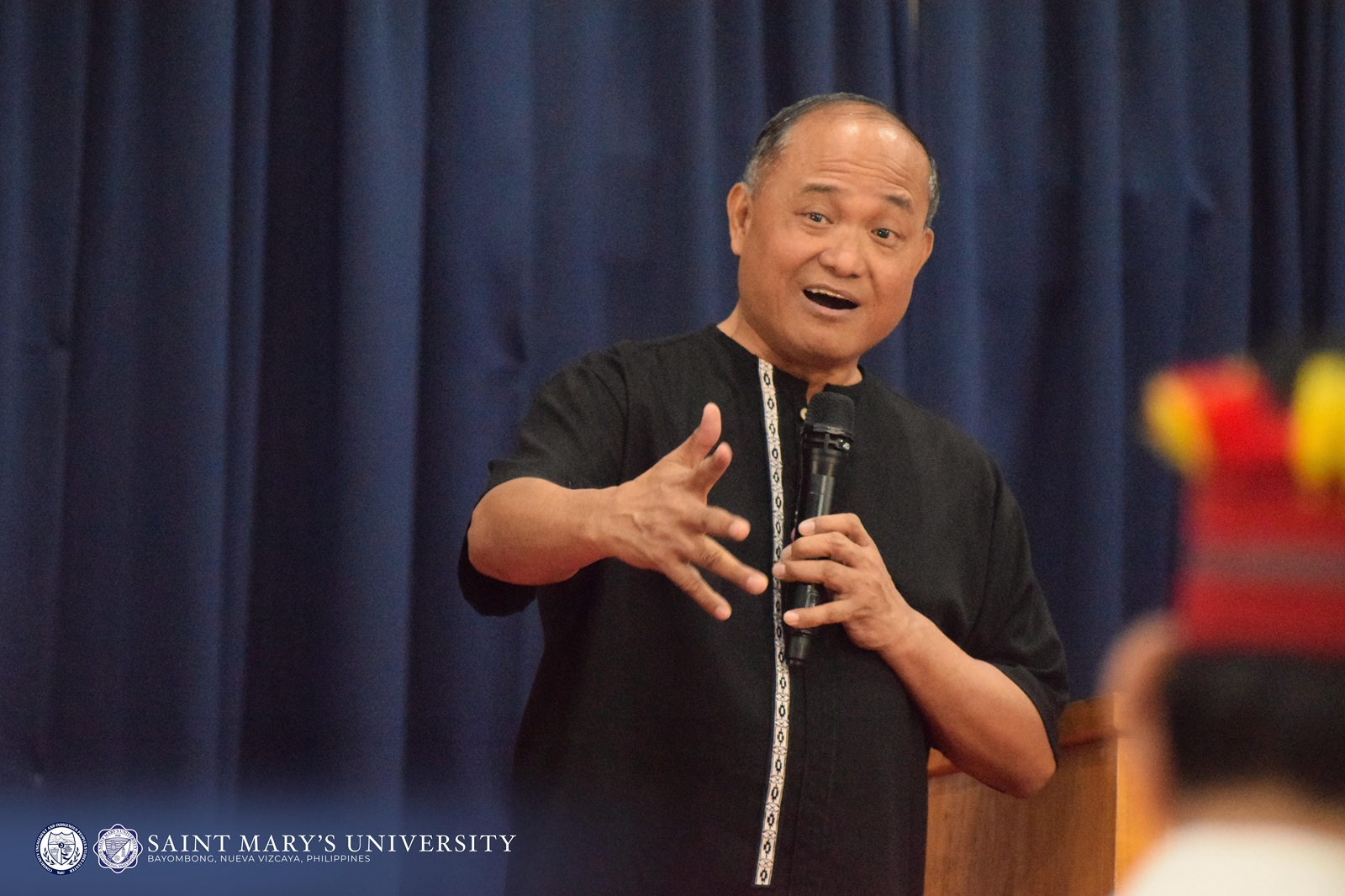
In his homily, Bishop Dimoc reflected on “Katutubong Pamamaraan at Pamumuhay” (Indigenous Ways and Life). He drew a parallel between the earlier Bugkalot animal sacrifice—an act of reverence to the unseen spirits guiding them—and the essence of the Eucharist, where Christ, the Lamb of God, was offered as the ultimate sacrifice.
The prelate also emphasized the valuable lessons indigenous communities offer in environmental protection, especially as economic interests increasingly overshadow ecological concerns. He lamented how modern society often views natural resources merely as sources of profit rather than recognizing their importance in sustaining life.
“When we see a tree or a forest, sometimes we do not see the environmental services [it provides, such as] clean water, [and regulating] the whole climate,” the Bishop noted.
Bishop Dimoc stressed that indigenous identity goes far beyond traditional clothing, textiles, and rituals. “Being indigenous is in the mind and heart, in the way we live, in the way we think, in the way that we make decisions,” he explained.
Challenging the modern concept of progress, the Bishop pointed out that technologically advanced societies often suffer heavy environmental costs and carbon footprints. He argued that indigenous communities, who live simply and maintain a balanced relationship with nature, represent true advancement.
“If [a balanced] environment is the measure of this life, then the indigenous people, especially those who live a very simple life, are advanced in their way of life,” he stated.
Before the final blessing, Fr. Cura delivered a message of gratitude. He thanked the visiting guests, including National Commission for Culture and the Arts (NCCA) Chairperson and Executive Director Dr. Eric Zerrudo; CBCP-ECIP Executive Secretary Tony Abuso; and close ECIP collaborators such as Department of Education Youth Formation Expert Red Salonga and Dr. Aly de Ocampo of the University of the Philippines-PGH. He also acknowledged media partners CBCP News and Radio Veritas 846, the culture bearers, and the entire Marian Community for a meaningful and successful celebration.
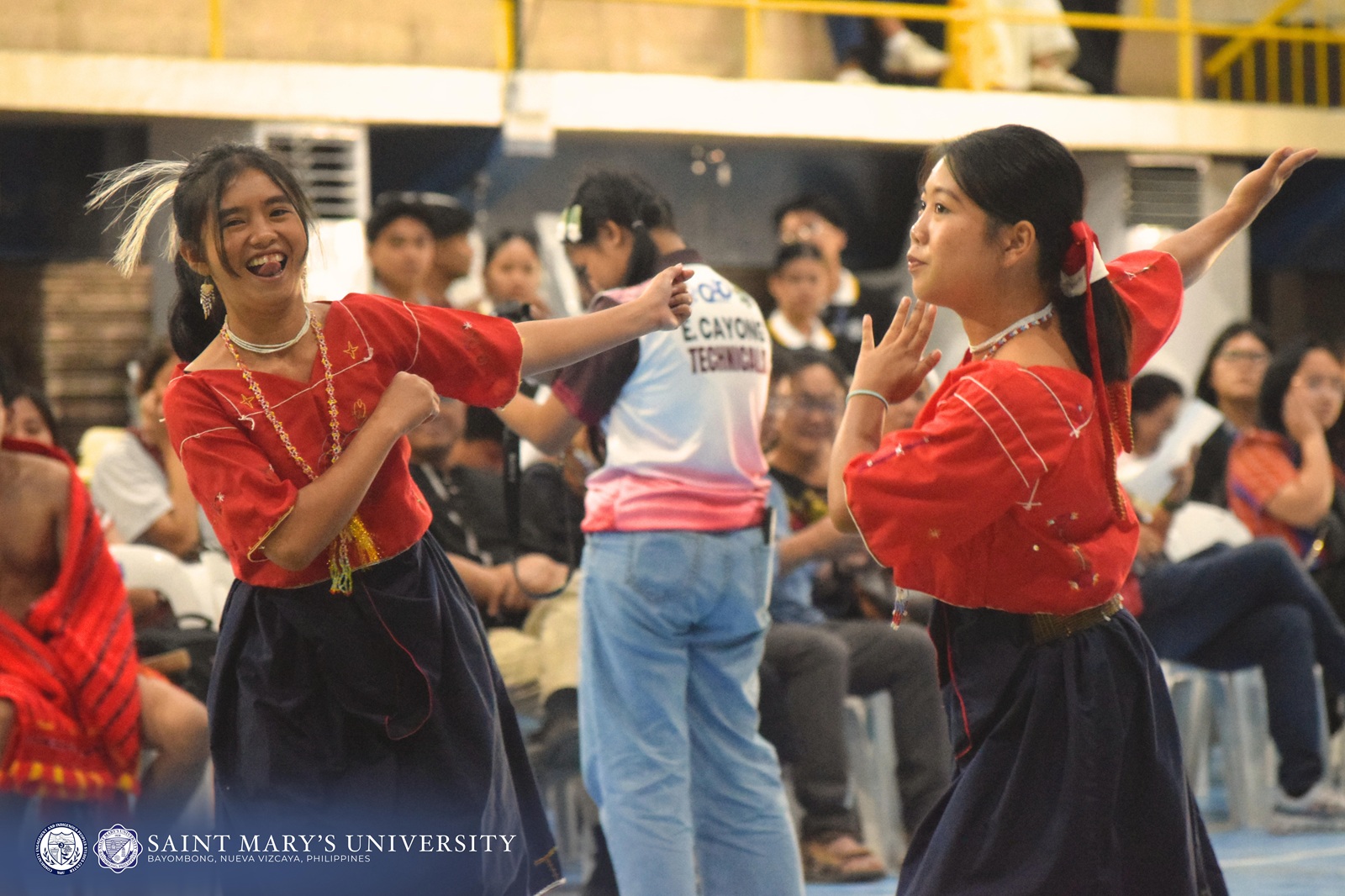
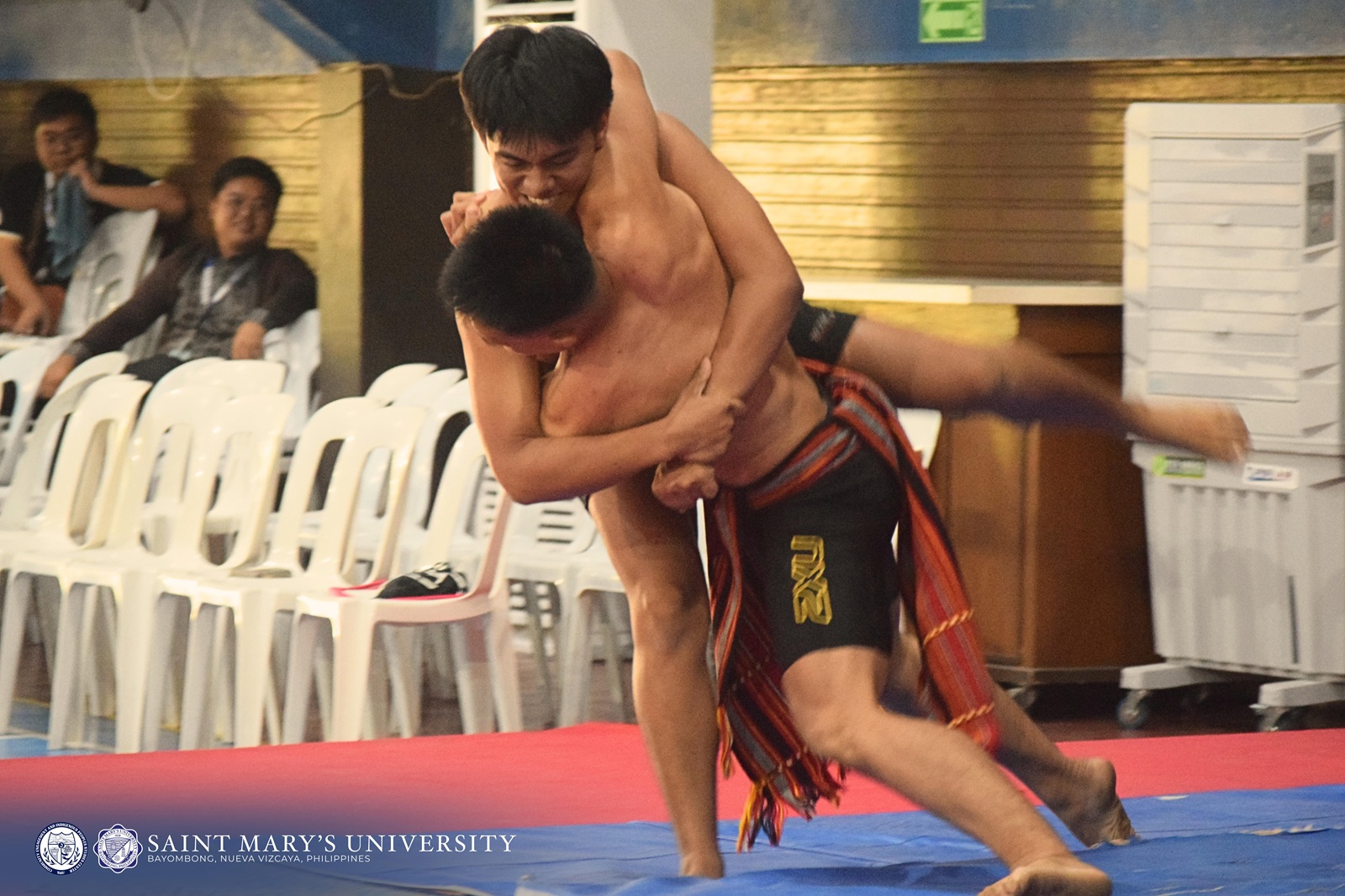
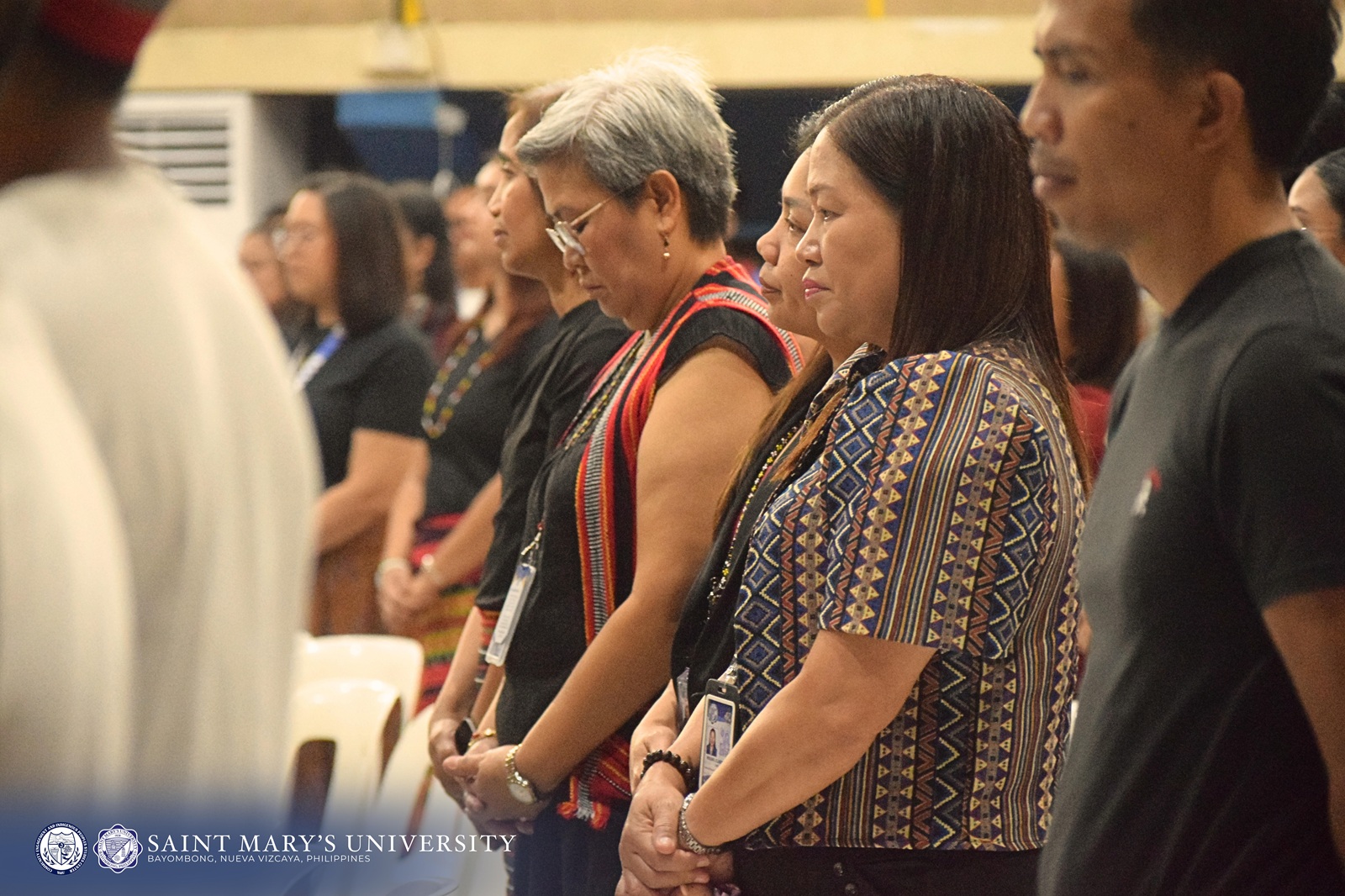
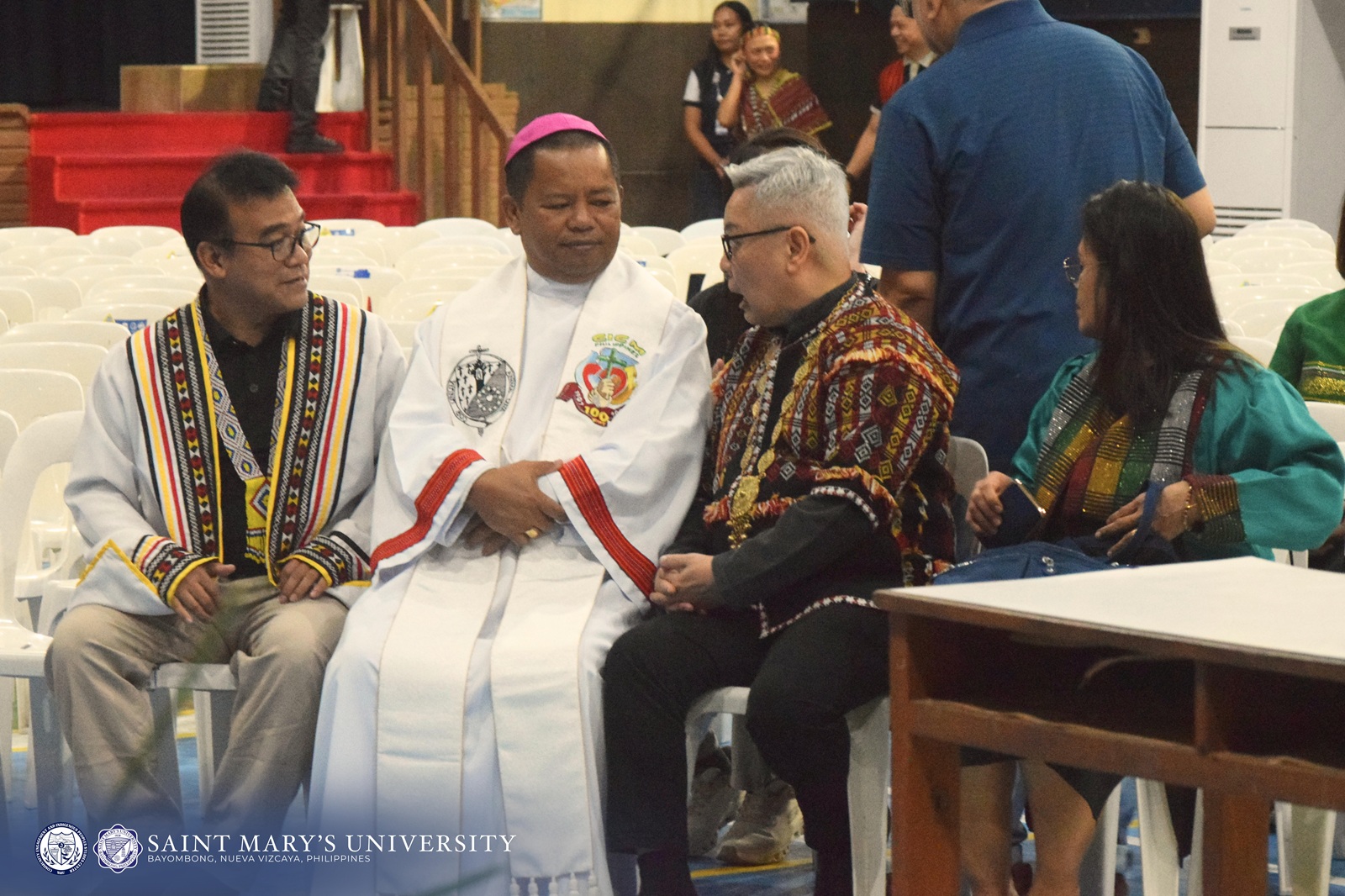
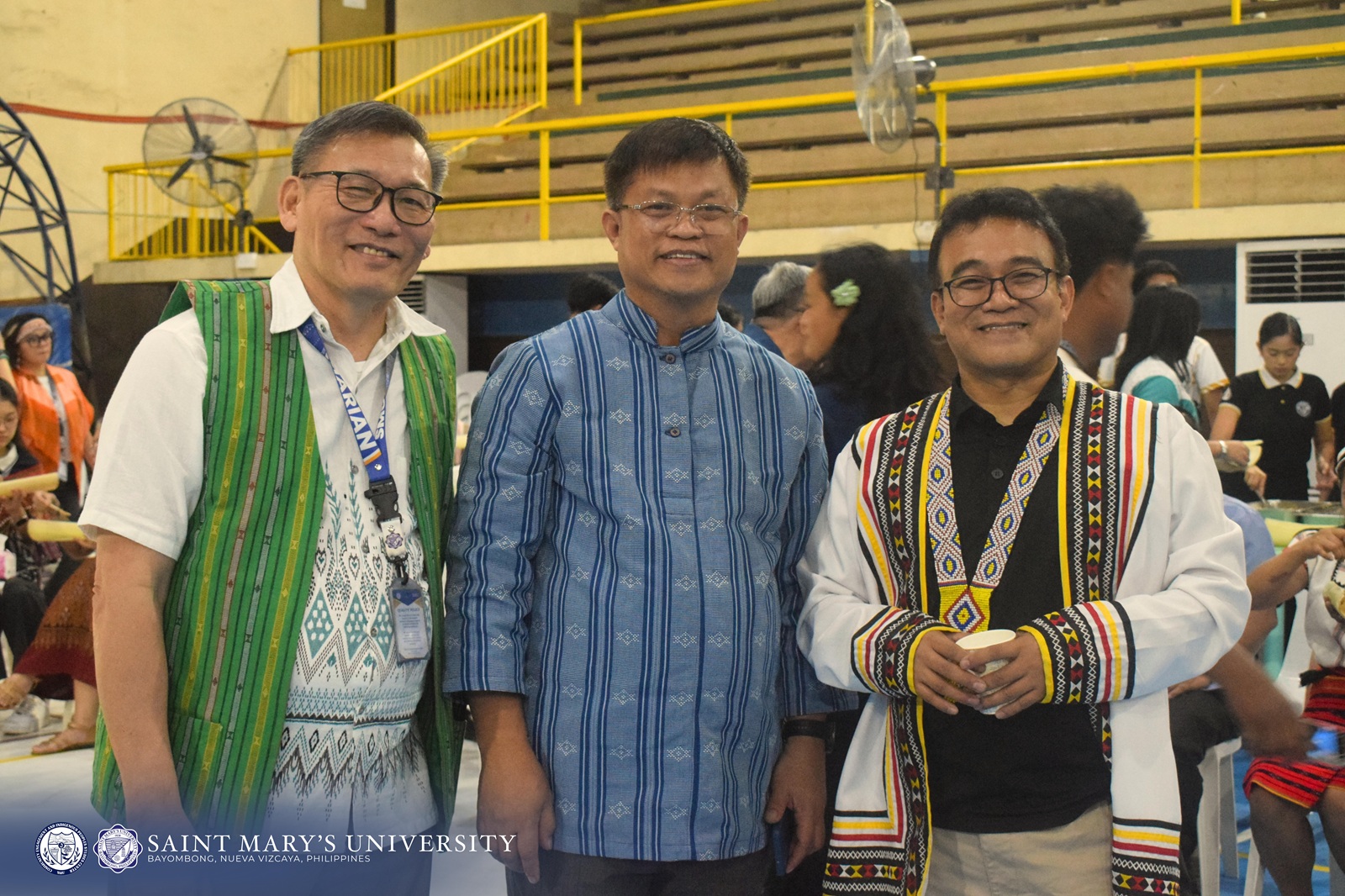
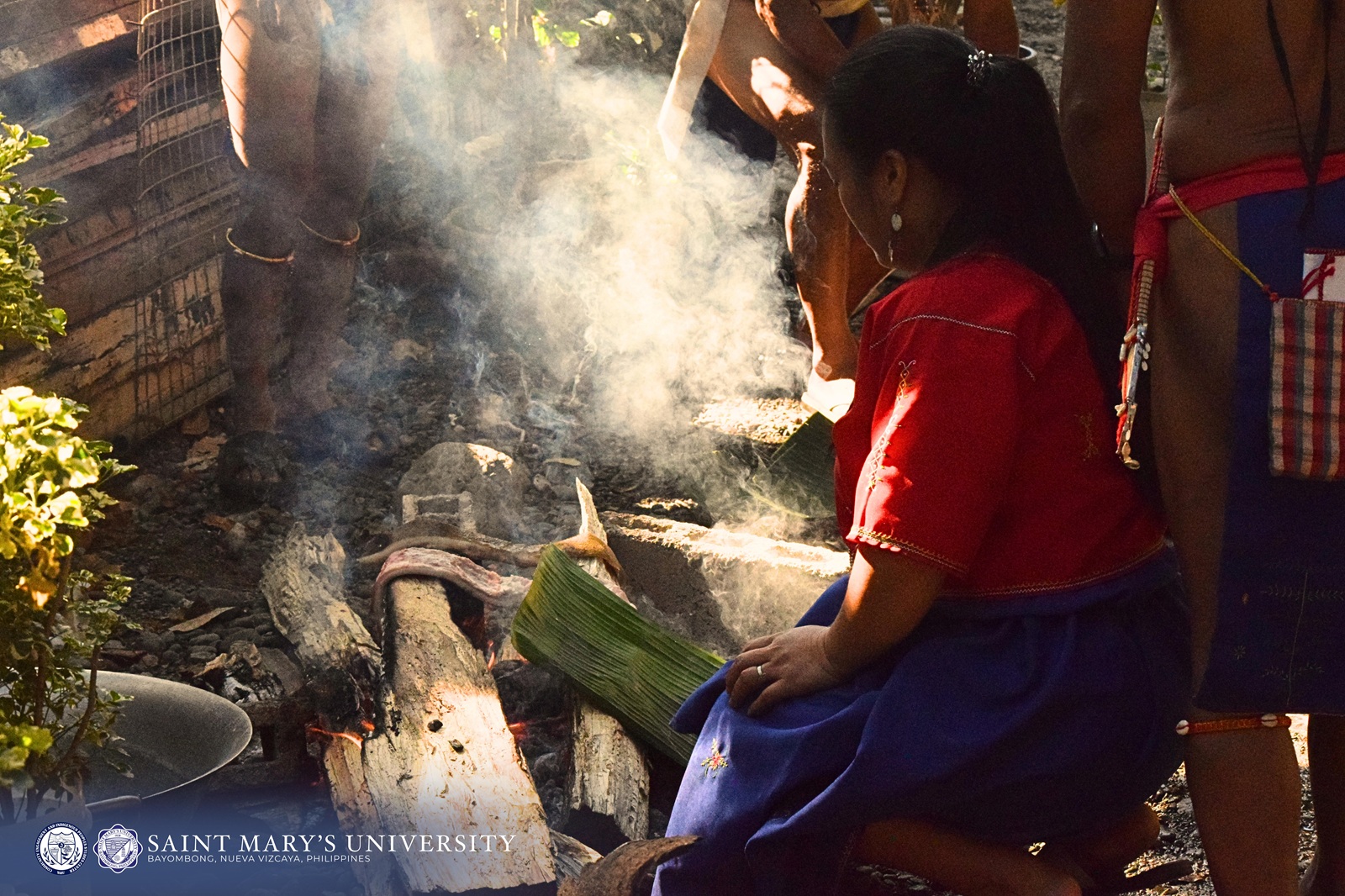
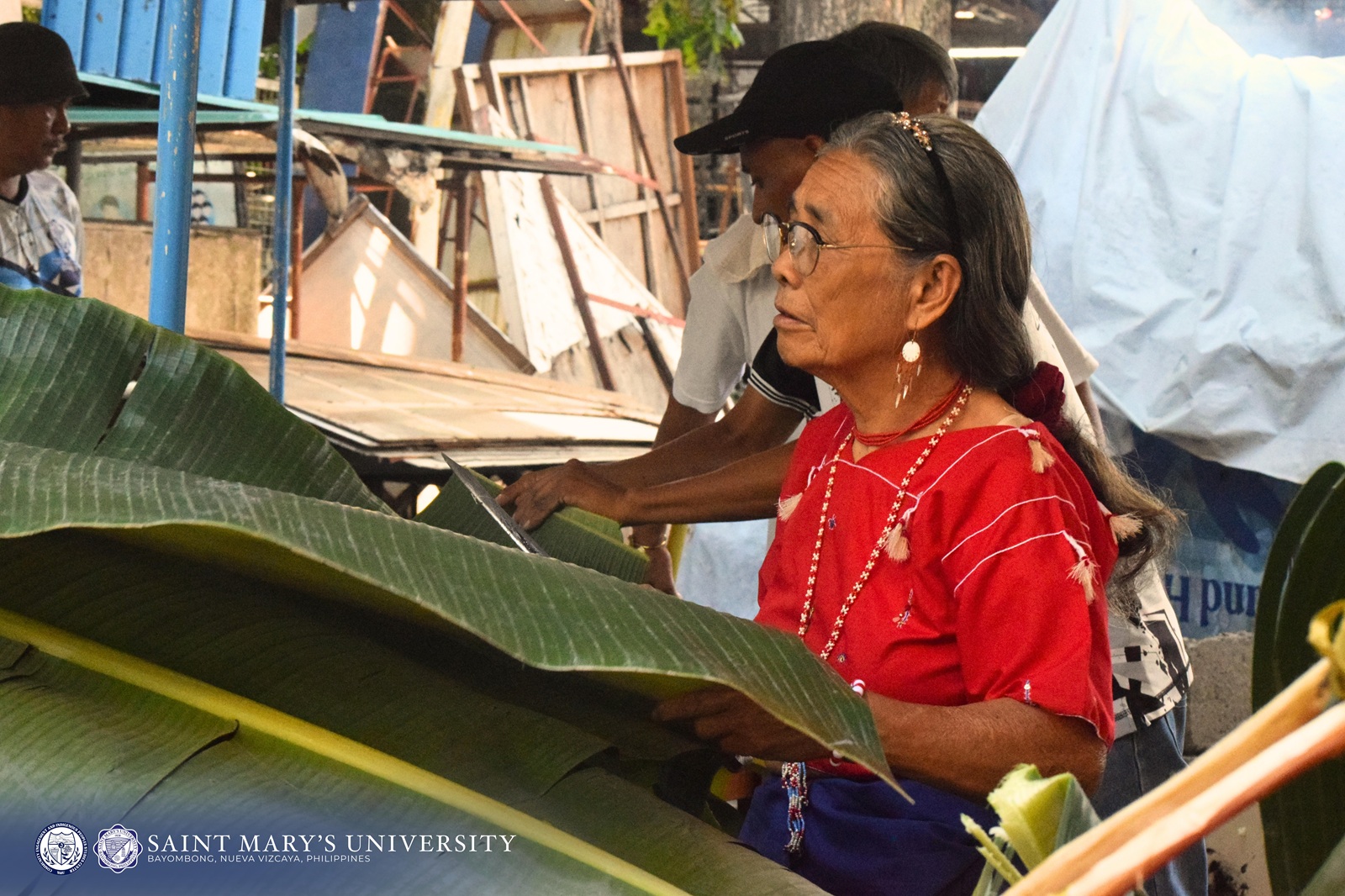
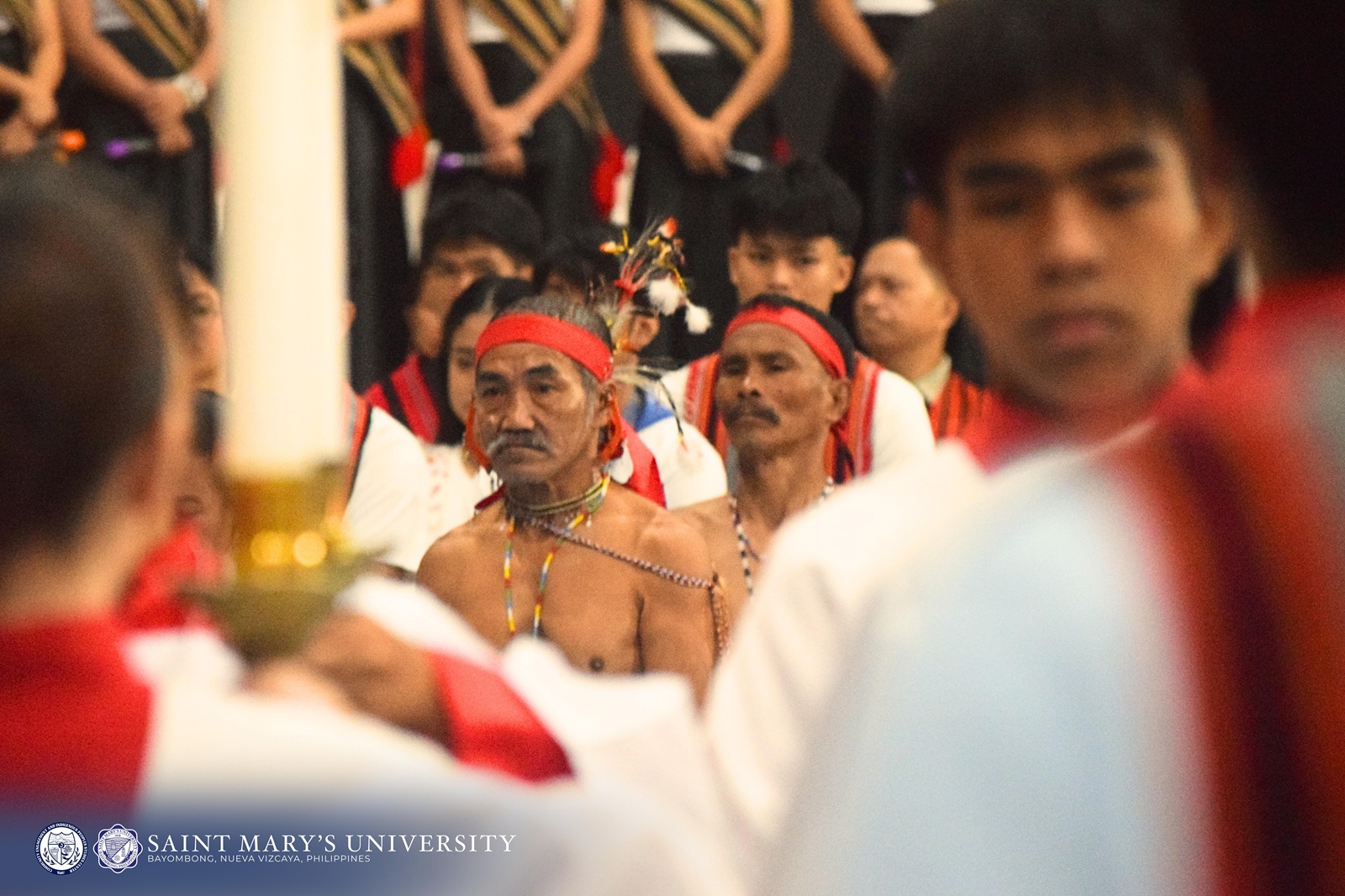
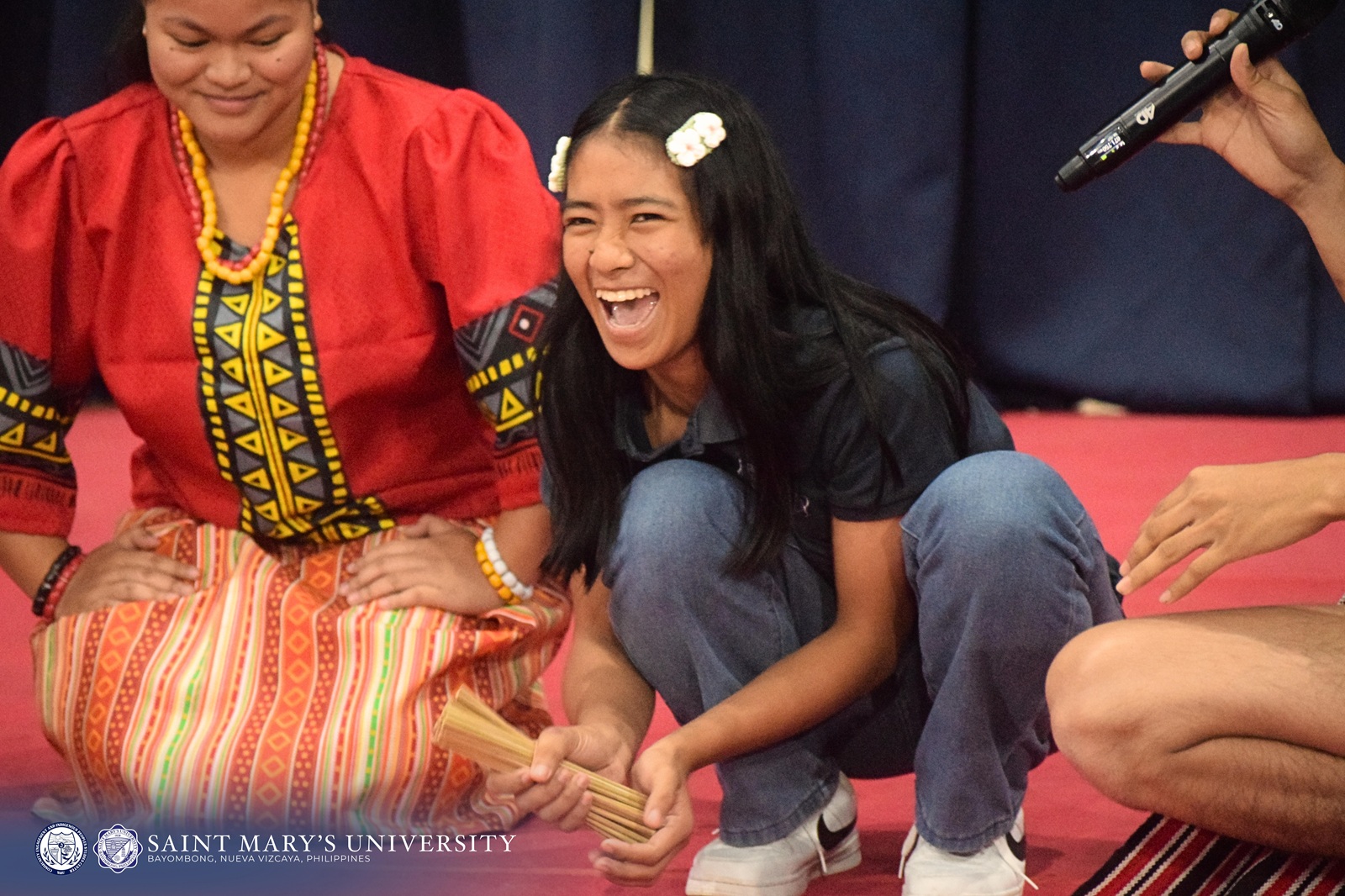
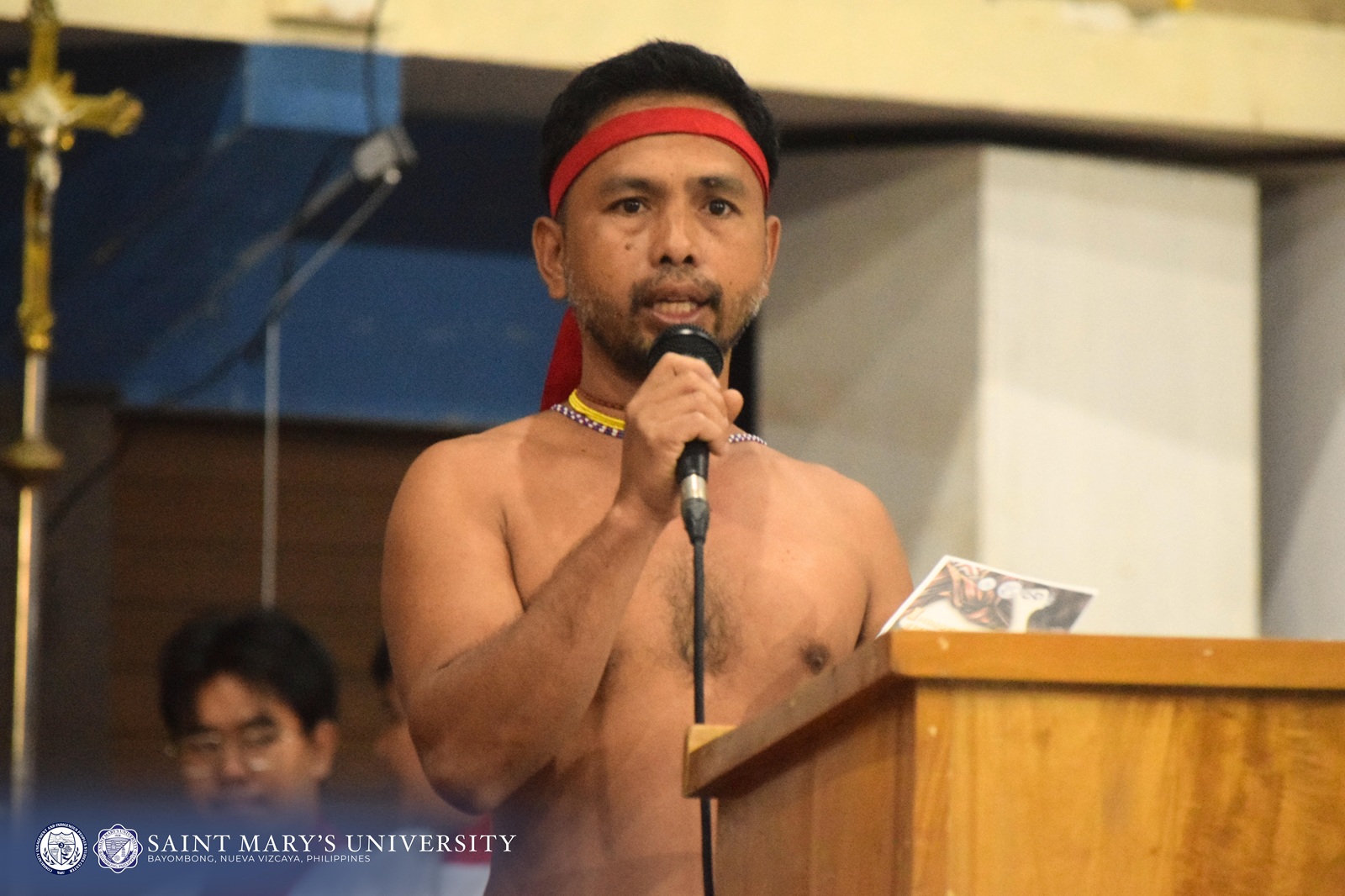
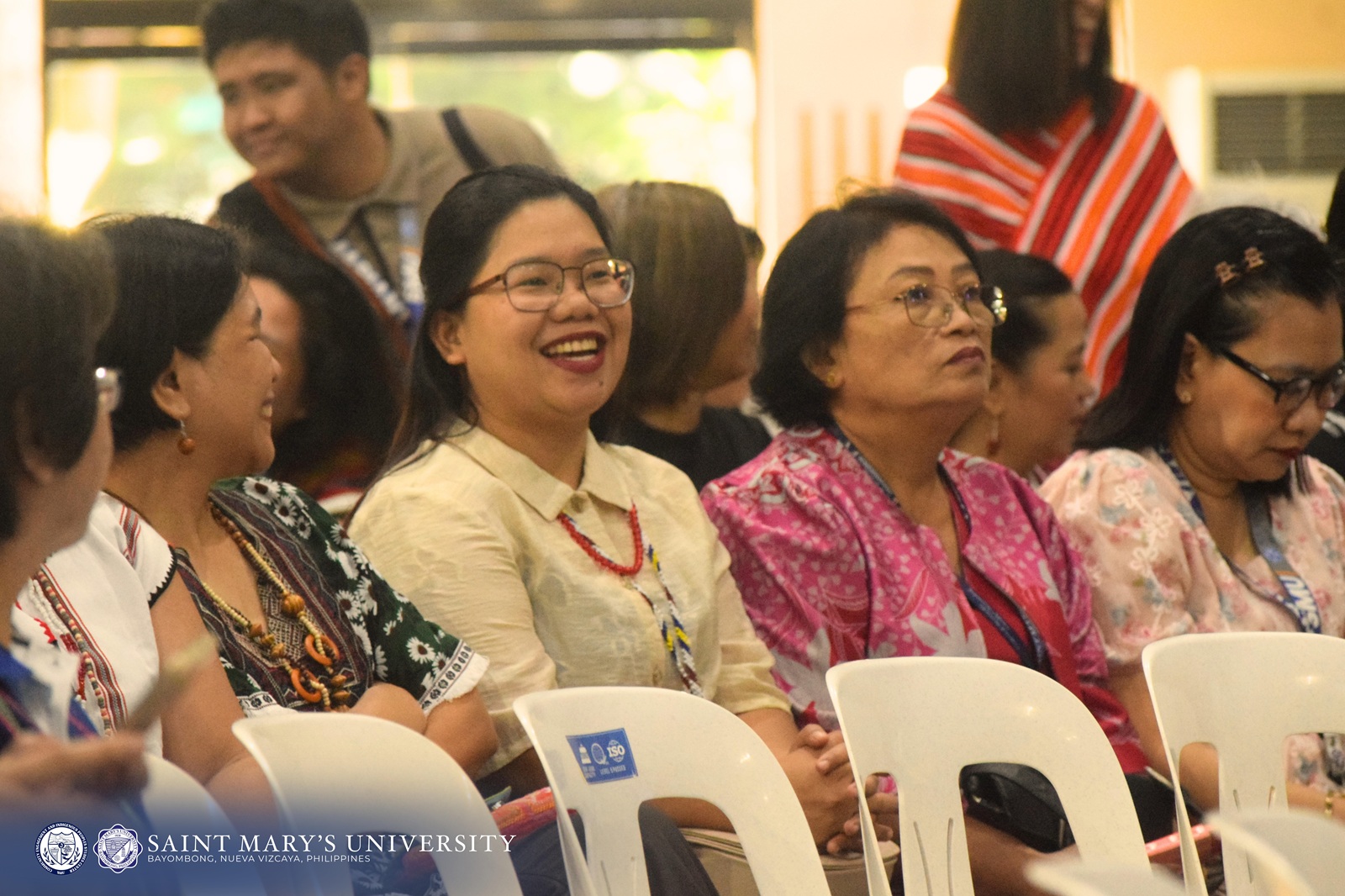
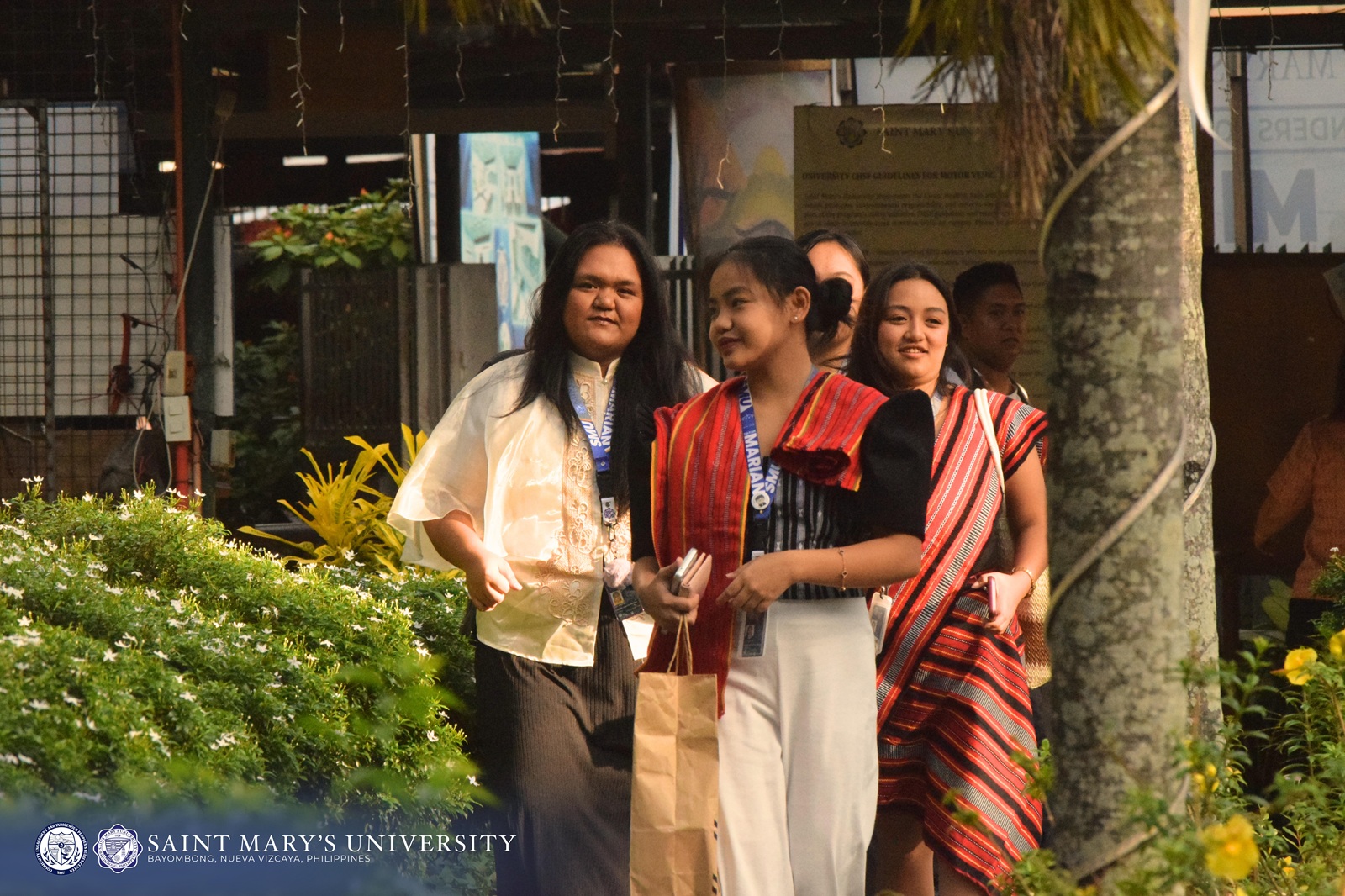
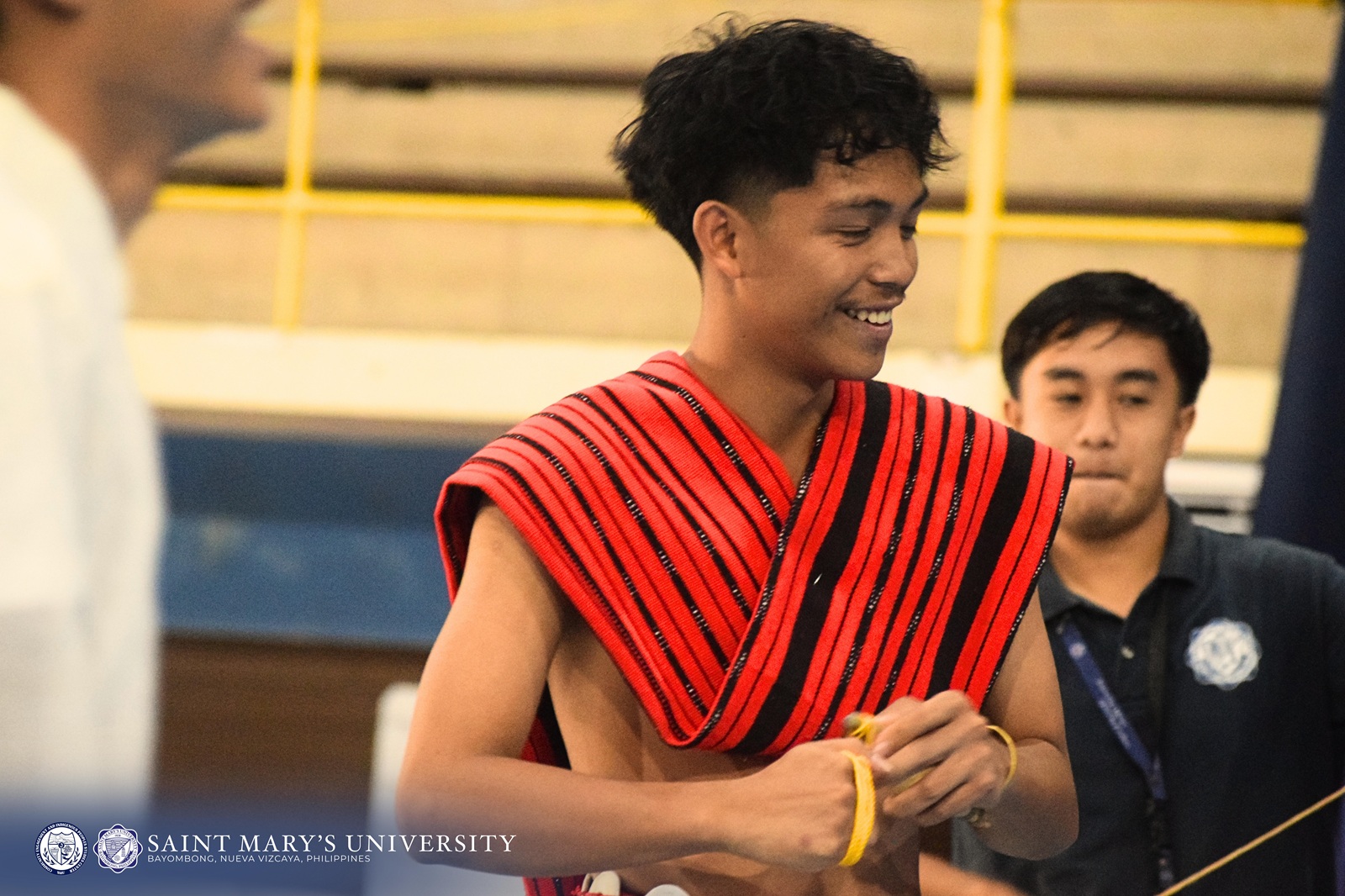
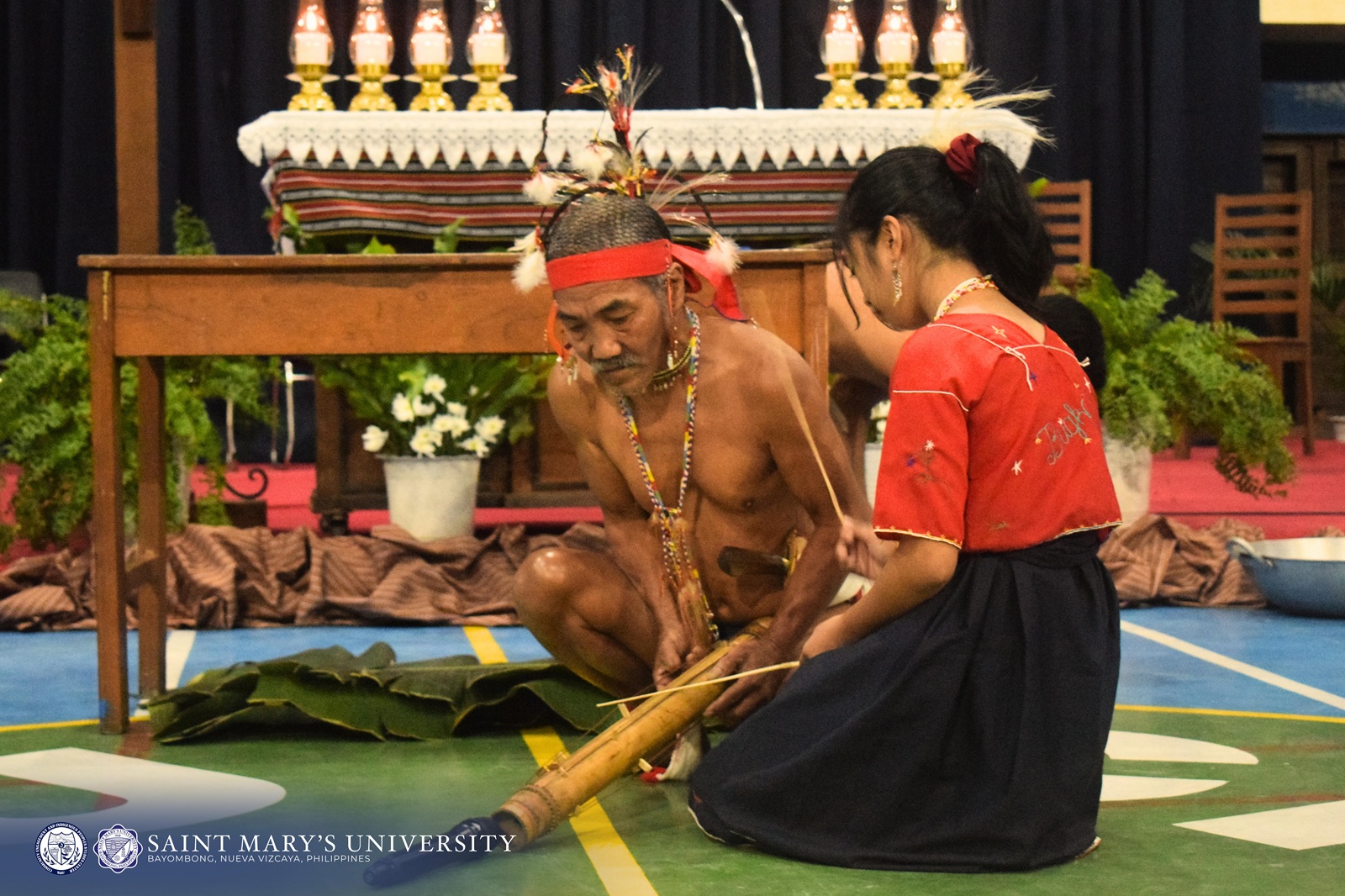
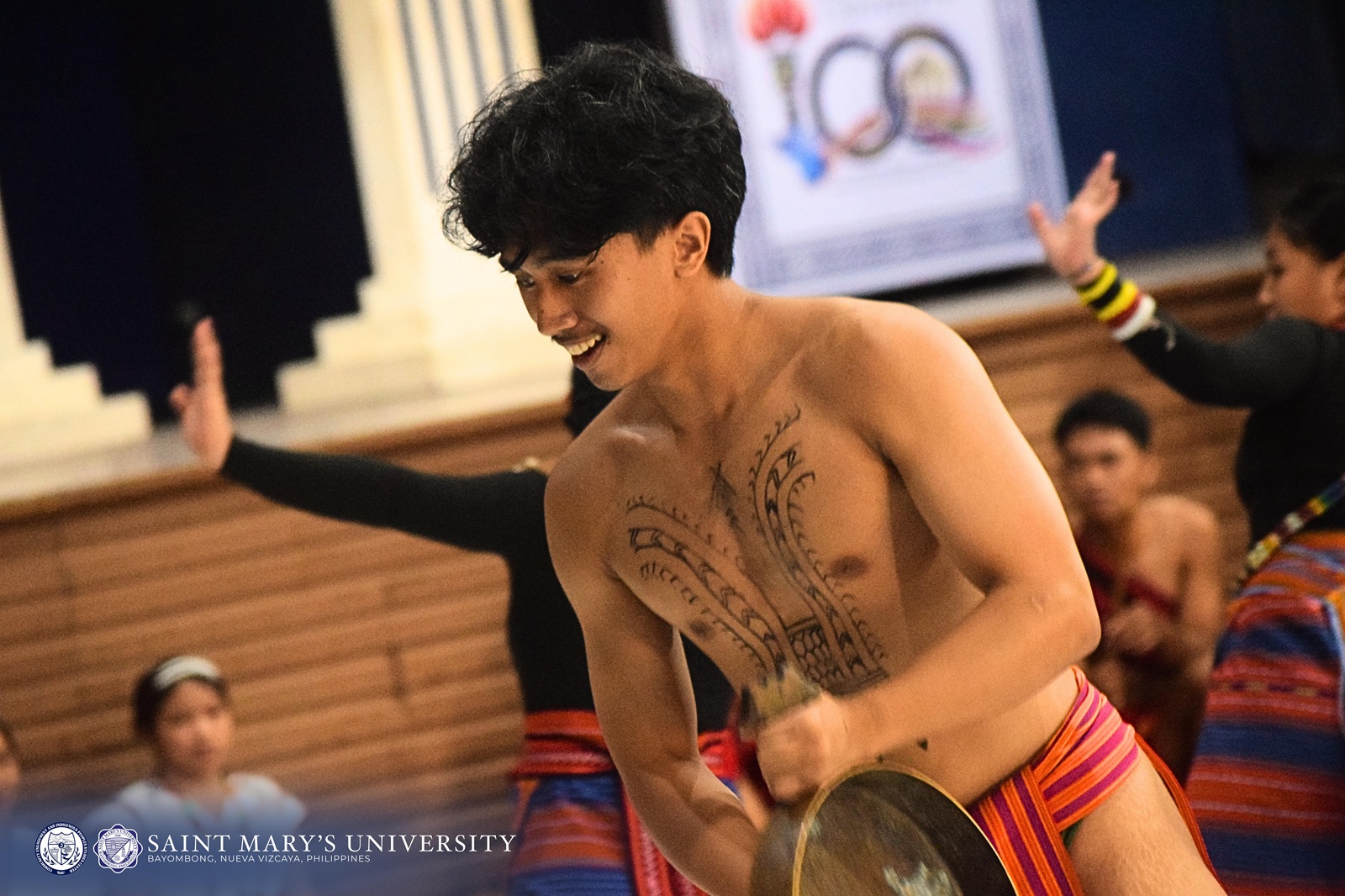
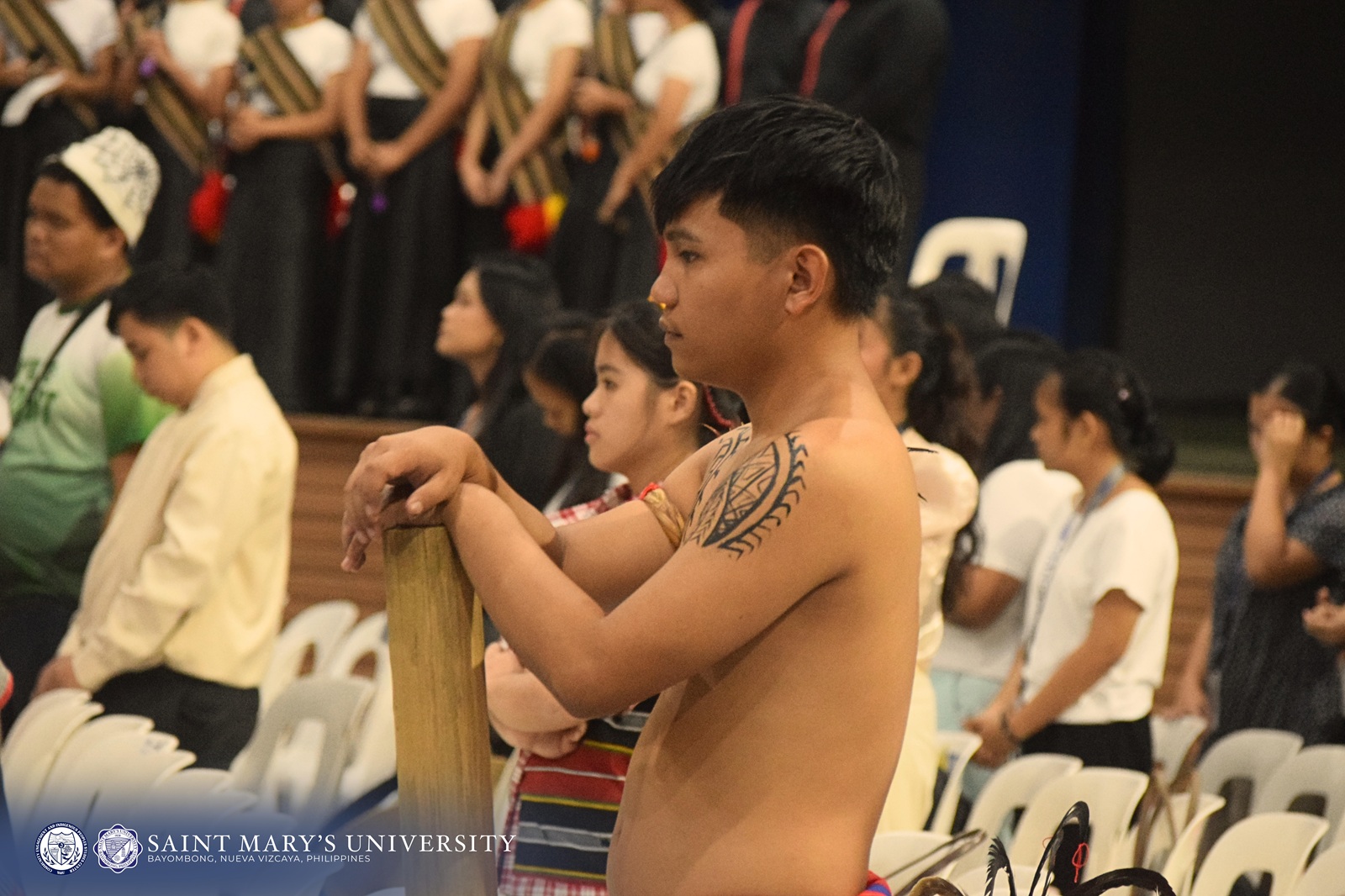
A Celebration of Heritage and Community
Following the mass, the official culmination program commenced with an opening speech by NCCA Chairman Dr. Zerrudo. He highlighted the various ways Indigenous Peoples (IPs) and Indigenous Cultural Communities (ICCs) express their identity, making special mention of the intricate ways they produce and care for their traditional textiles. Recalling his recent visit to the Festival of Festivals in Baguio City, Dr. Zerrudo shared his joy in seeing more people, especially the youth, proudly flaunting their heritage rather than being ashamed of their roots. He urged Marian students to remain authentic by continually embracing and showcasing their origins.
This was followed by a congratulatory message from Fr. Reyes, sharing his roots as an Isinay from Dupax Del Sur, Fr. Reyes expressed that seeing the traditional attires, the Gatok ritual, and the BIBAK processional brought back fond childhood memories. Emphasizing that indigenous identity is deeply internal, he noted that one does not need to wear traditional clothing to be authentically IP. He also highlighted the historical bond between his people and the Bugkalot, the original settlers of Dupax, recalling how they helped the Isinays establish their community. Community Engagement and Indigenous Peoples Studies (CEIPSC) Director Dr. Christopher Allen S. Marquez then responded to the speeches with words of gratitude, especially thanking those who helped make the month-long celebration possible.
The program continued with Laro ng Lahi, a series of indigenous games introduced by Bugkalot culture bearer Frederick Barcelo and facilitated by the SMU Student Central Council.Students from different schools competed in Sugay, a traditional chopstick game; Bëngël or Trumpo, a spinning-top game; Dëmët, a form of traditional wrestling; and Polong, an archery competition.
The School of Teacher Education and Humanities (STEH) emerged as the overall champion of the competitions.
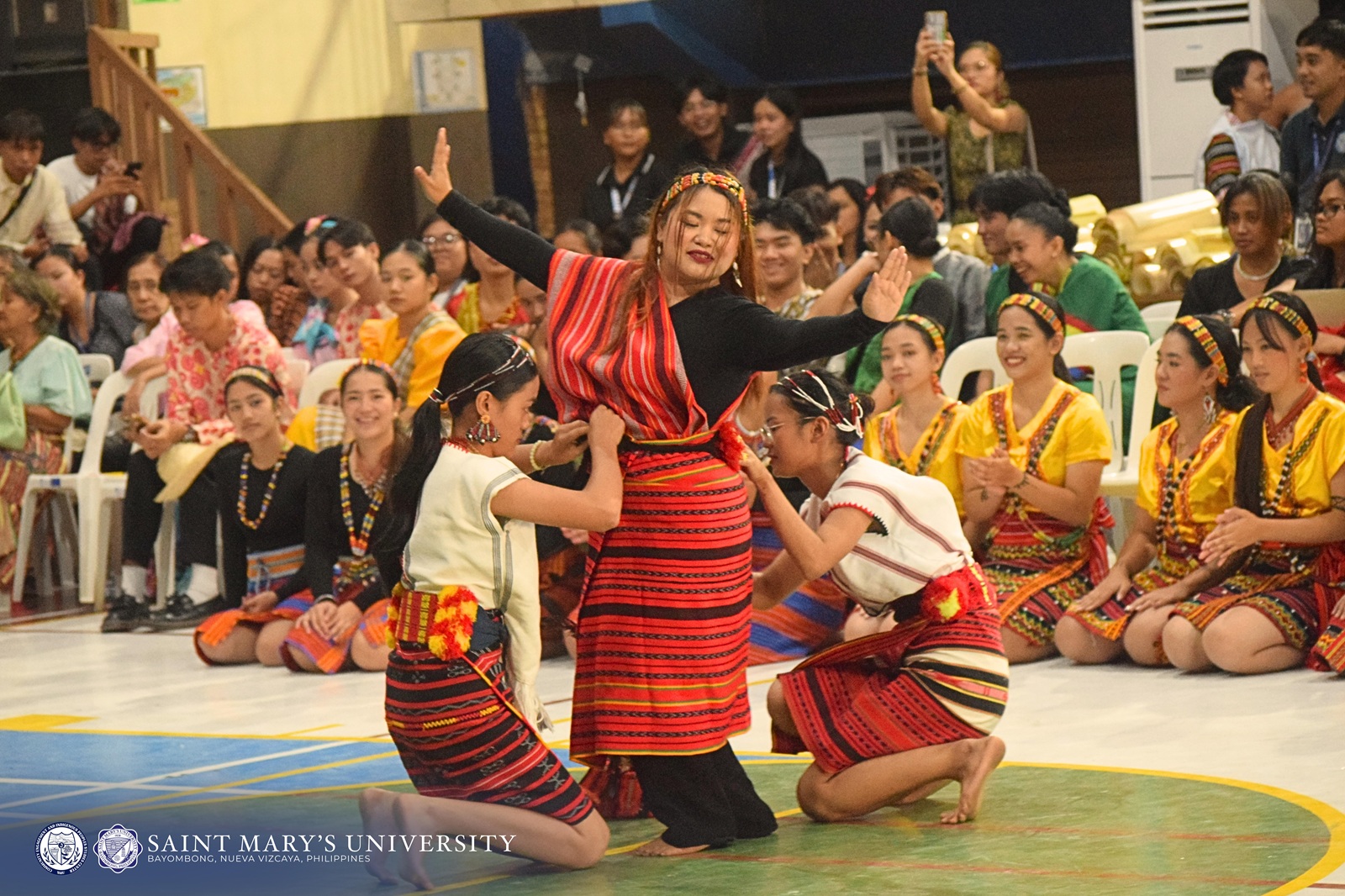
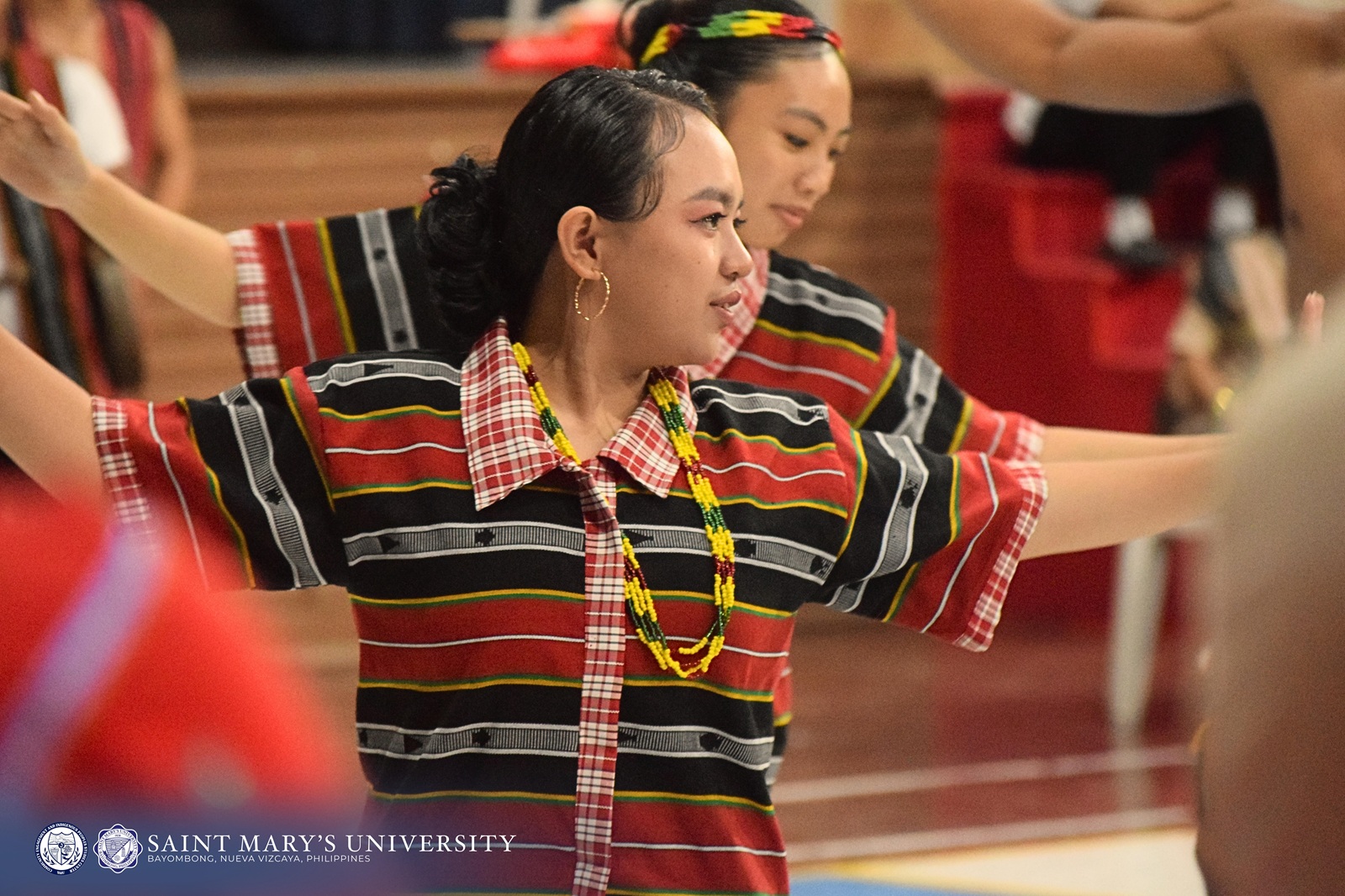
Cultural performances followed during Himig Katutubo, which featured presentations from SMU performing arts groups and indigenous cultural performers. Moreover, Teatro Publiko staged a short presentation promoting tourism destinations in Nueva Vizcaya, accompanied by a trumpet performance from the SMU Marching Band.
Additionally, the SMU Chorale performed Filipino folk songs, while the Marian Dance Troupe presented a folk dance followed by the BIBAK performing group who showcased traditional dances representing the Calanguya, Mountain Province, and Kalinga cultural communities.
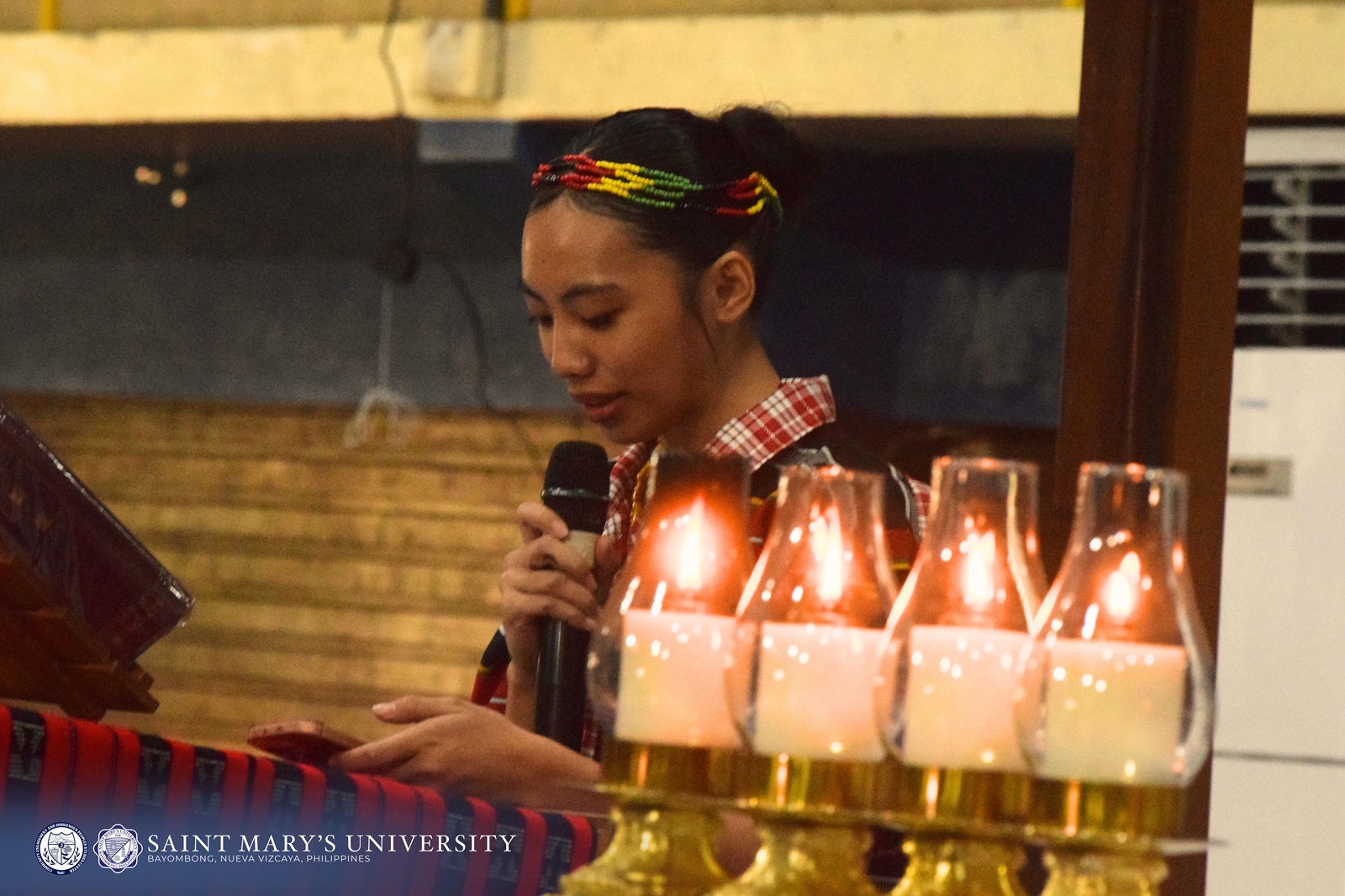
The formal program ended with a closing prayer led by SMU Dance Troupe Adviser Rona Vidal.
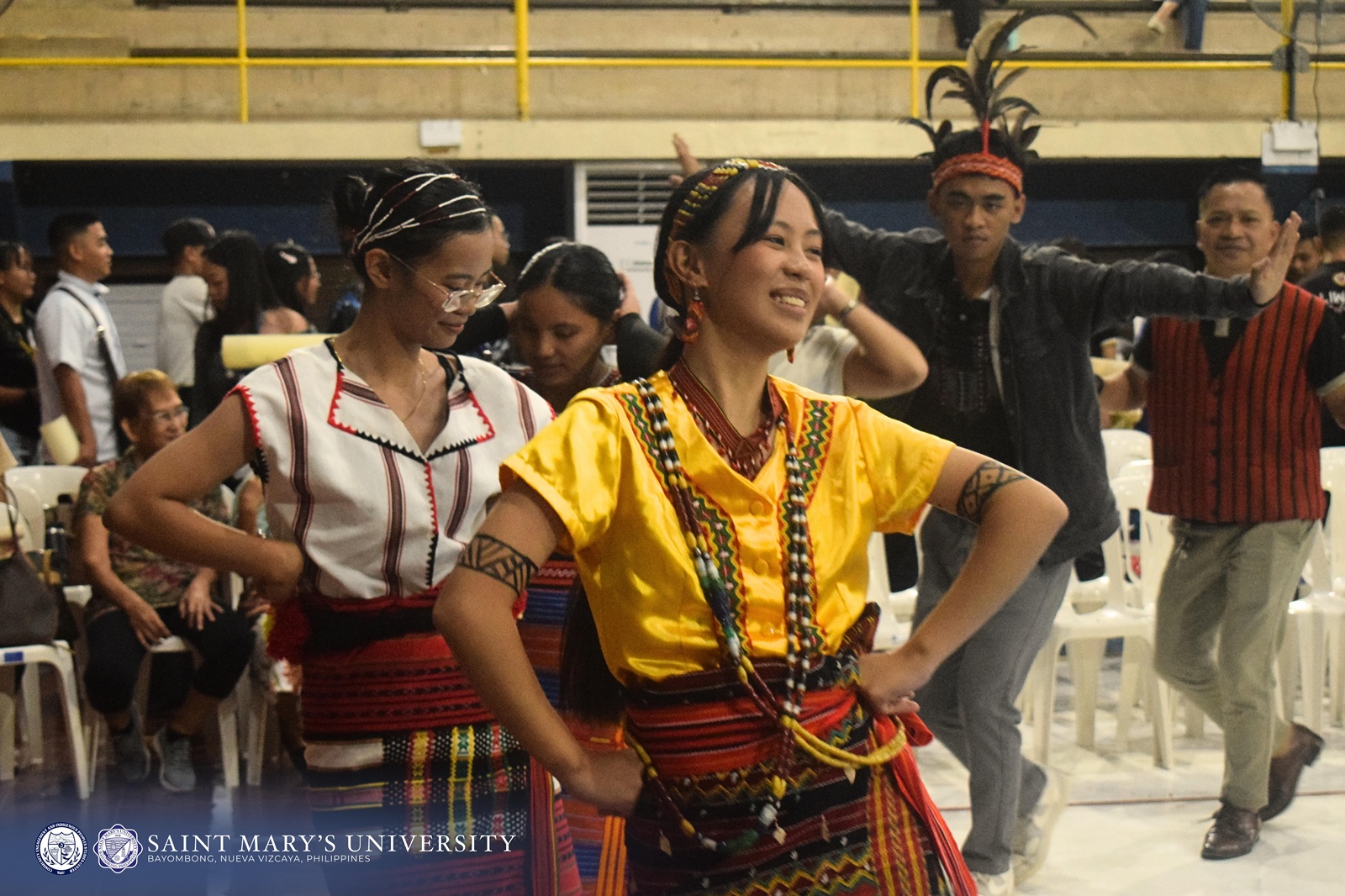
A community feast followed, accompanied by musical performances from the SMU Band and Marching Band, with students and university personnel participating in communal dances.
The November 4 activity marked the conclusion of SMU’s month-long observance of IP and Museum Month, which featured activities centered on indigenous cultural heritage, traditions, and community participation.
SDG17: Partnership for the Goals
Written by: Laurice Kaye P. Laguinday, IPS Coordinator
Photos by: Marielle G. Camonayan, CEIPSC staff