Saint Mary’s University Hosts 6th Nueva Vizcaya Historical Congress After a Three-Year Hiatus
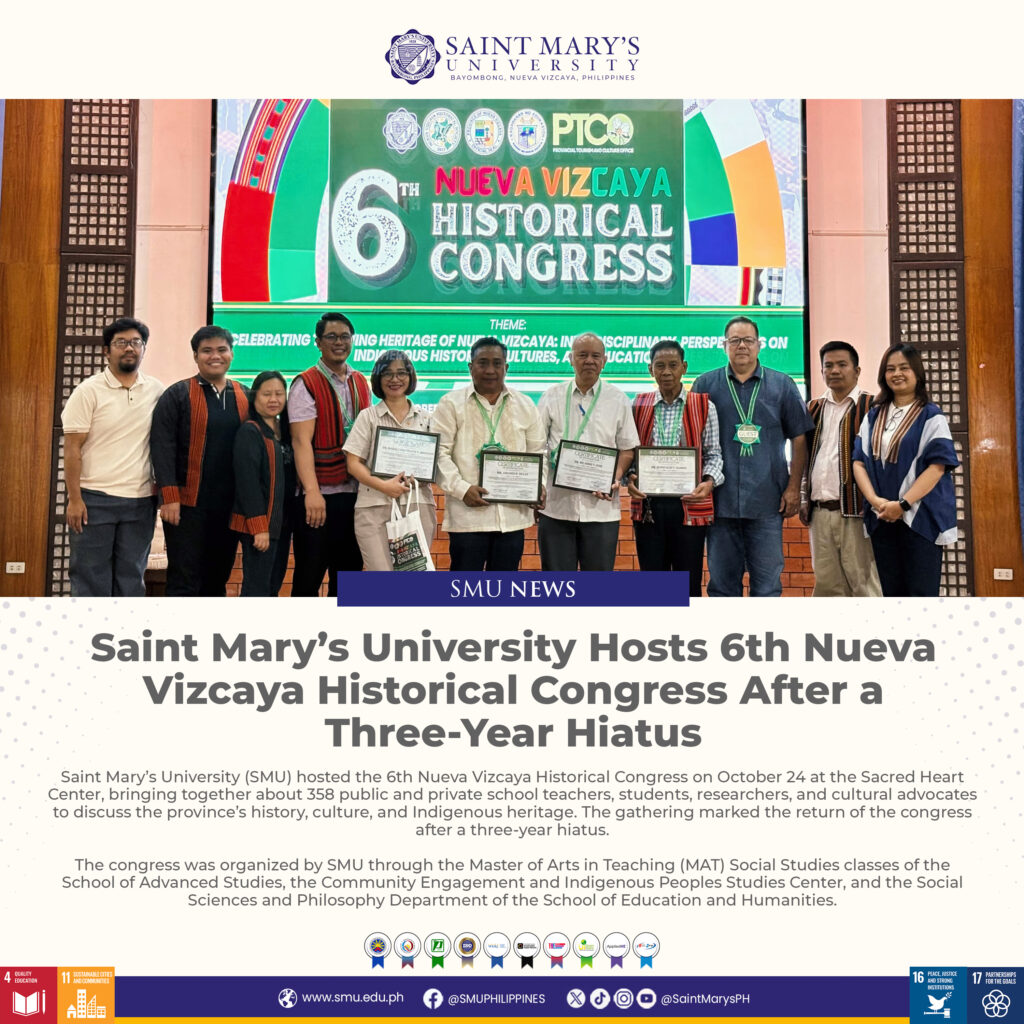
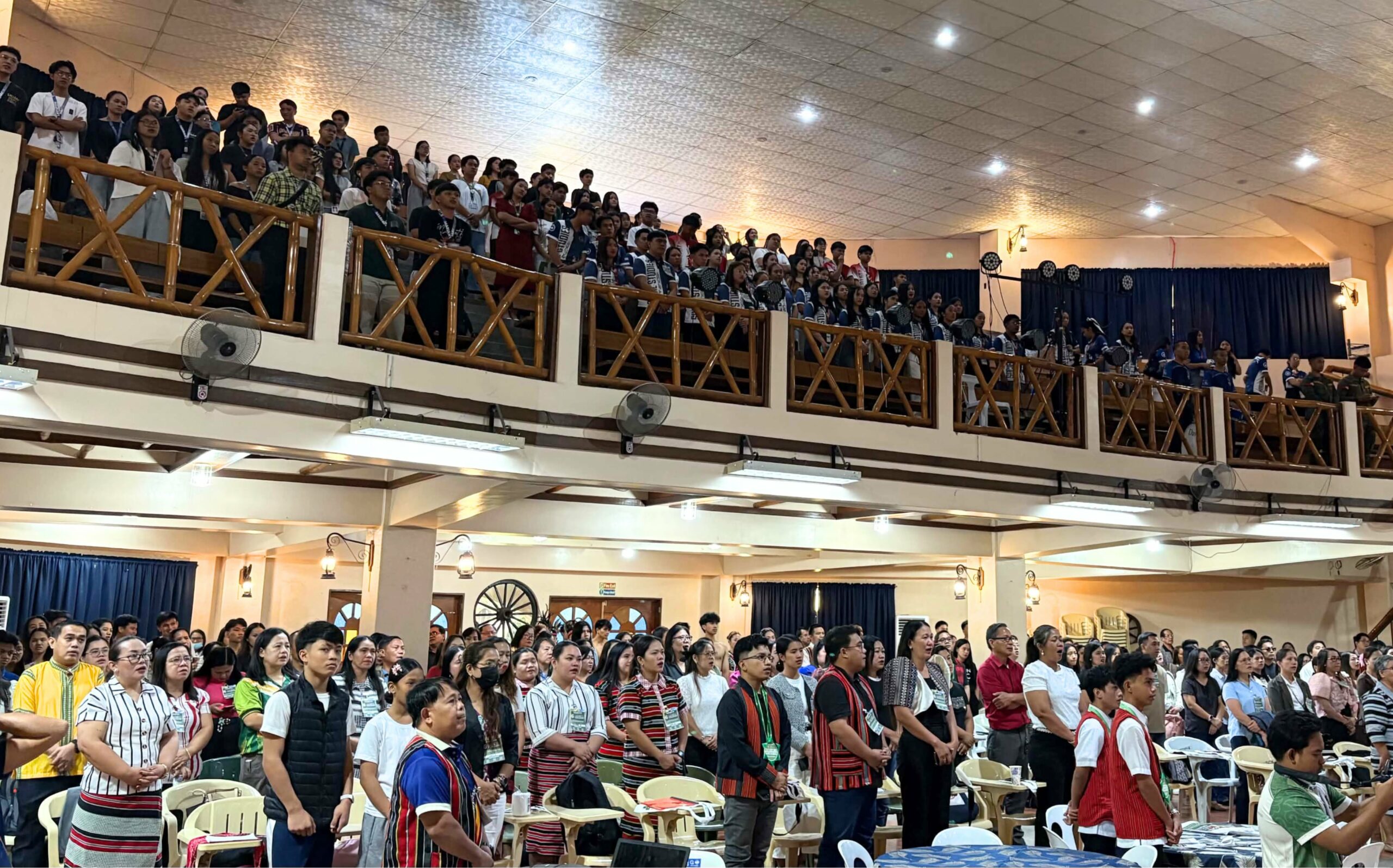
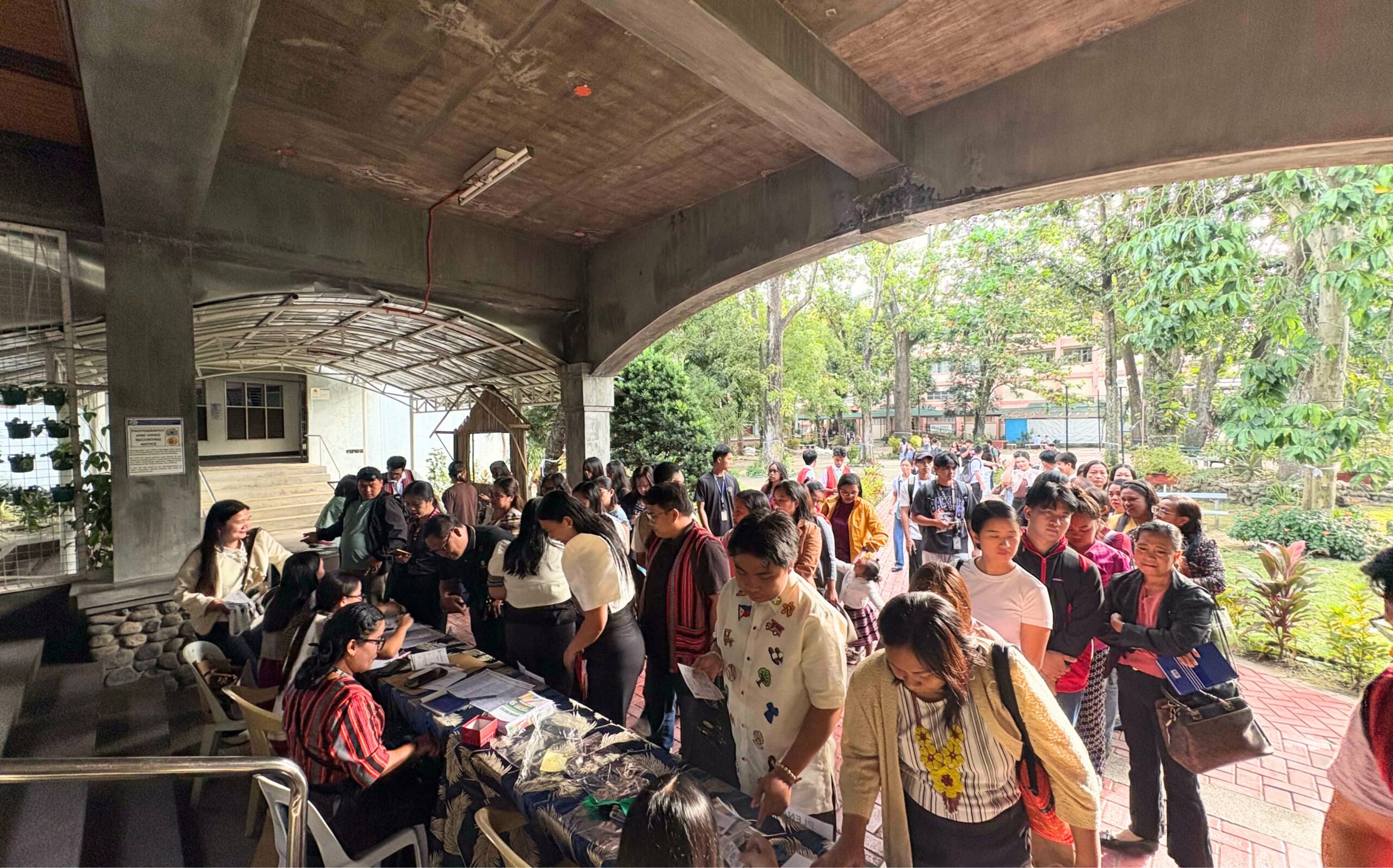
Saint Mary’s University (SMU) hosted the 6th Nueva Vizcaya Historical Congress on October 24 at the Sacred Heart Center, bringing together about 358 public and private school teachers, students, researchers, and cultural advocates to discuss the province’s history, culture, and Indigenous heritage. The gathering marked the return of the congress after a three-year hiatus.
The congress was organized by SMU through the Master of Arts in Teaching (MAT) Social Studies classes of the School of Advanced Studies, the Community Engagement and Indigenous Peoples Studies Center, and the Social Sciences and Philosophy Department of the School of Education and Humanities. It was held in partnership with the Nueva Vizcaya Historical Society, the Provincial Tourism and Culture Office, the Governor’s Office of the Province of Nueva Vizcaya, and the Schools Division Office of Nueva Vizcaya.
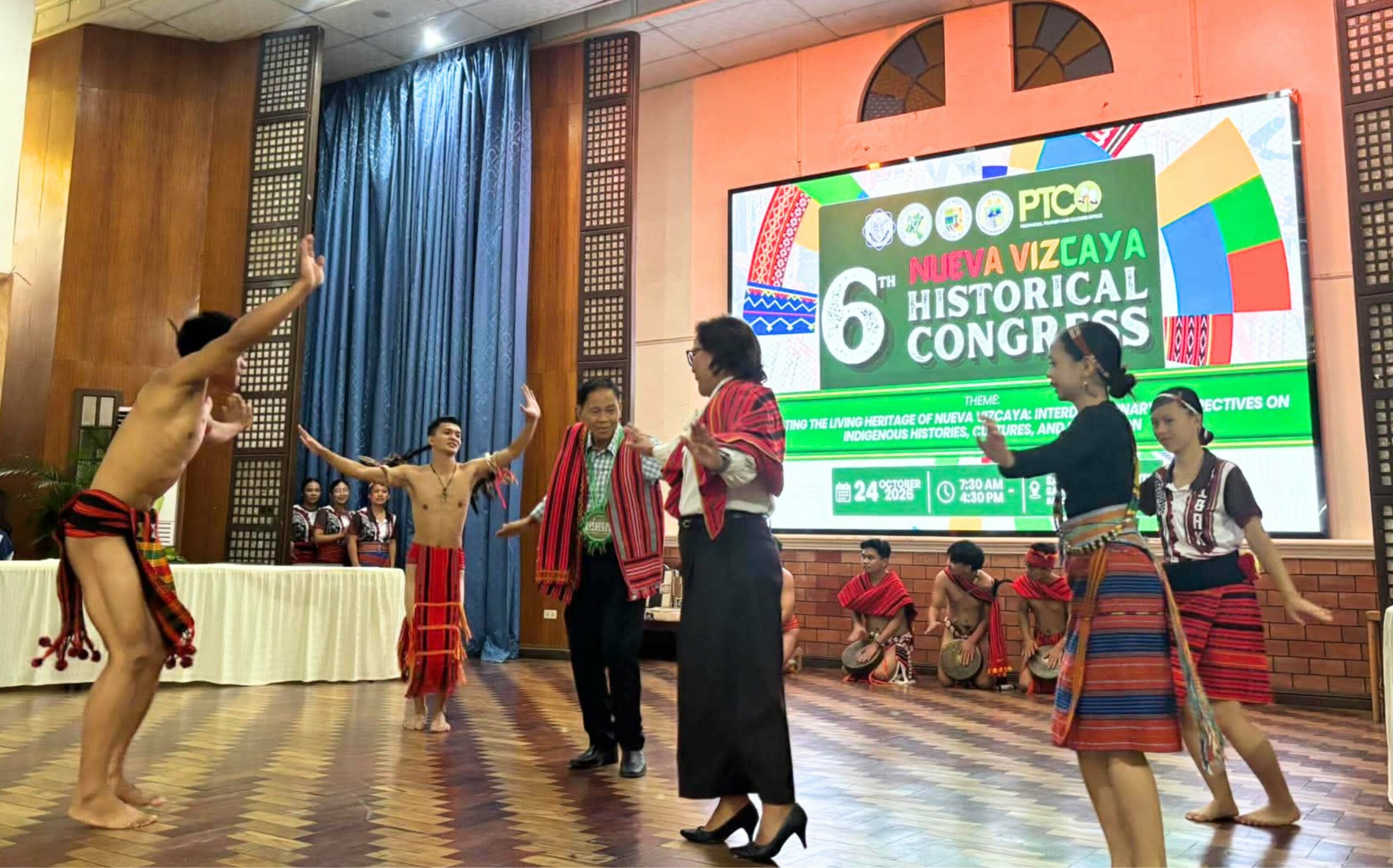
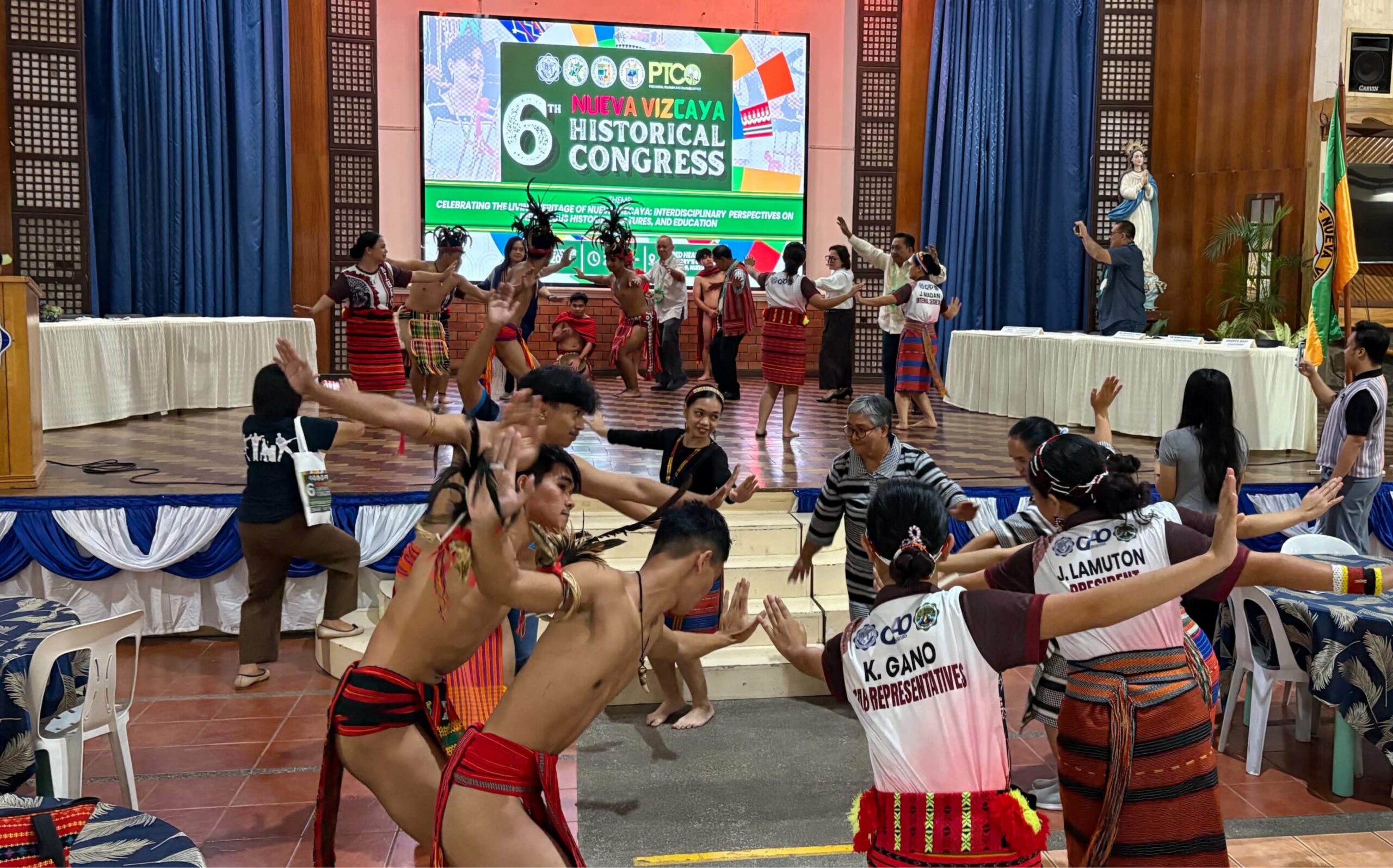
The program opened with the entrance of colors, the singing of hymns, and a performance by the SMU BIBAK Organization and community dance participants. This was followed by the opening remarks of Dr. Arnold D. Pitpitunge, President of the Nueva Vizcaya Historical Society.
Dr. Ricardo T. Jose of the Department of History at the University of the Philippines Diliman in Quezon City served as the keynote speaker. He discussed accounts and perspectives on World War II Liberation: Trails/Notes in Nueva Vizcaya. He emphasized the importance of examining local experiences to gain a broader understanding of the country’s wartime history, noting that “The history of the liberation of the Philippines cannot be fully understood without looking into the experiences of local communities such as Nueva Vizcaya.”
The morning session continued with plenary talks on the province’s historical and cultural heritage. Dr. Bonifacio V. Ramos, Research Director of PLT College, Inc., in Bayombong, discussed the historical, geographical, and cultural context of the 1621 Gaddang Revolt and its repercussions. Mr. Amadeo B. Dulay, Principal IV of Bintawan National High School, presented a study on Panagbirngas, focusing on Ilocano naming practices. Dr. Maria Concepcion D. Absalon, Education Program Supervisor for Araling Panlipunan at the Schools Division Office of Nueva Vizcaya, examined the relevance of Department of Education policies on Indigenous Peoples Education in relation to DepEd Order No. 42, s. 2017.
In the afternoon, researchers presented studies on Indigenous knowledge, oral history, traditional practices, food security, and cultural education. Rachelle Ann D. Labasan discussed Gaddang acoustemology and the Barobbob Watershed, while Arlene R. Manlapaz examined Pinagit na Ginulgol, a traditional root-crop substitute, and its role in Bugkalot household food security.
Other presentations explored the integration of Indigenous learners’ narratives into learning resources for contemporary issues, presented by Ian Kristoffer M. Dela Cruz, Starlette Angel P. Bascos, and Descel Faith G. Paculla; cultural awareness among Grade 11 Ayangan learners, examined by Clarence Jeanne G. Verdadero and Leamar B. Malenab; and the documentation of Indigenous oral histories. Renda D. Gondalis and Joao Paolo D. Reginaldo presented Say Istorya’n Iwak Nunta ‘Yakcheng i Timpu’n Gubat (The Stories of the Iwak after the War): Indigenous Oral History Project 2024. Meanwhile, Chris Aldrin P. Vidad and Joseph Lorenz D. Gabriel examined Ayangan cultural traditions in Villaverde, Nueva Vizcaya, particularly the culture of fonong.
Additional studies focused on cultural immersion as a means of strengthening Indigenous identity among Gaddang senior high school learners, presented by Leamar B. Malenab and Frances M. Santocildes, and on the management of lennagwa in Ayangan Ifugao mortuary practices, explored by Daniel S. Humiwat and Dr. Kenneth L. Maslang. These presentations highlighted the importance of documenting Indigenous traditions and conducting research to preserve cultural heritage. A second open forum followed the afternoon presentations.
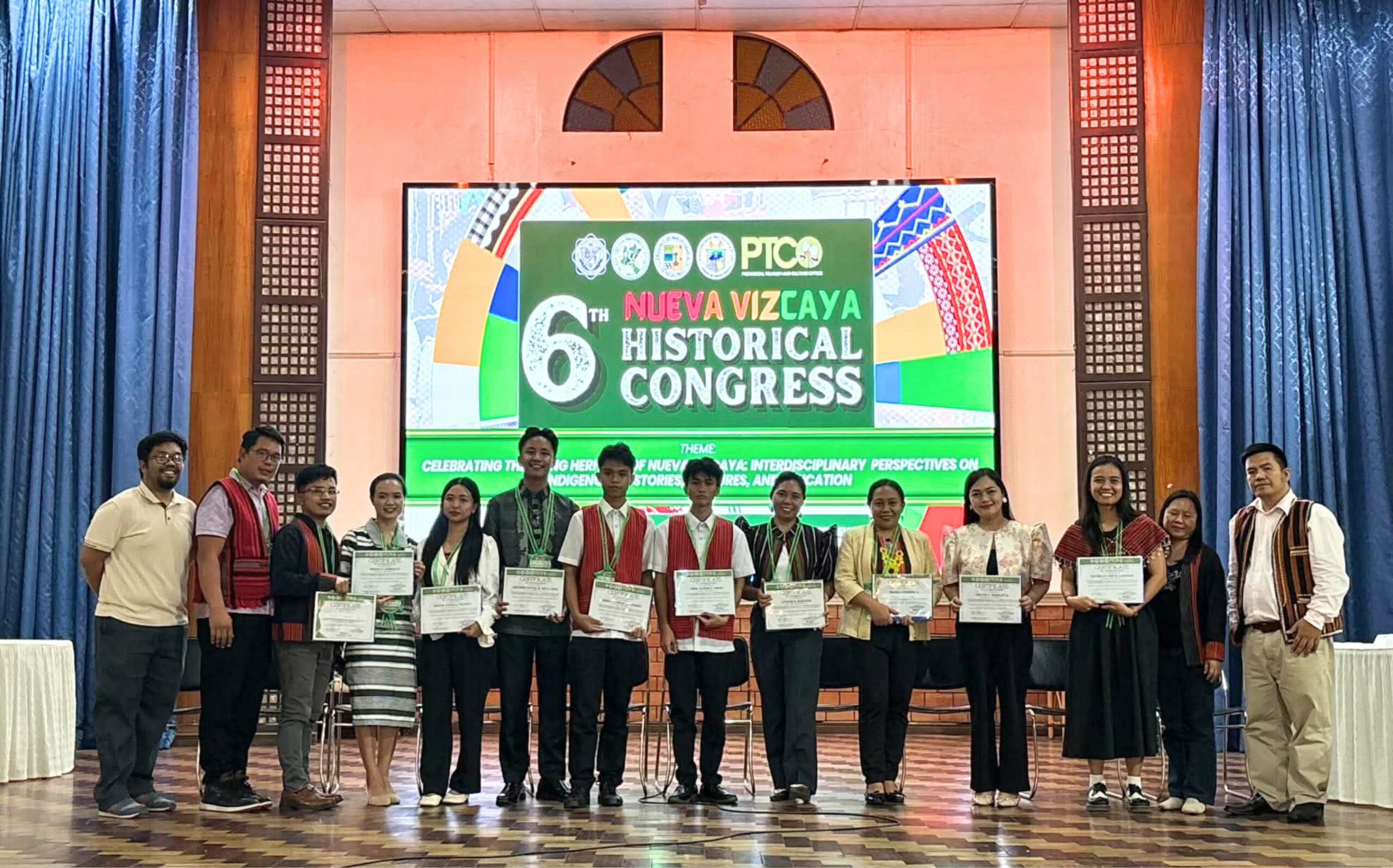
The congress recognized outstanding research contributions. Ian Kristoffer M. Dela Cruz, Starlette Angel P. Bascos, and Descel Faith G. Paculla received the Best Paper Award for their study, Integrating Indigenous Learners’ Narratives in Learning Resources for Contemporary Issues. Renda D. Gondalis and Joao Paolo D. Reginaldo’s group received both the Best Paper Award and the Best Presenter Award for their Indigenous oral history project on the stories of the Iwak after the war.
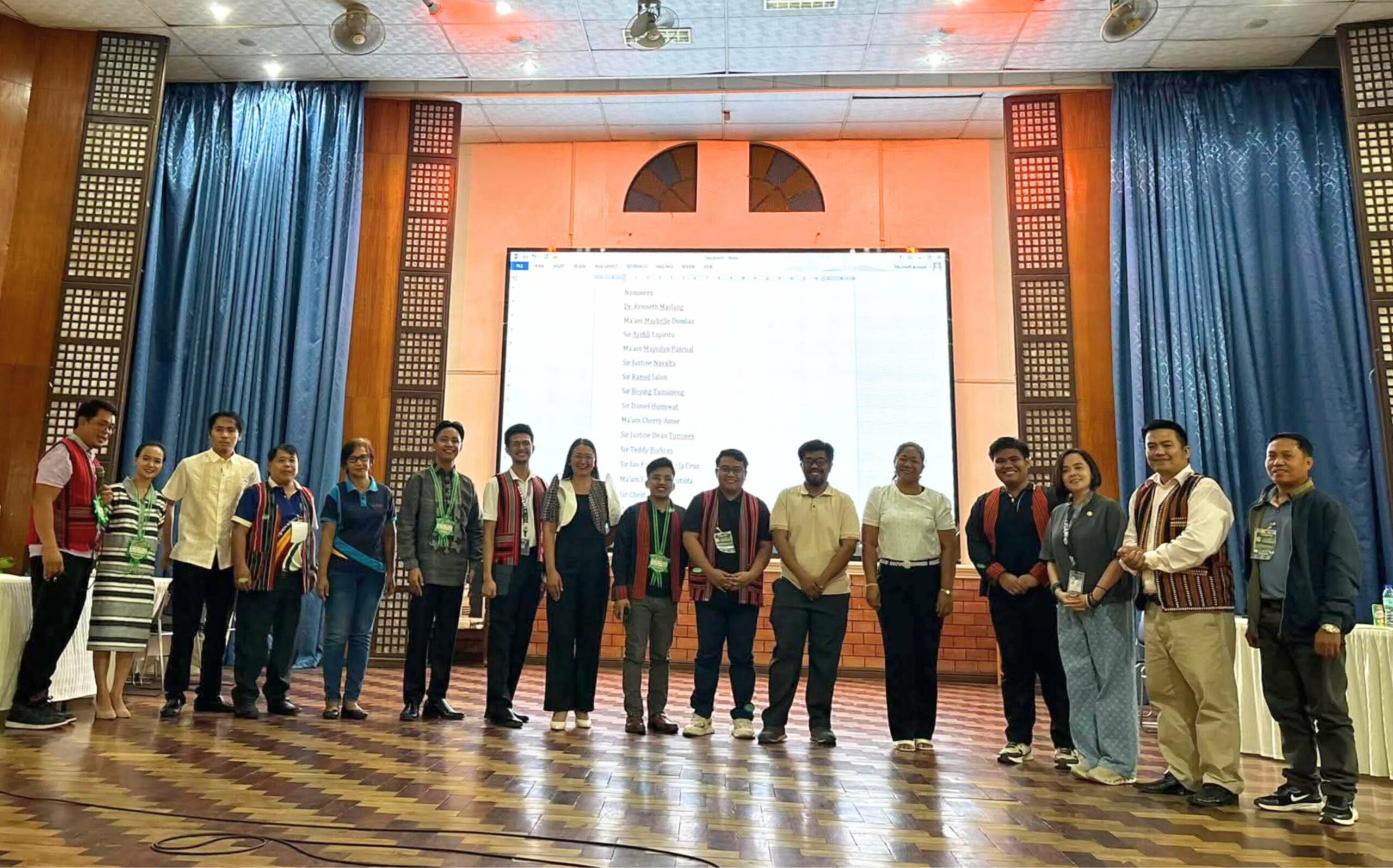
The program also featured the executive report of the Nueva Vizcaya Historical Society, followed by the election and oath-taking of its new officers. Certificates of recognition were subsequently awarded to participants and contributors. Dr. Kenneth L. Maslang, the newly elected President of the Nueva Vizcaya Historical Society, delivered the closing remarks.
The congress provided a venue for sharing historical research, discussing Indigenous knowledge, and exchanging perspectives on preserving Nueva Vizcaya’s cultural heritage. With SMU at the helm and the support of its partners, the gathering renewed opportunities for academic exchange and the documentation of local history.
SDG 4 – Quality education
SDG 11 – Sustainable cities and communities
SDG 16 – Peace, justice and strong institutions
SDG 17 – Partnership for the goals
Written by: Jenick C. Tagao, MAT SS 2, SAS
Dr. Kenneth L. Maslang, Department Head, Social Sciences and Philosophy Department, STEH