Elevating Research Excellence: Capacitation and Certification of Qualitative Data Analysts
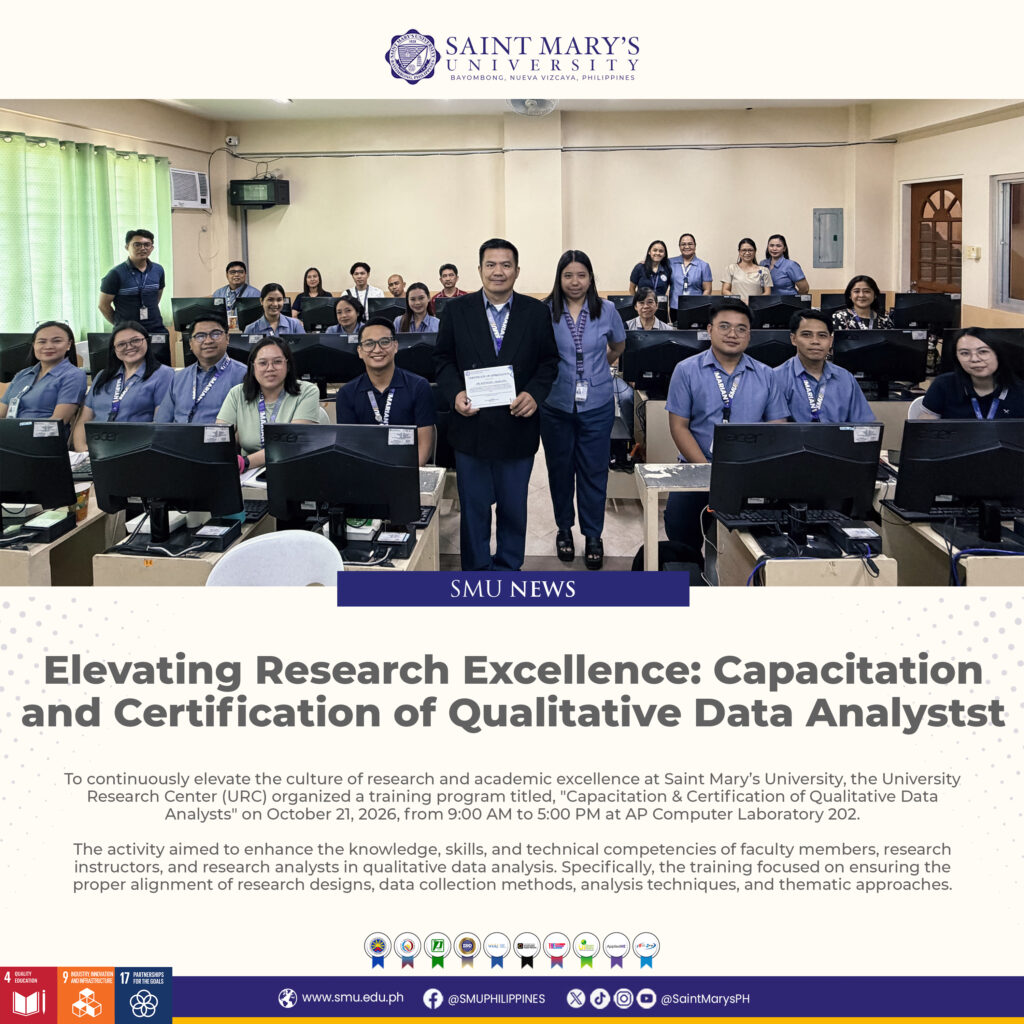
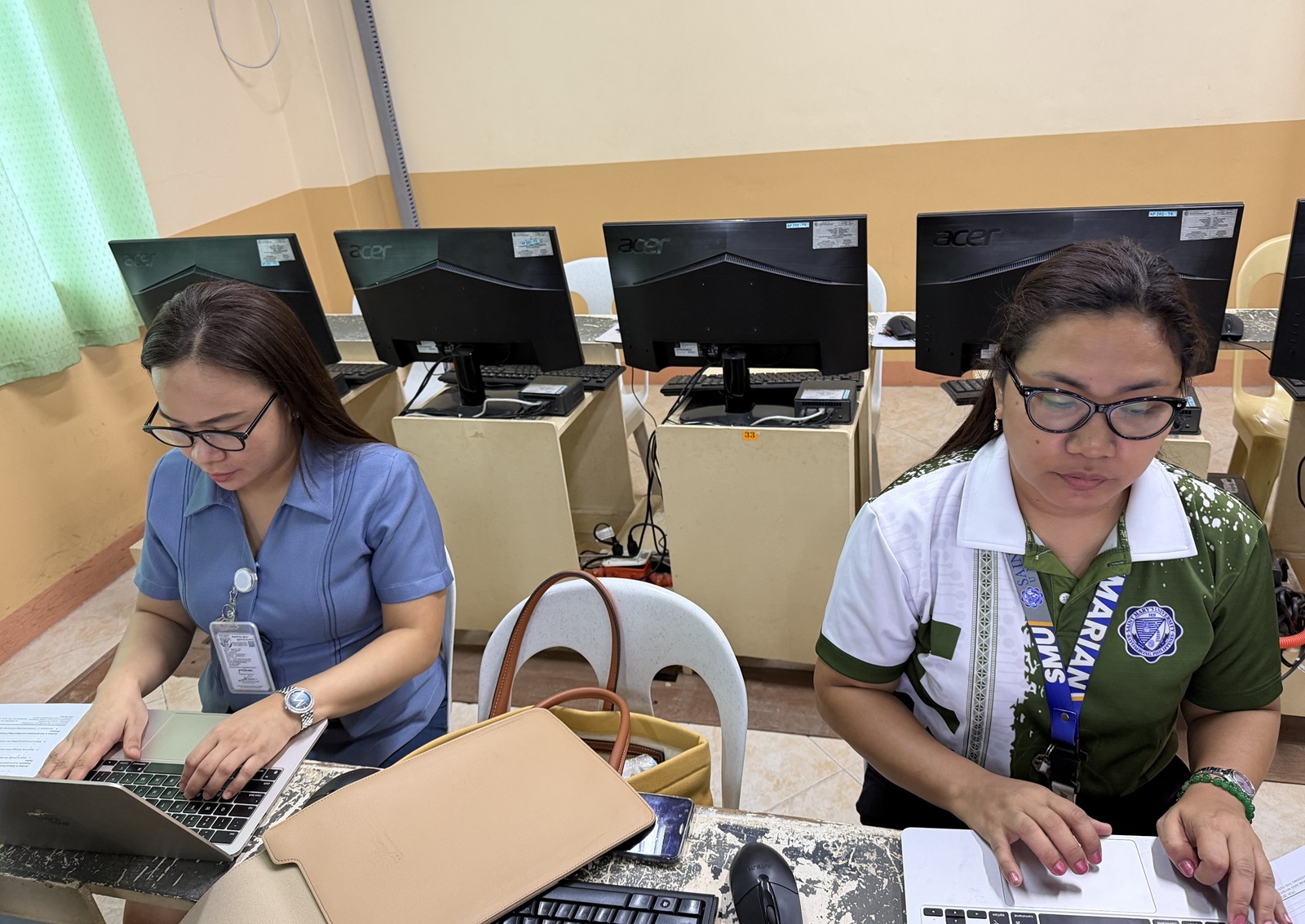
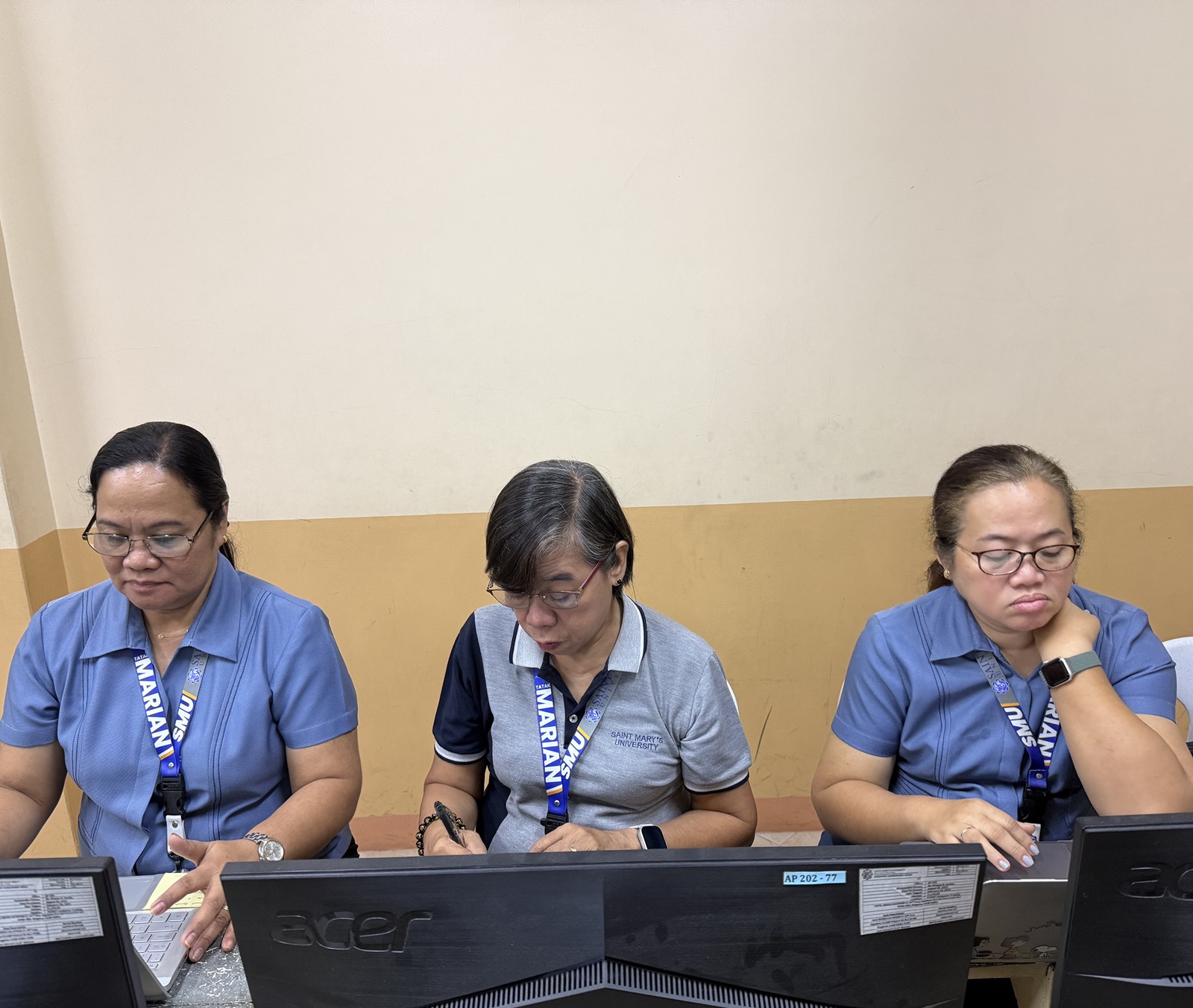
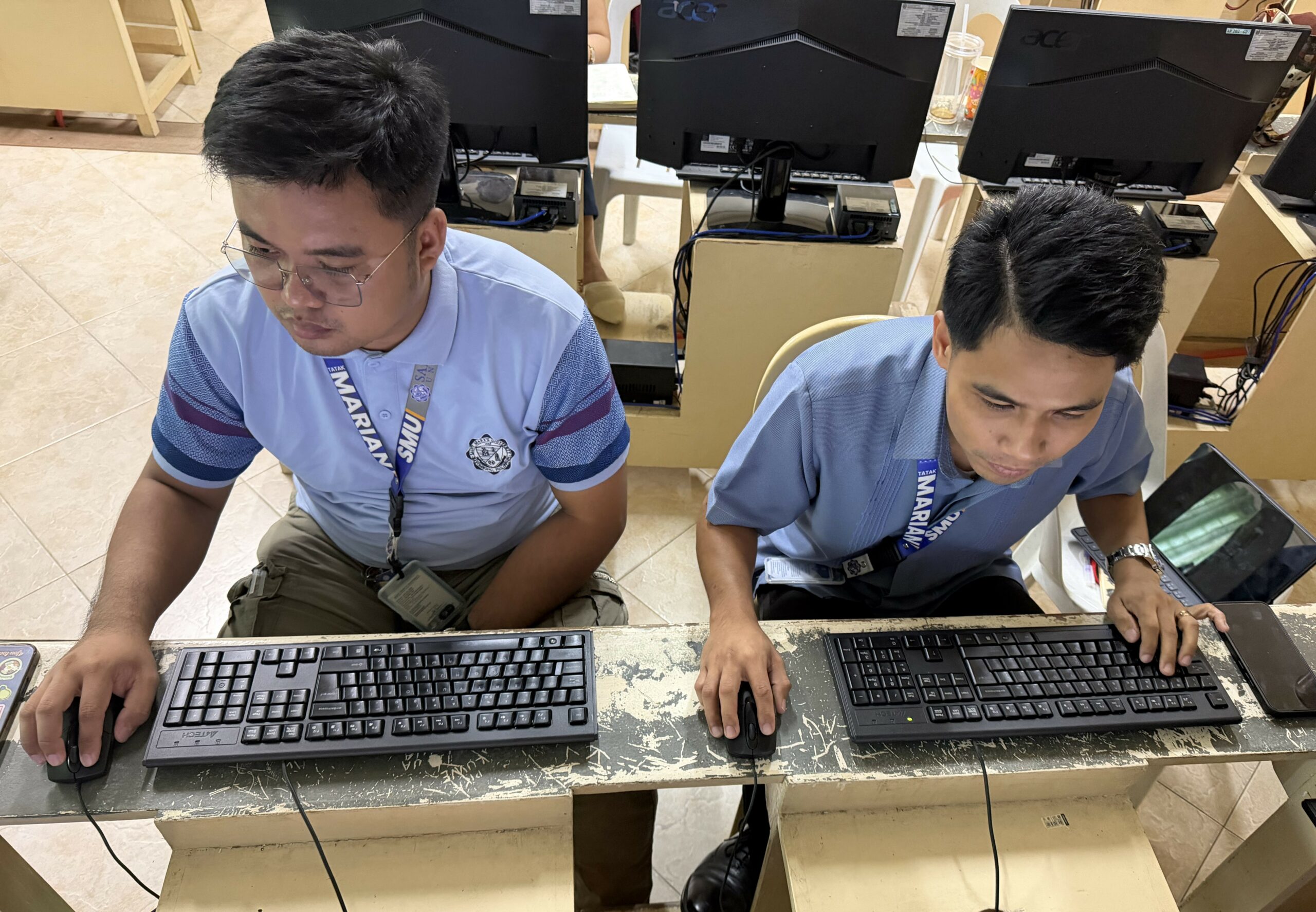
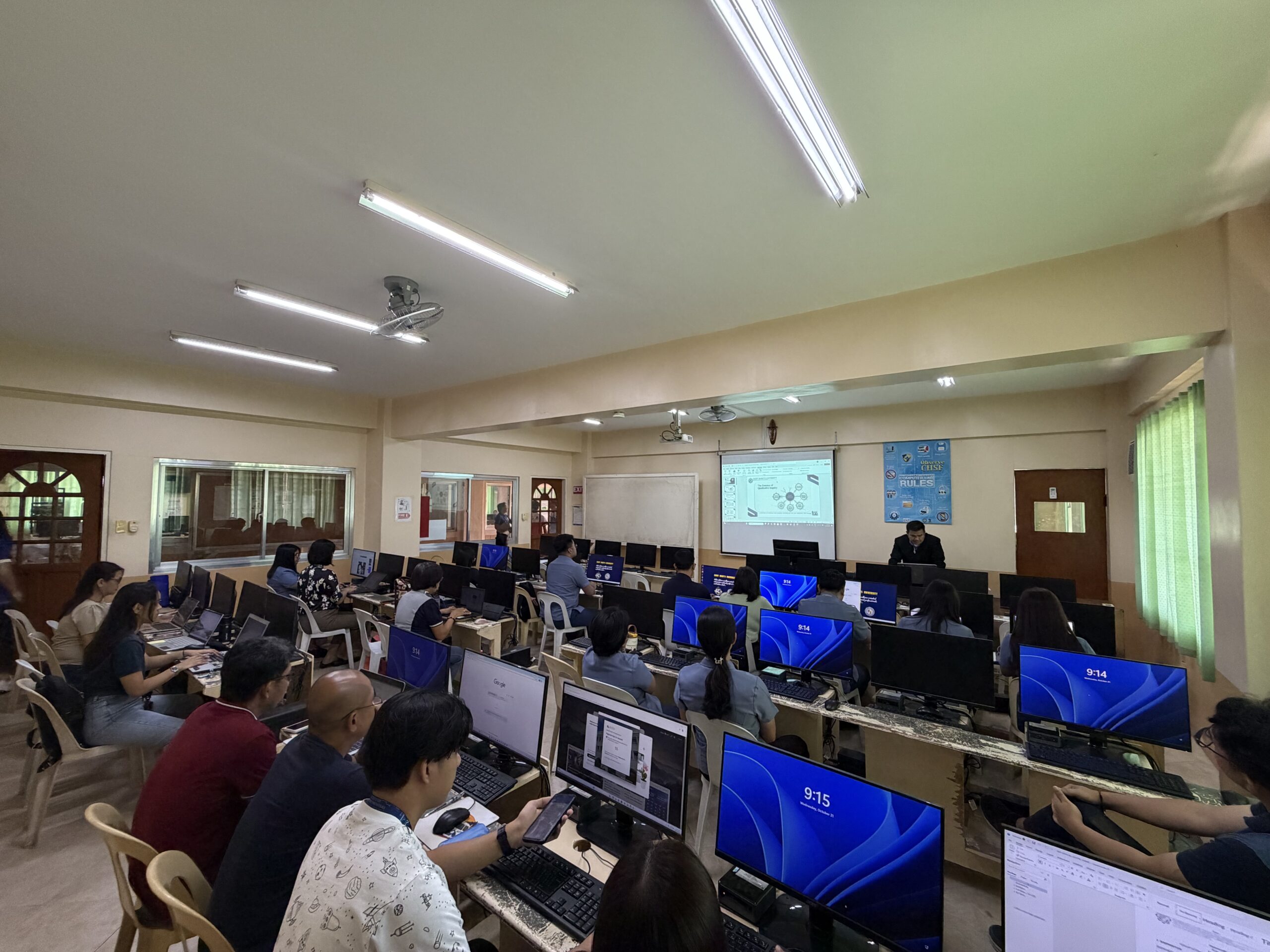
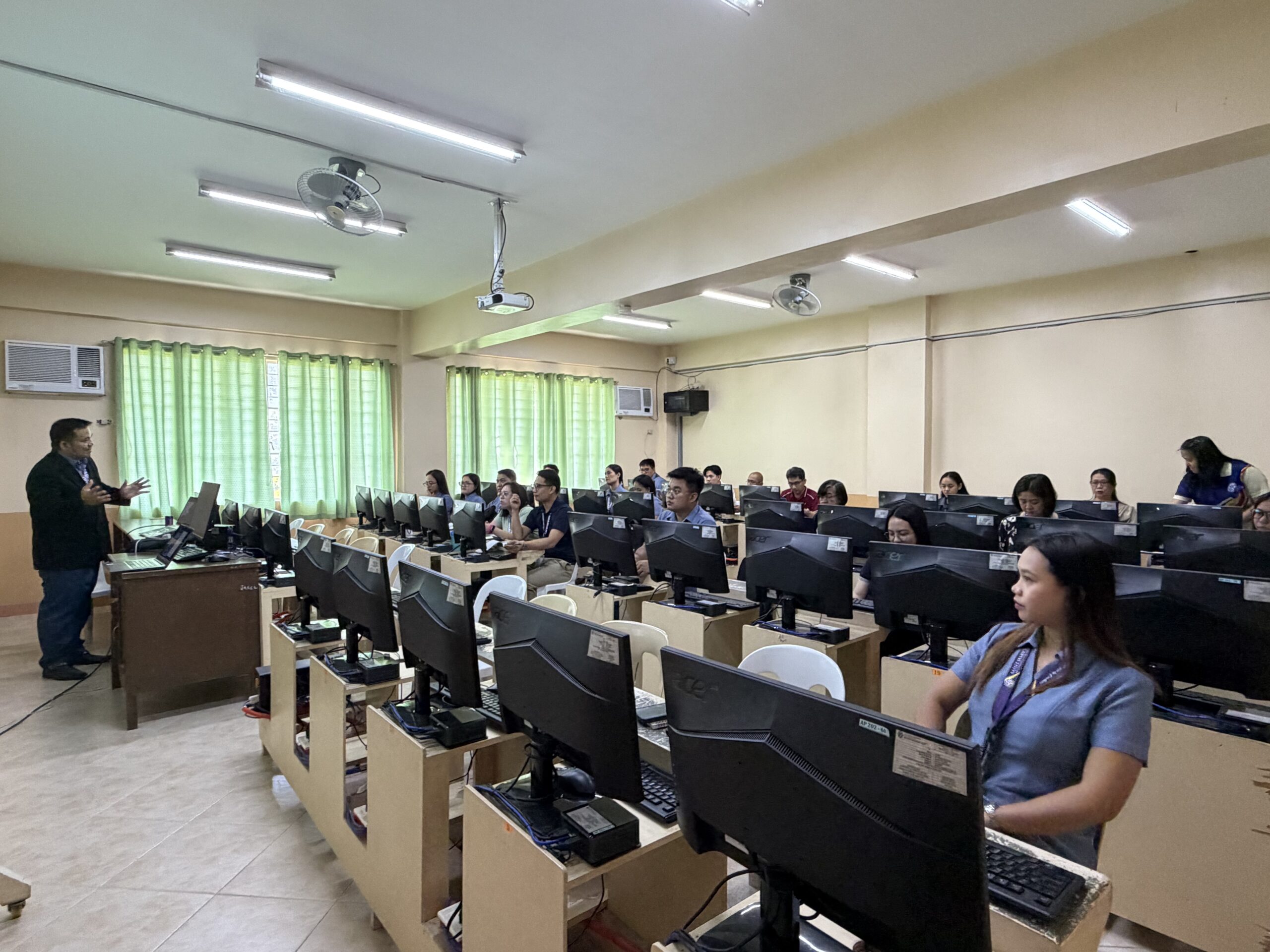
To continuously elevate the culture of research and academic excellence at Saint Mary’s University, the University Research Center (URC) organized a training program titled, “Capacitation & Certification of Qualitative Data Analysts” on October 21, 2026, from 9:00 AM to 5:00 PM at AP Computer Laboratory 202.
The activity aimed to enhance the knowledge, skills, and technical competencies of faculty members, research instructors, and research analysts in qualitative data analysis. Specifically, the training focused on ensuring the proper alignment of research designs, data collection methods, analysis techniques, and thematic approaches.
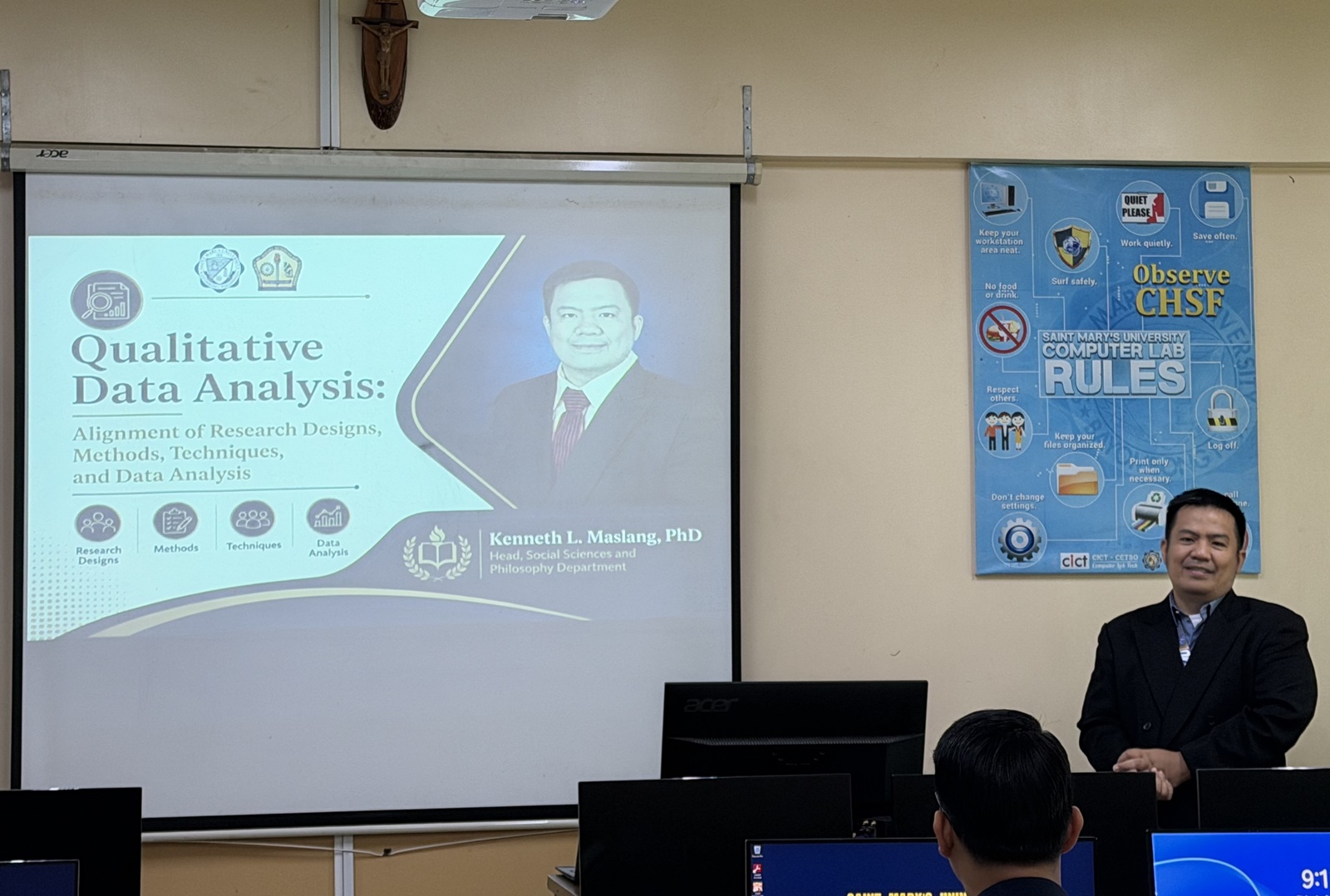
The program commenced with an invocation led by Engr. Rojan I. Reyes, SEAIT Research Coordinator, setting a reflective and purposeful tone for the activity. This was followed by the opening remarks and presentation of the statement of objectives by Miss Rhodora Aquino, University Statistician, who emphasized the importance of methodological rigor and sound qualitative data analysis in producing credible and meaningful academic research. Subsequently, Miss Jones K. Liwan, STEH Research Coordinator, formally introduced the resource speaker, Dr. Kenneth Maslang, highlighting his role in guiding the participants toward a deeper understanding of qualitative data analysis and its application in scholarly research.
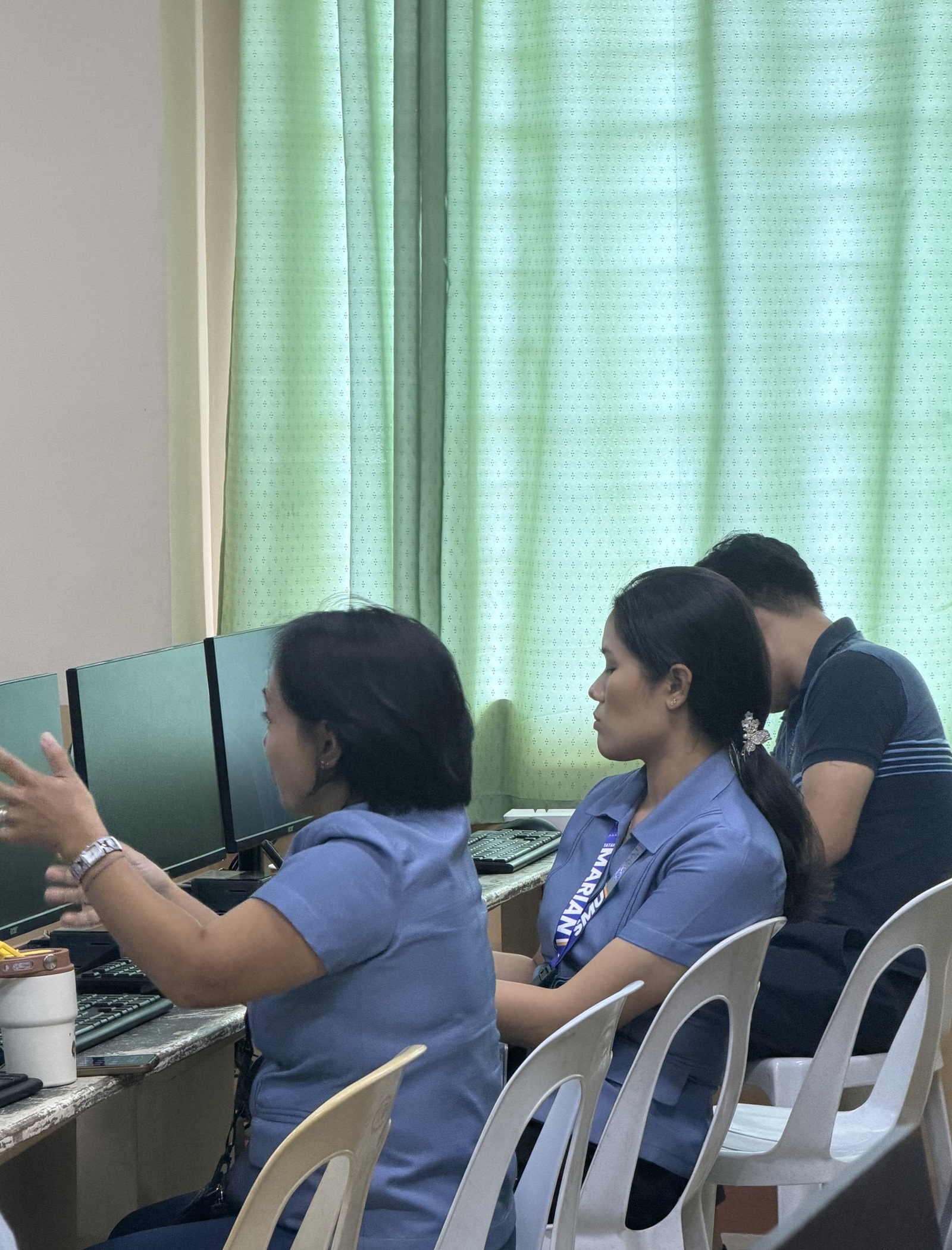
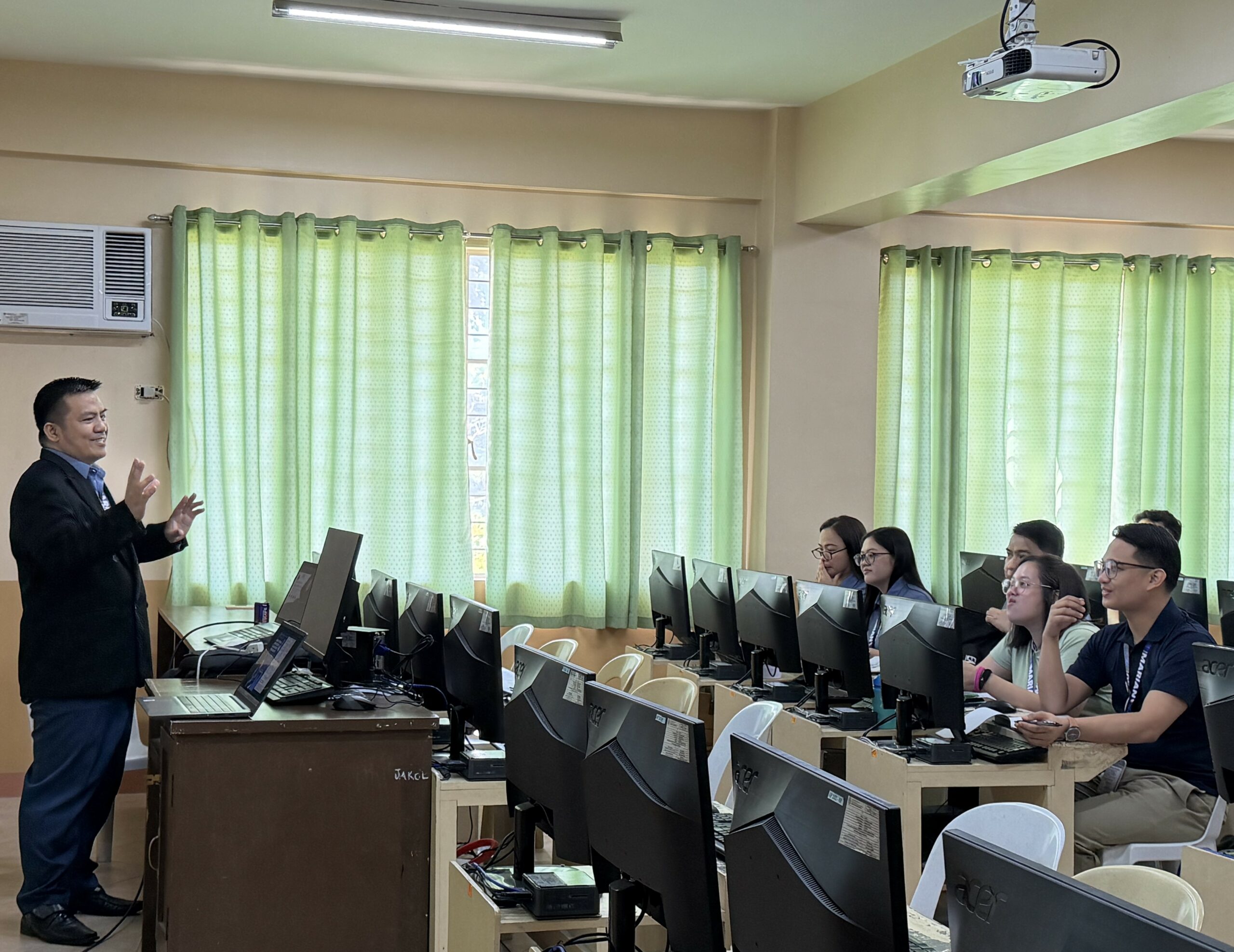
The highlight of the program was the insightful learning session led by Dr. Kenneth L. Maslang, Department Head of Social Sciences, School of Teacher Education and Humanities. In his discussion, “Qualitative Data Analysis: Alignment of Research Designs, Methods, Techniques, and Data Analysis,” he emphasized the importance of methodological coherence in qualitative research. He underscored how research questions and objectives serve as the foundation for selecting appropriate research designs, data collection tools, analytical techniques, and interpretation strategies, ensuring a systematic, rigorous, and meaningful research process. To keep the discussion engaging and relevant, he incorporated practical examples and interactive discussions that enabled participants to connect theoretical concepts with actual research scenarios.
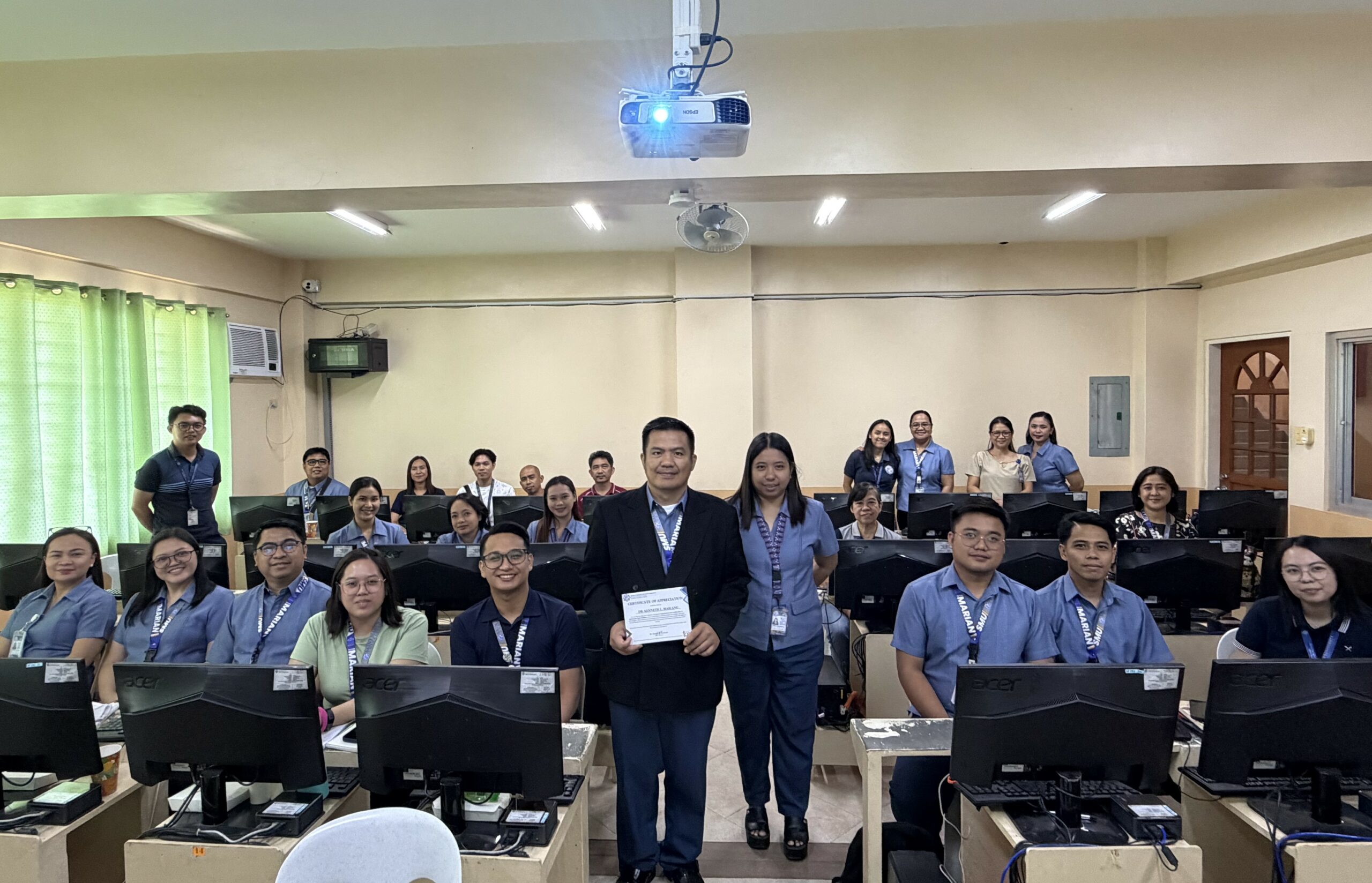
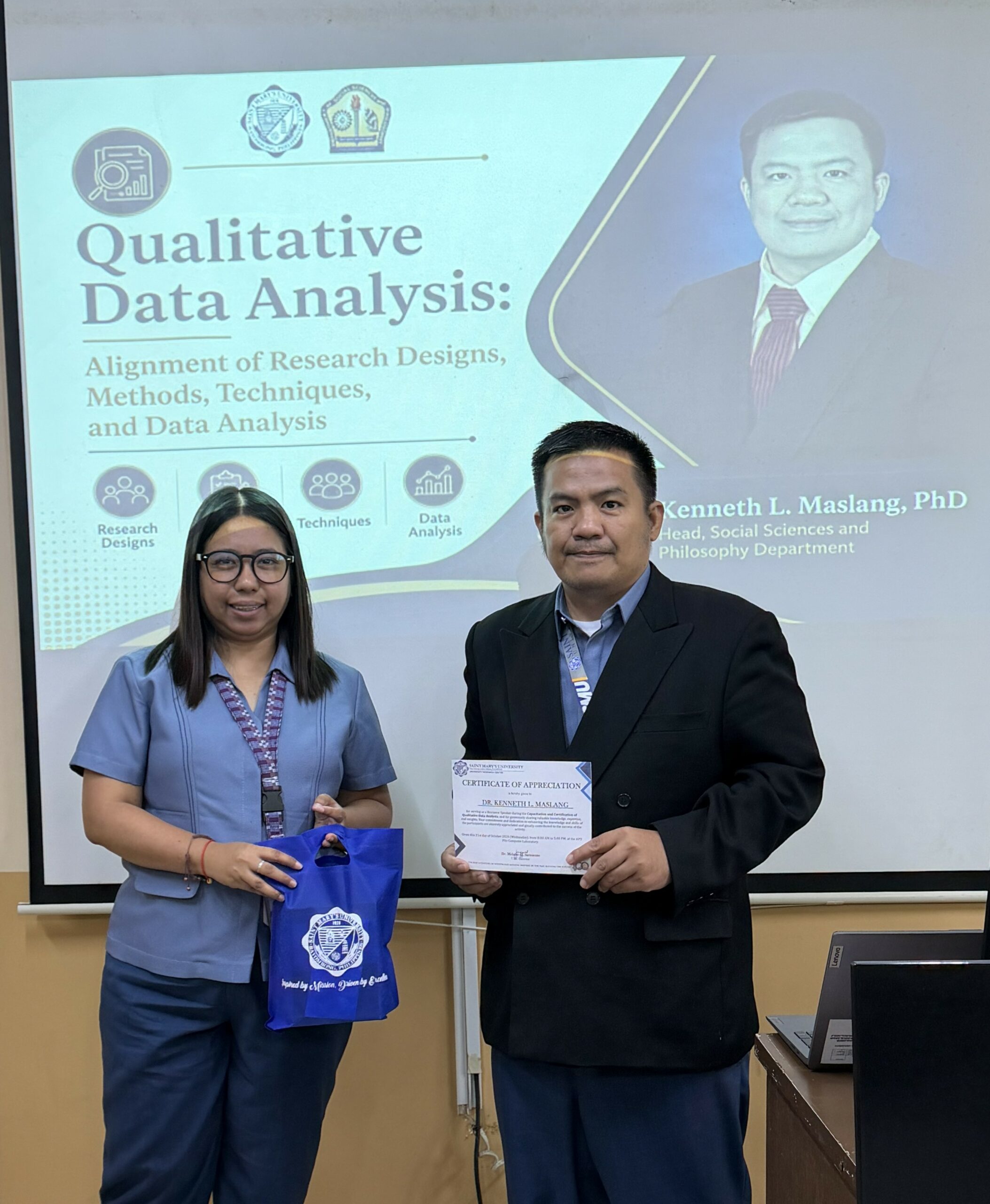
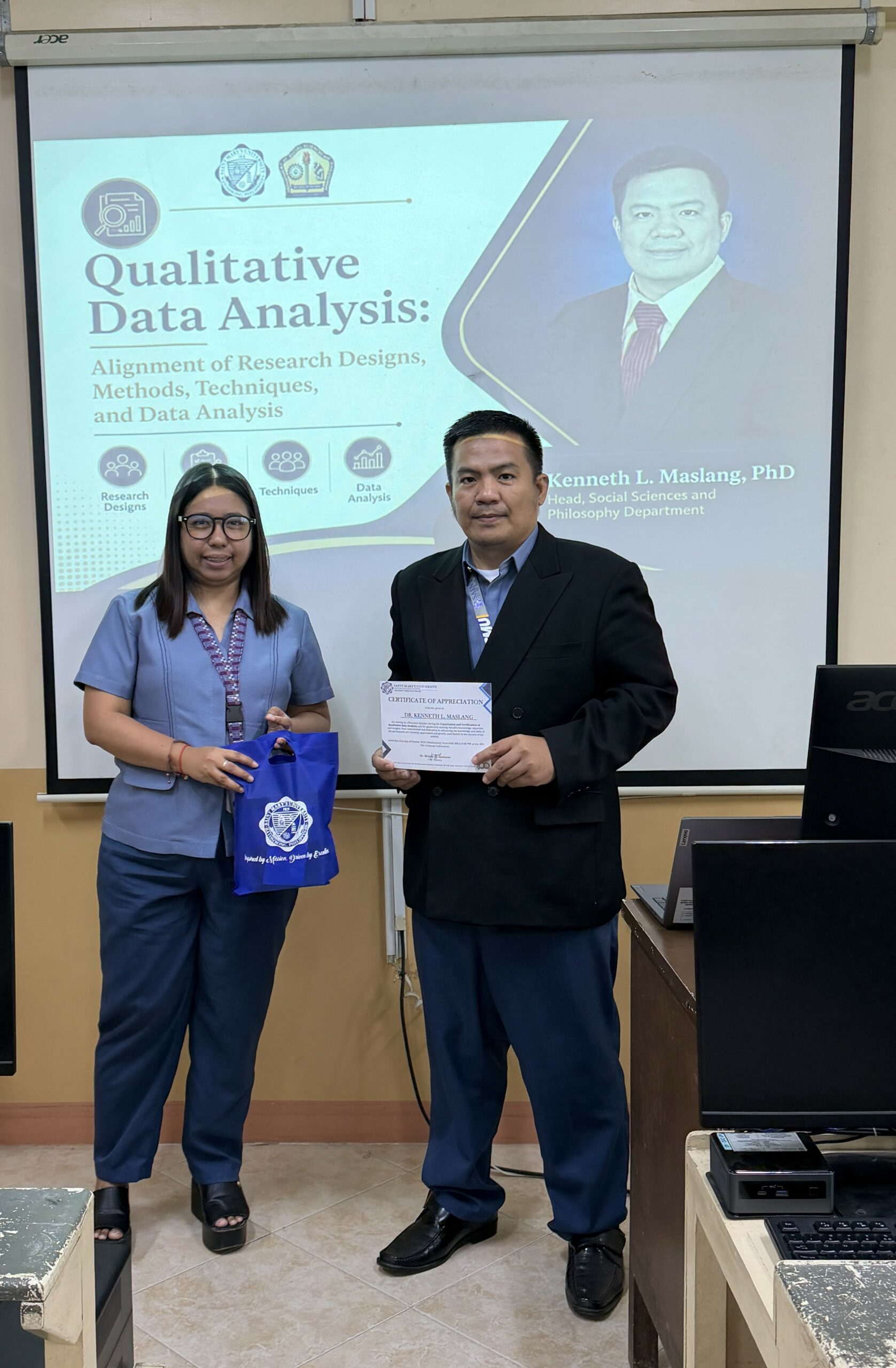
Following the lecture, an interactive question-and-answer session provided participants with an opportunity to address common challenges encountered in coding, categorizing, and interpreting qualitative data. The morning session concluded with the presentation of a Certificate of Appreciation to Dr. Maslang in recognition of his valuable contribution and expertise, followed by a photo opportunity with the organizers and participants.
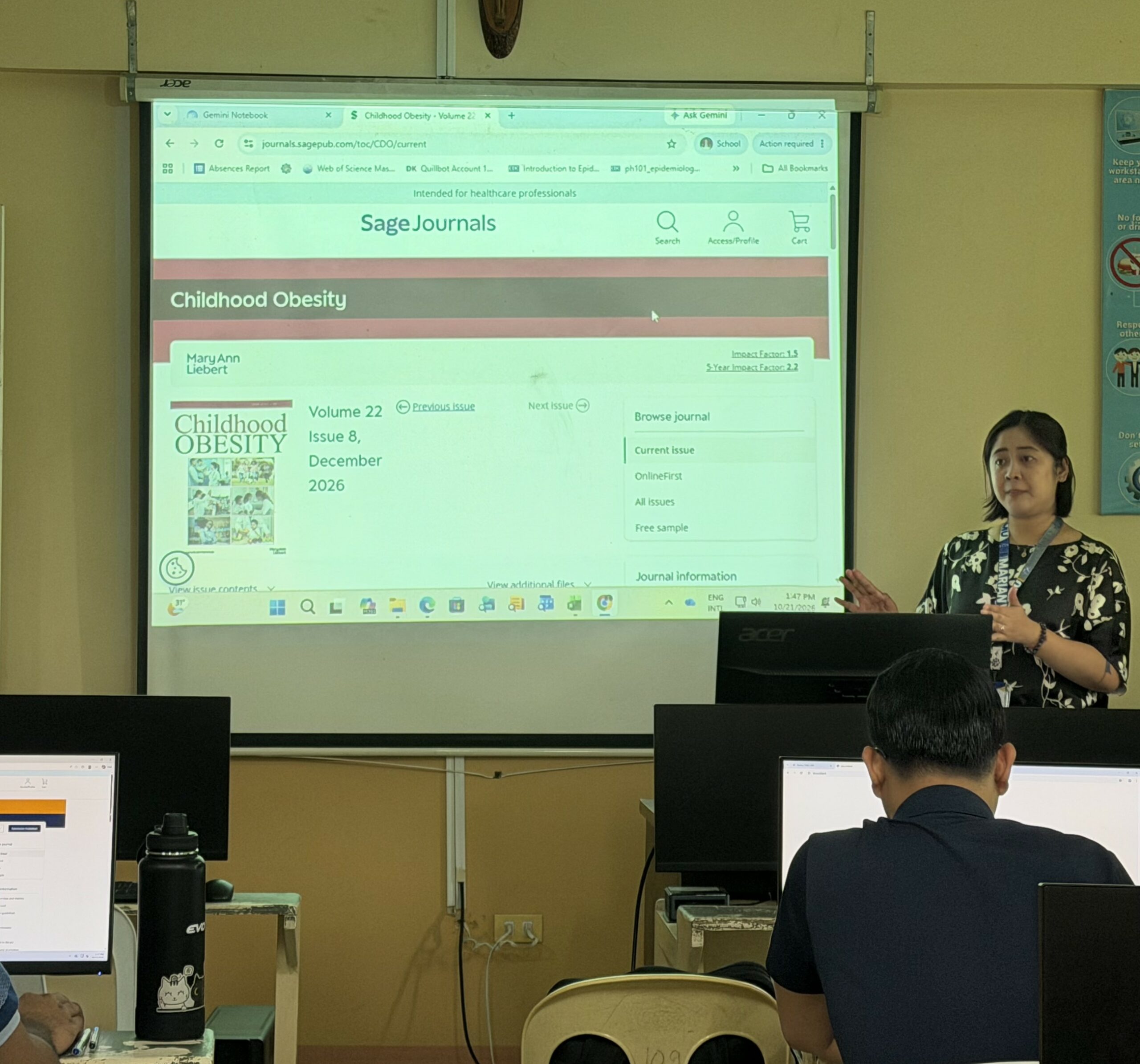
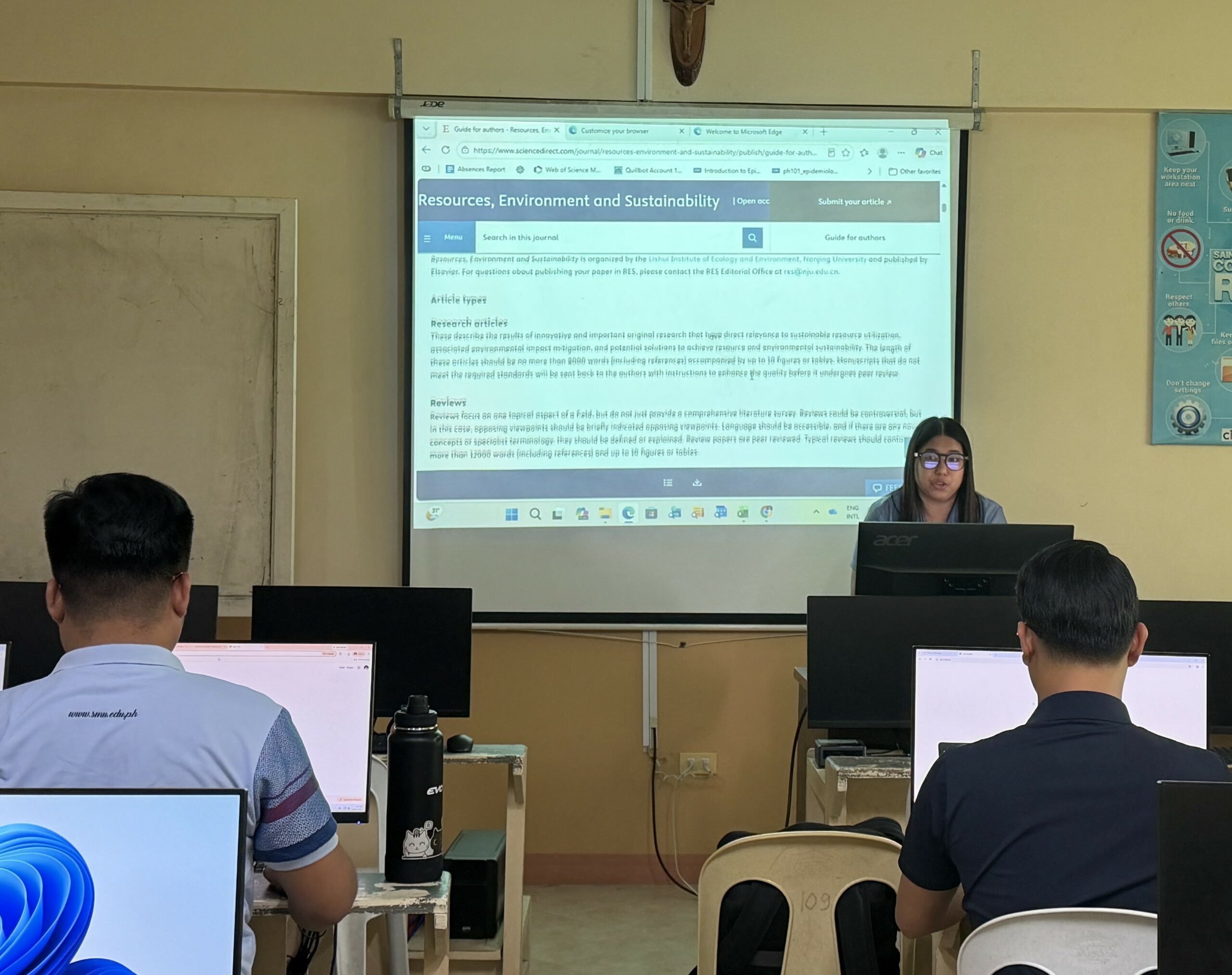
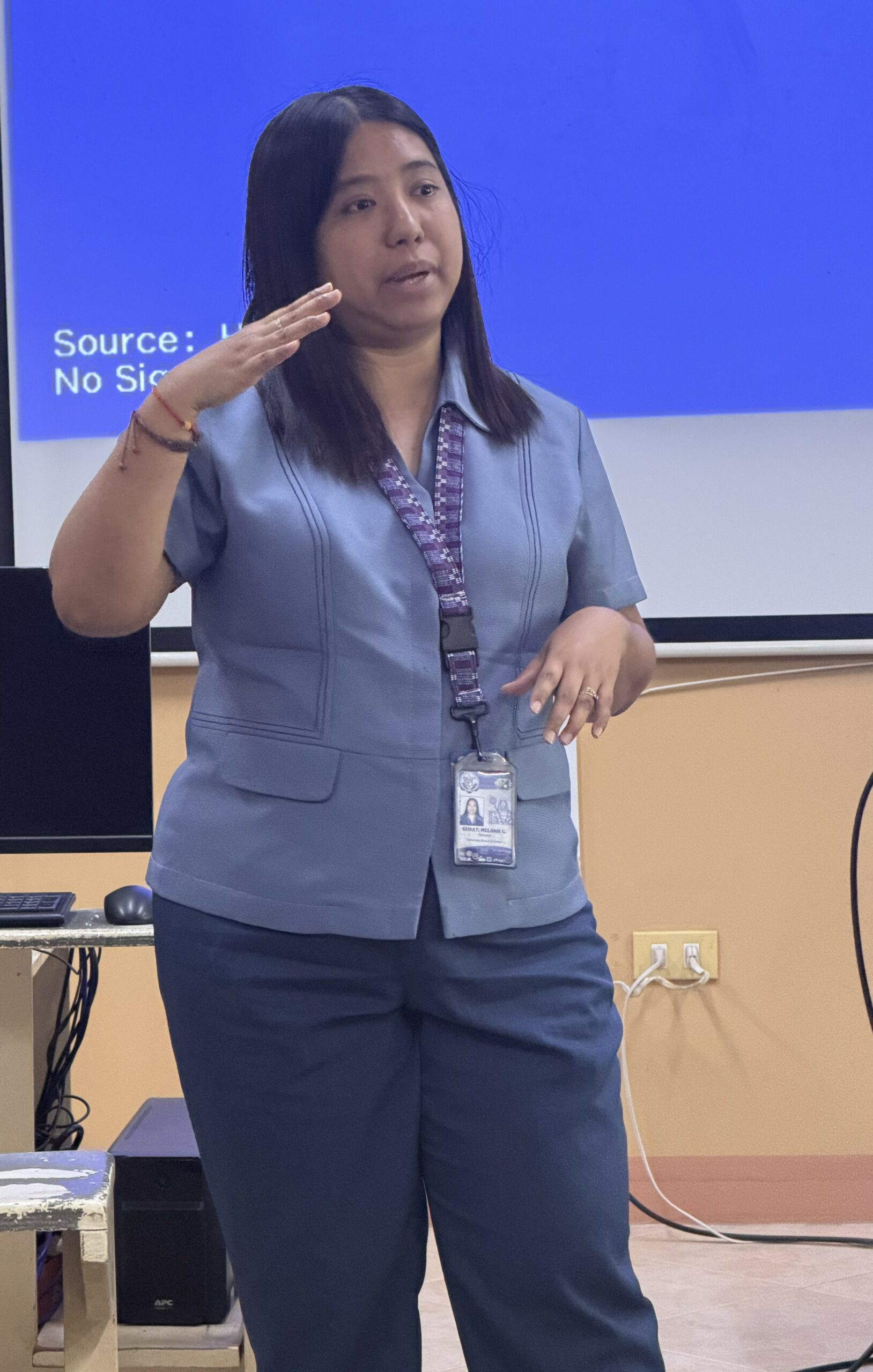
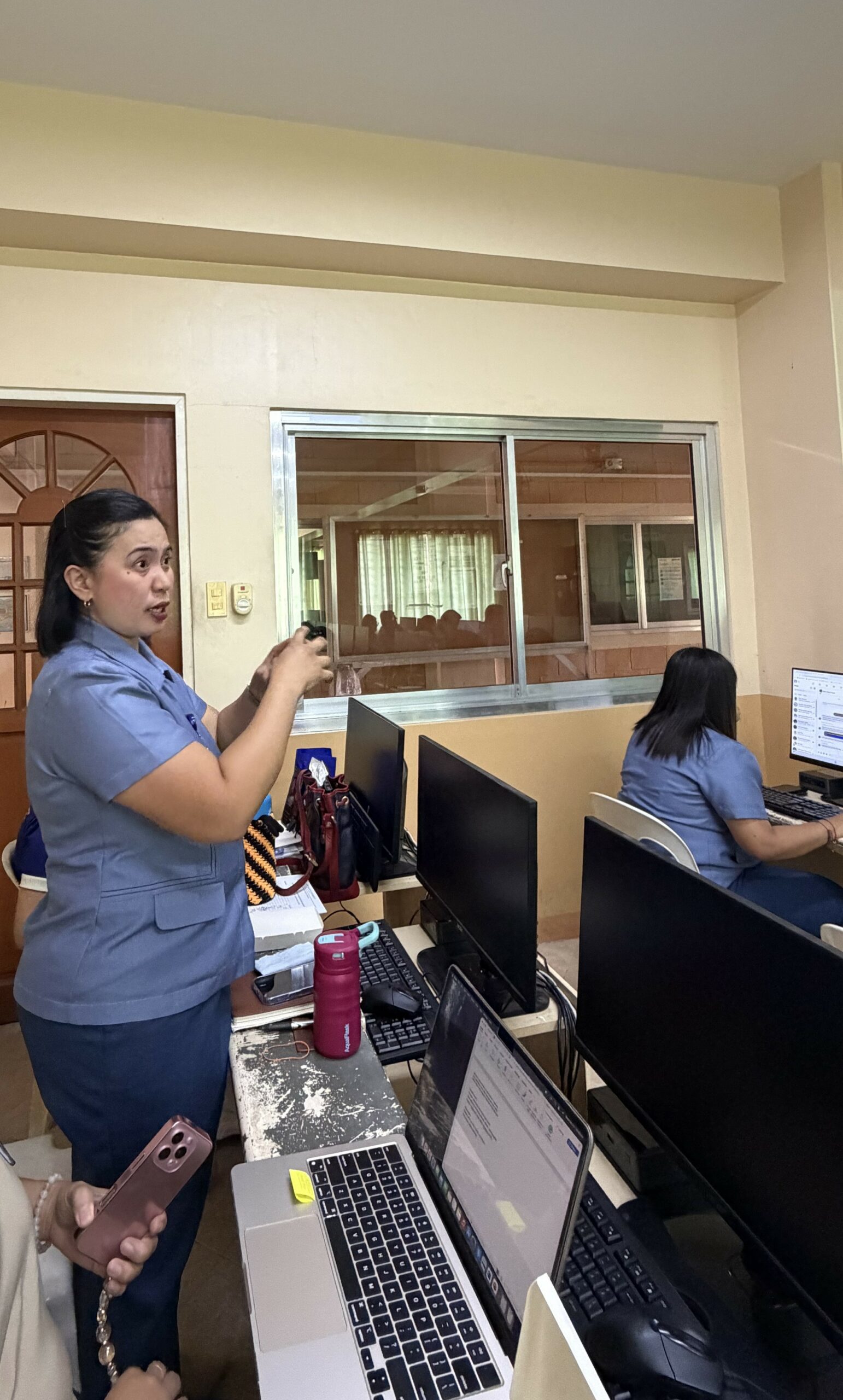
Adding significant value to the capacitation activity, the Director of the University Research Center, Dr. Melanie G. Sarmiento, actively engaged with the faculty and participants. During her discussion, Dr. Sarmiento reiterated key institutional guidelines and provided step-by-step guidance on how to successfully publish research manuscripts in reputable, high-impact journals. Furthermore, Mrs. Geraldine F. Yuzon, Nursing Research Coordinator, facilitated hands-on exercises on research journal critique, strengthening participants’ ability to critically evaluate scholarly literature, identify methodological gaps, and assess the quality and rigor of published studies. Through these practical activities, faculty members gained valuable insights into refining their research manuscripts and enhancing the quality of their scholarly publications.
The afternoon session was devoted to a certification examination, which assessed participants’ understanding and practical application of qualitative data analysis. The examination evaluated their competence in aligning research designs, methods, and analytical techniques, as well as their ability to systematically process and interpret qualitative datasets. As a core component of the certification process, this evaluation allowed participants to demonstrate their newly acquired skills while reinforcing institutional standards for research rigor
Overall, the Capacitation & Certification of Qualitative Data Analysts was a resounding success. The interactive approach of Dr. Maslang ensured that participants acquired actionable skills rather than passive theoretical knowledge, leaving attendees with heightened confidence in designing qualitative studies, aligning methodologies, and conducting thematic analysis.
By bridging knowledge gaps and providing formal certification, Saint Mary’s University continues to reinforce its commitment to producing high-quality, methodologically sound research that contributes significantly to academic development and community impact.

SDG 4 – Quality Education
SDG 9 – Industry, Innovation, and Infrastructure
SDG 17 – Partnerships for the Goals
Written by: Mrs. Cathelyn C. Mariano
SHNS Research Coordinator -Biology, Med.Lab Science & Pharmacy