SMU Hosts Seminar on Transforming Intellectual Property into Market-Ready Innovations Through Design Thinking
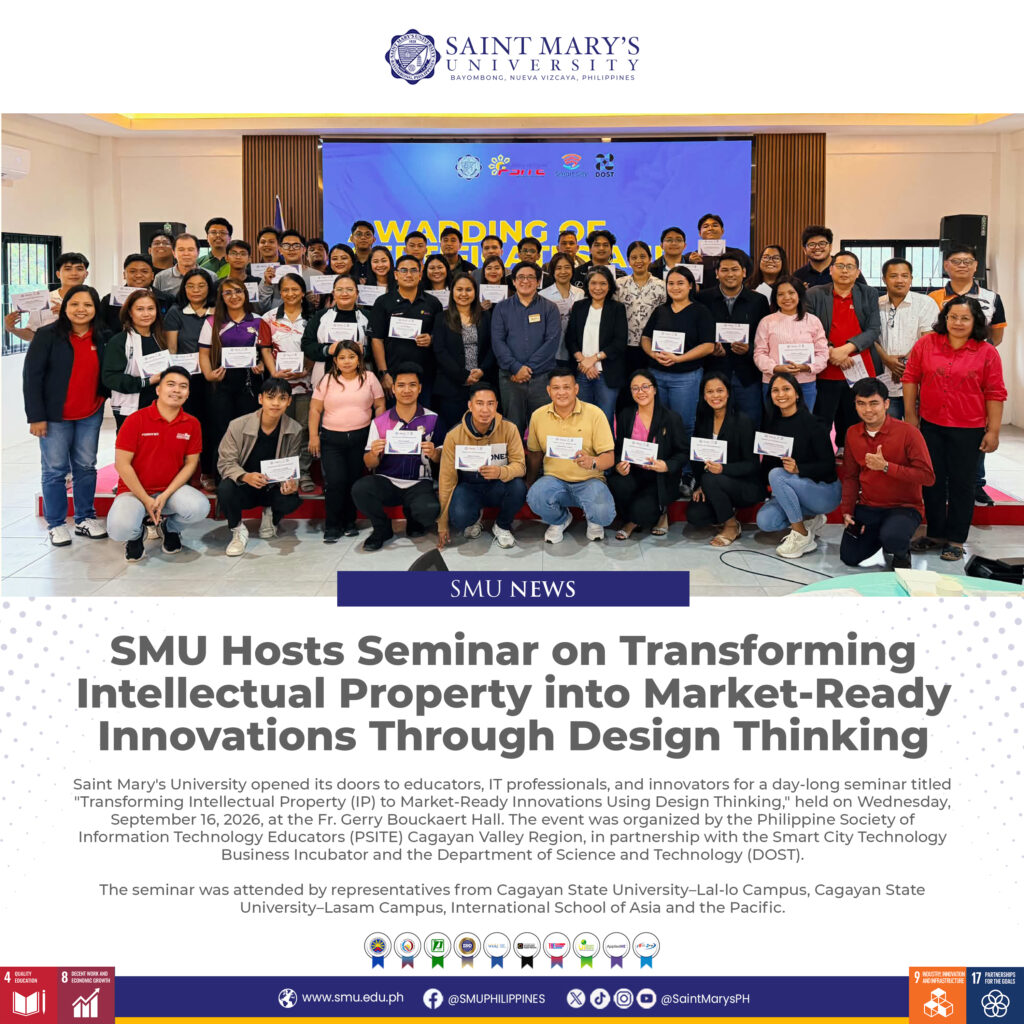
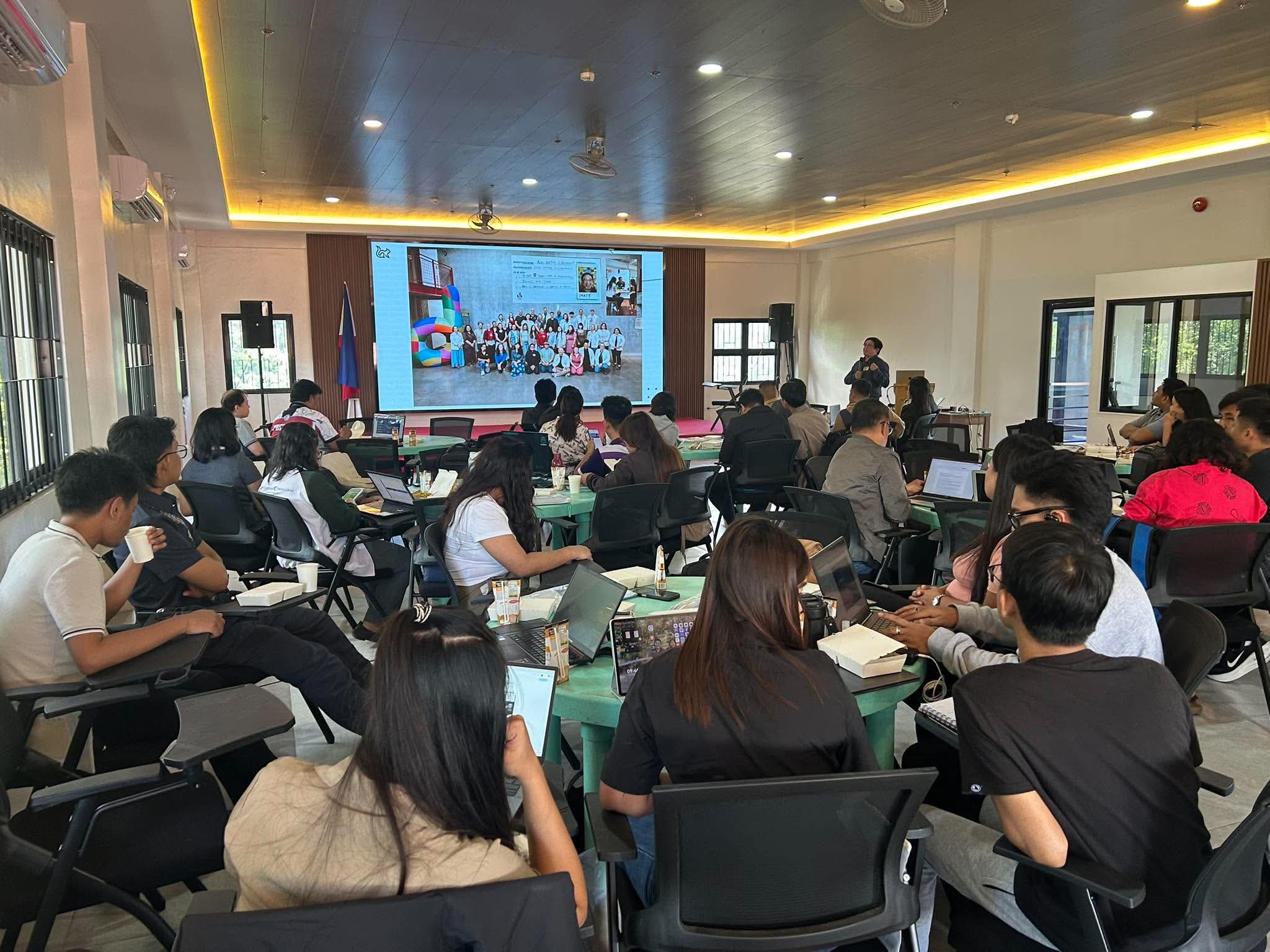
Saint Mary’s University opened its doors to educators, IT professionals, and innovators for a day-long seminar titled “Transforming Intellectual Property (IP) to Market-Ready Innovations Using Design Thinking,” held on Wednesday, September 16, 2026, at the Fr. Gerry Bouckaert Hall. The event was organized by the Philippine Society of Information Technology Educators (PSITE) Cagayan Valley Region, in partnership with the Smart City Technology Business Incubator and the Department of Science and Technology (DOST).
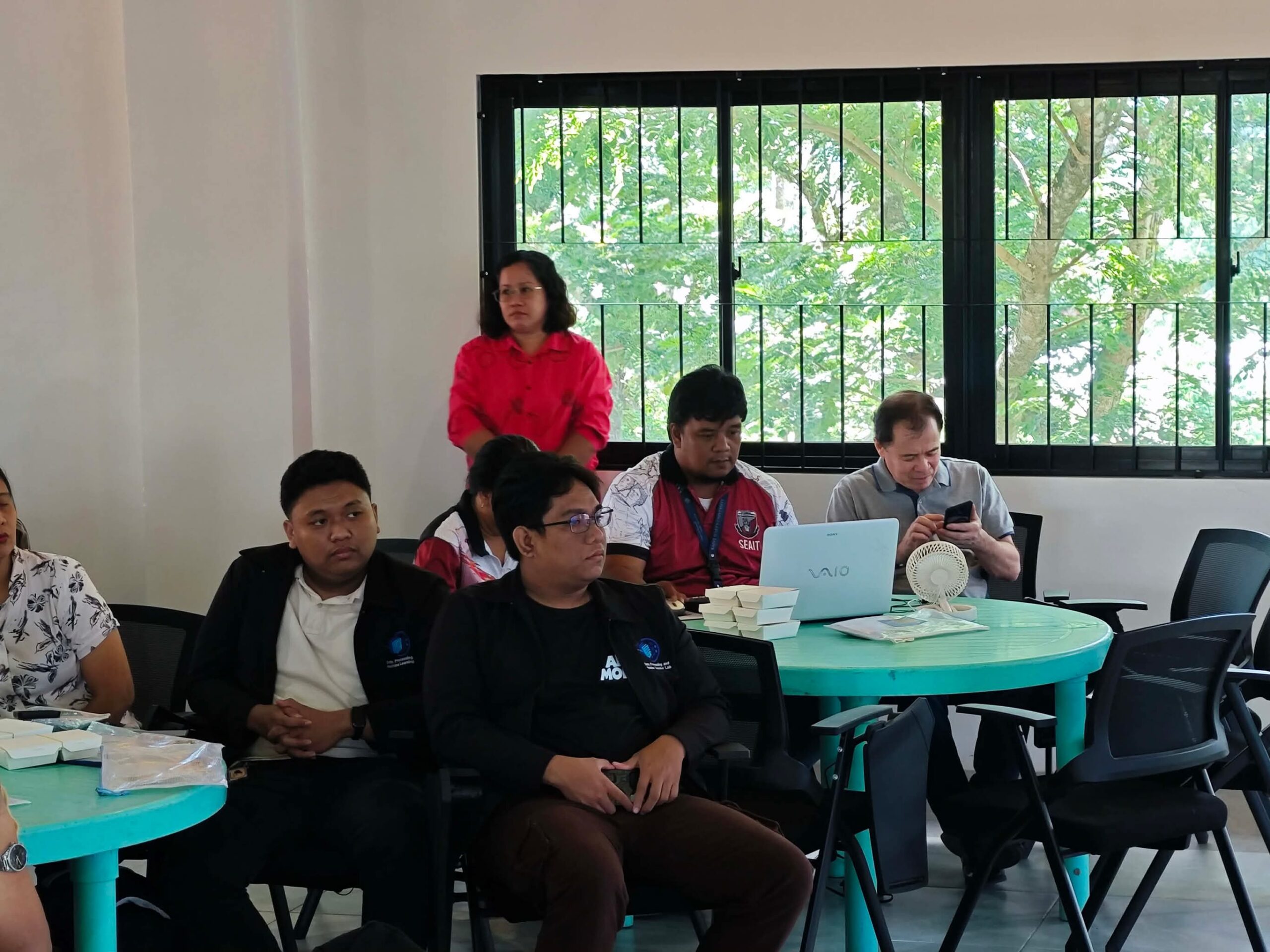
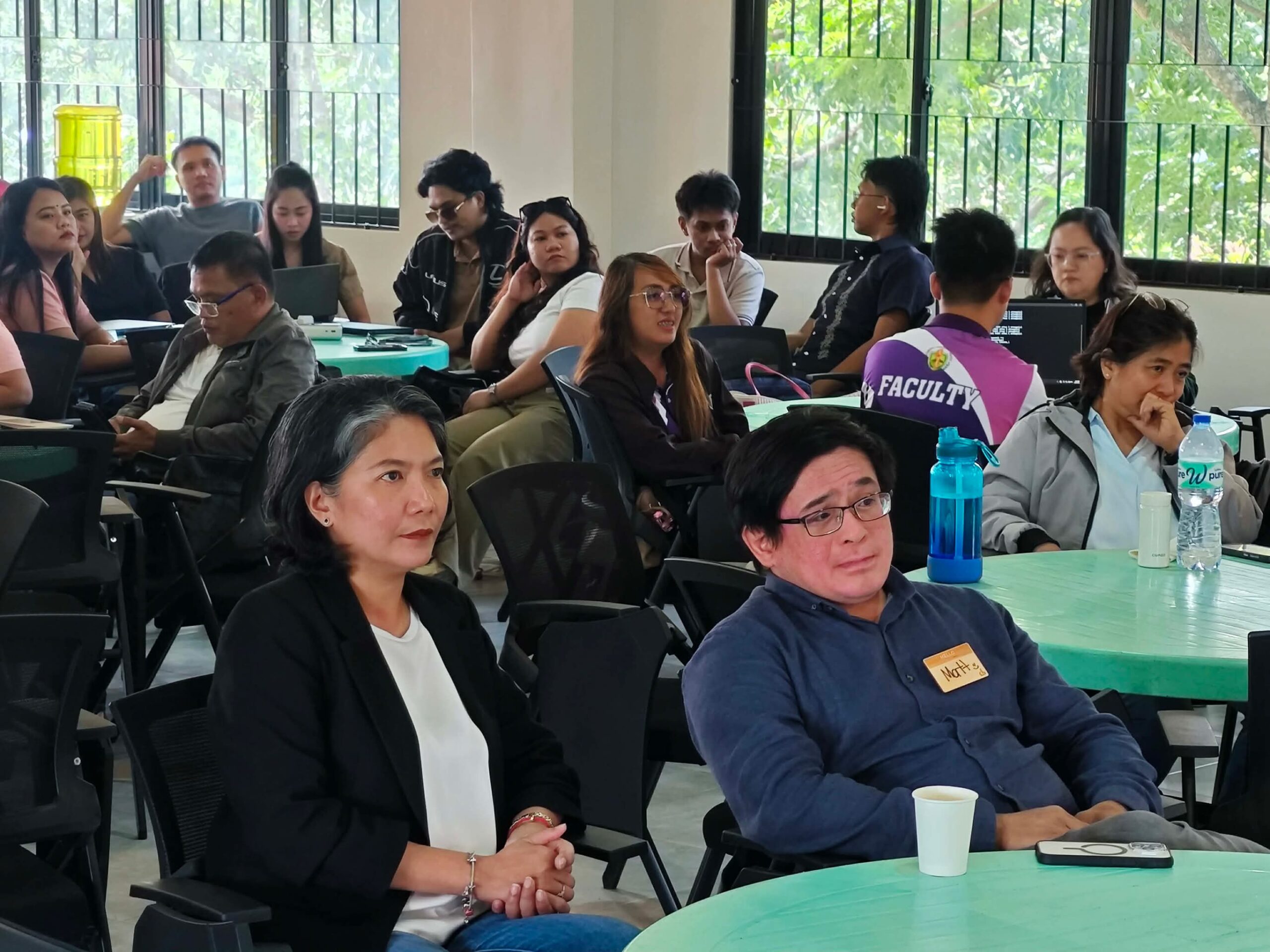
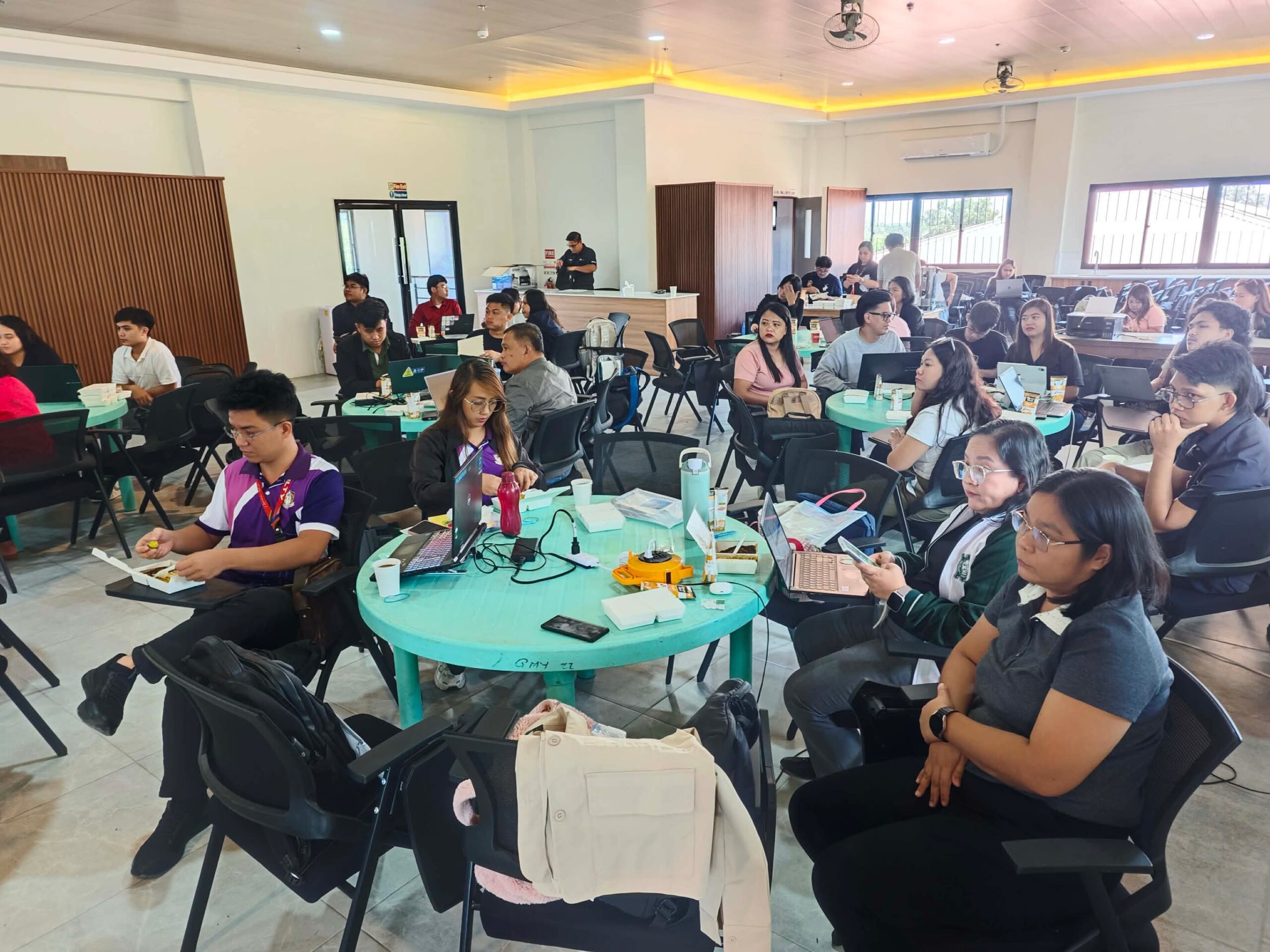
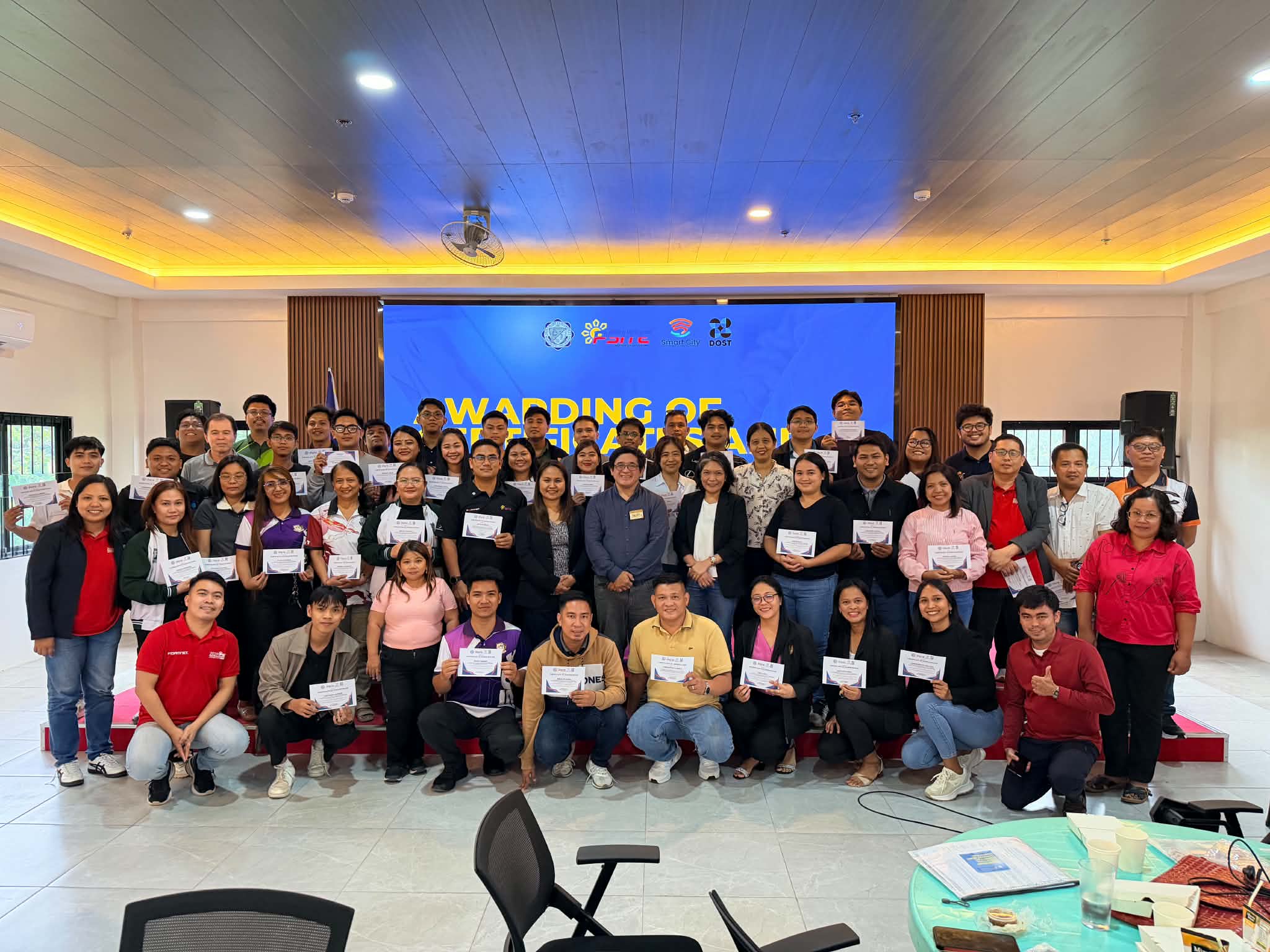
The seminar was attended by representatives from Cagayan State University–Lal-lo Campus, Cagayan State University–Lasam Campus, International School of Asia and the Pacific, Isabela State University–Cauayan Campus, Isabela State University–Echague, Quirino State University–Cabarroguis Campus, University of Cagayan Valley, University of Perpetual Help System–Cauayan, and Nueva Vizcaya State University, Saint Mary’s University.
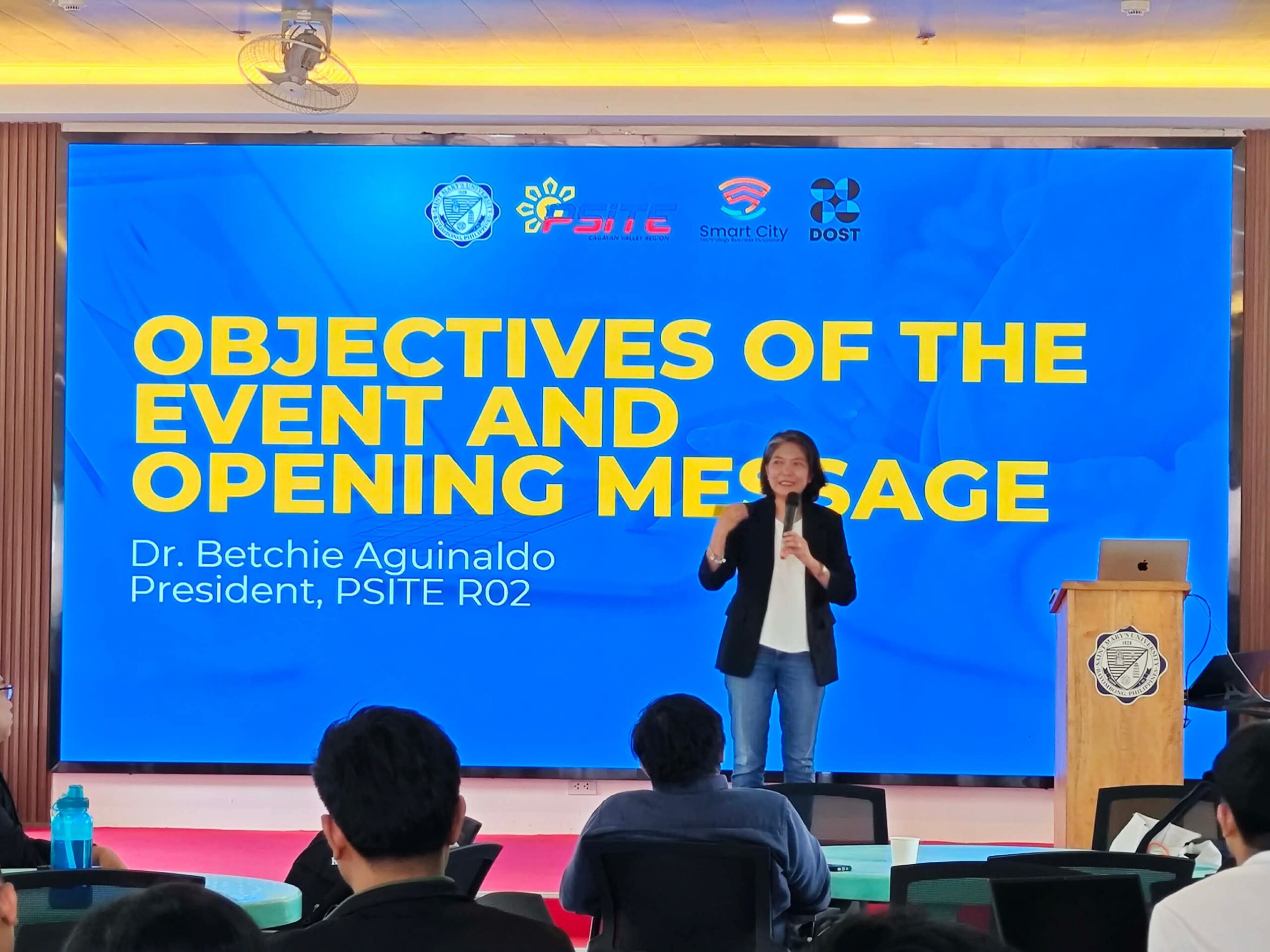
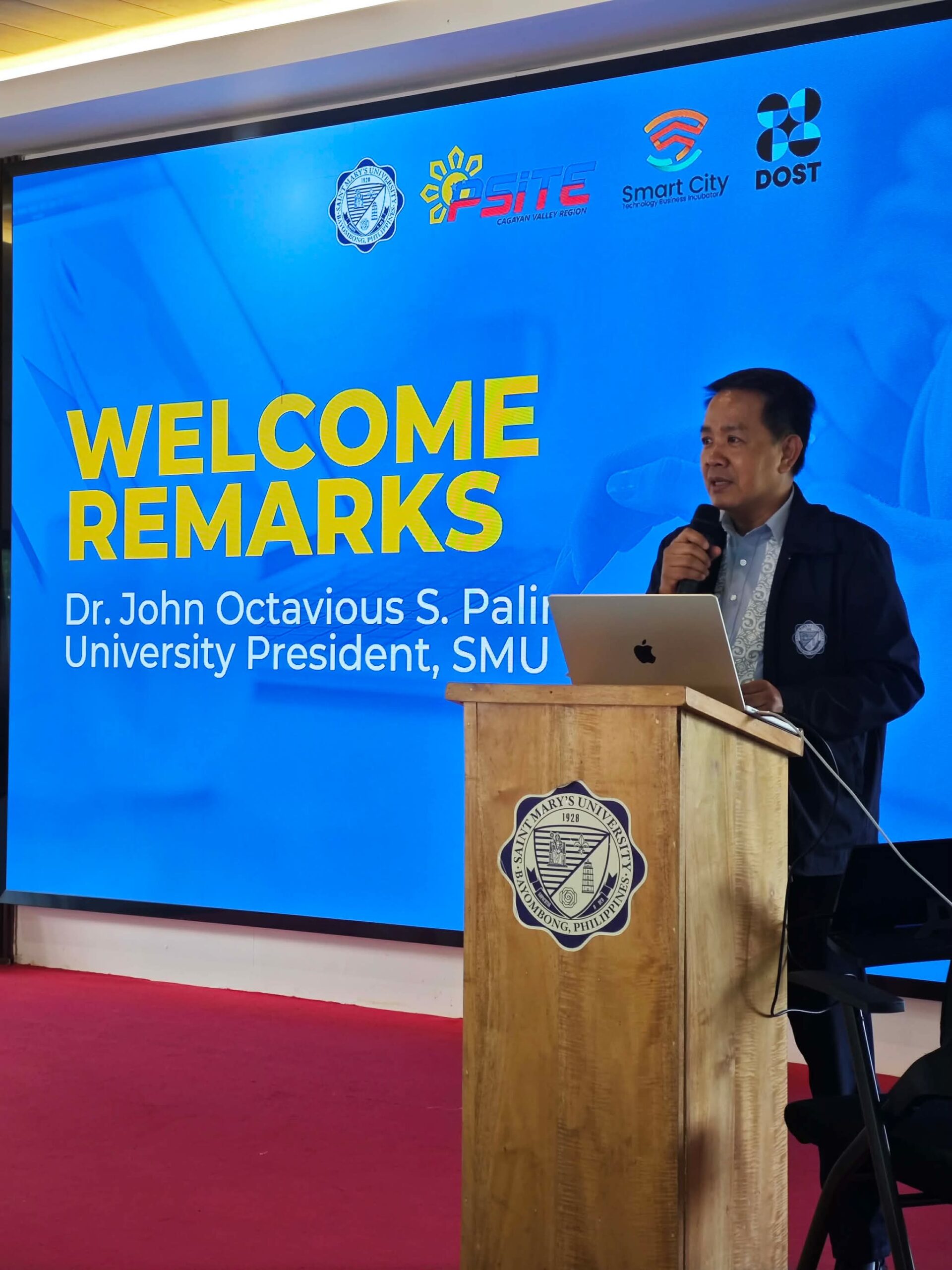
The program started with welcome remarks from Dr. John Octavious S. Palina, University President of Saint Mary’s University. In his message, Dr. Palina highlighted the importance of establishing a business incubation program within the university, framing it as a vital step toward helping students and researchers turn their ideas and intellectual property into real, market-ready ventures. This was followed by the objectives of the event, delivered by Dr. Betchie Aguinaldo, President of PSITE Region 02, who outlined the goals of the gathering and welcomed participants from across the region.
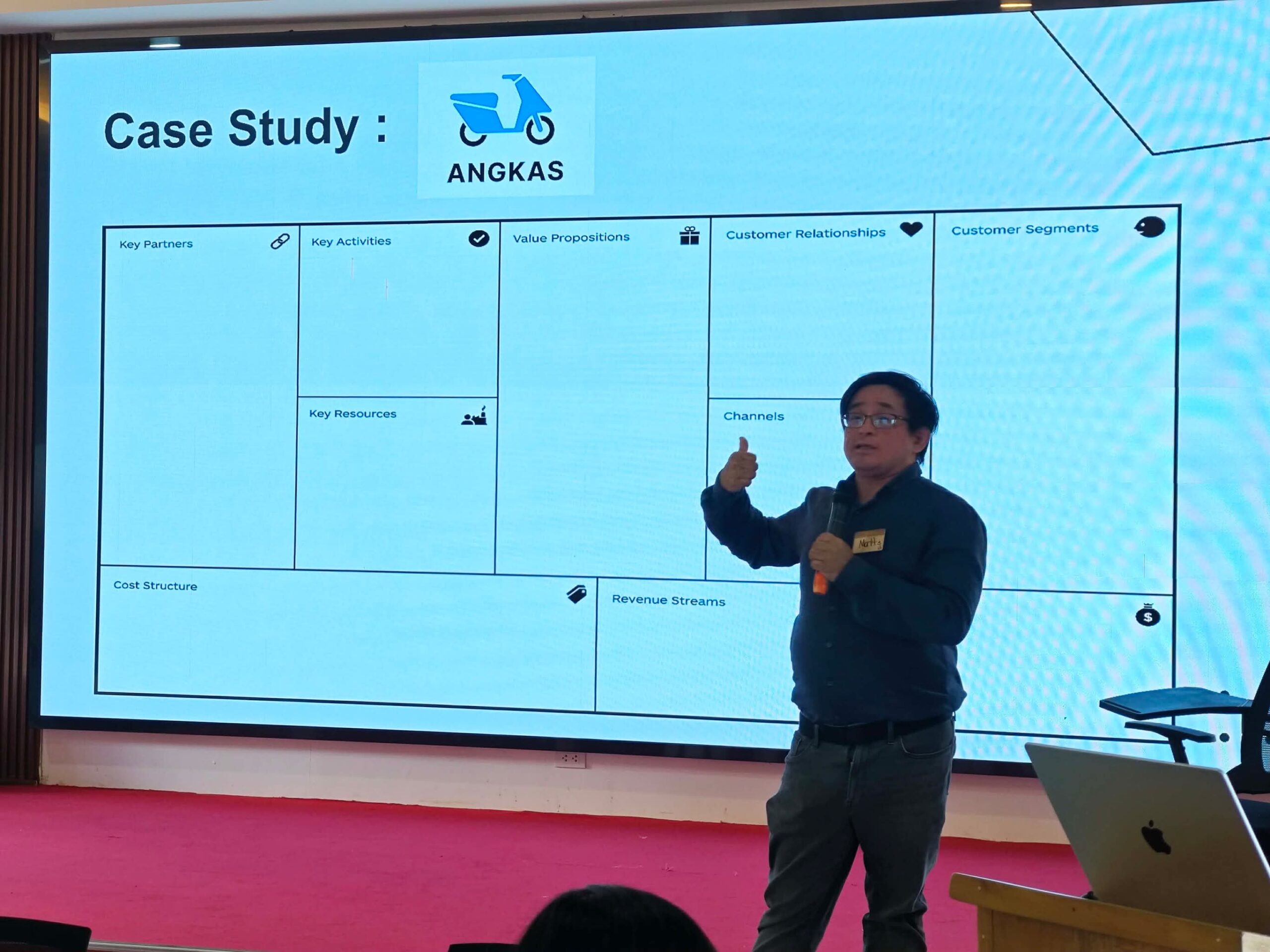
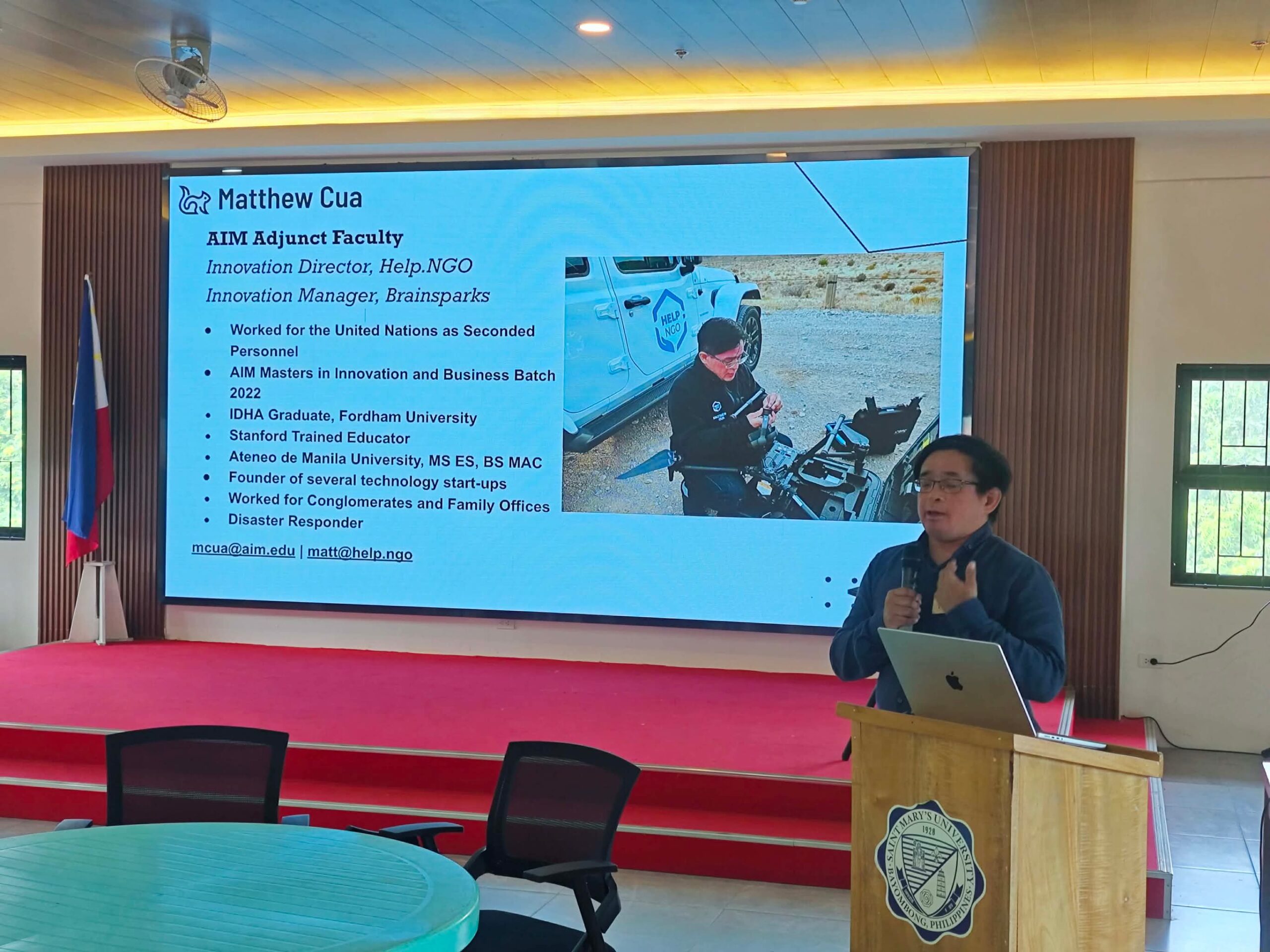
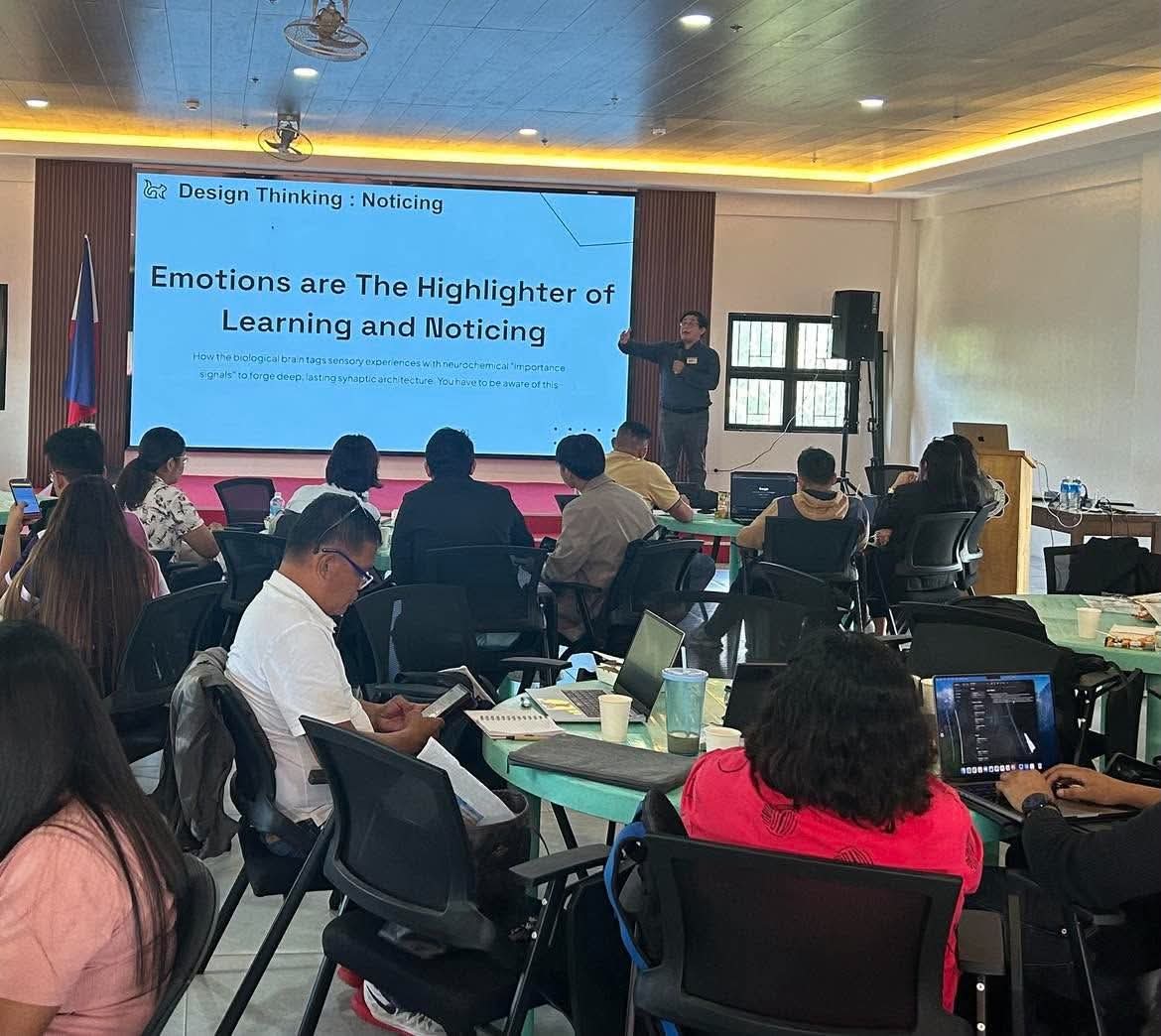
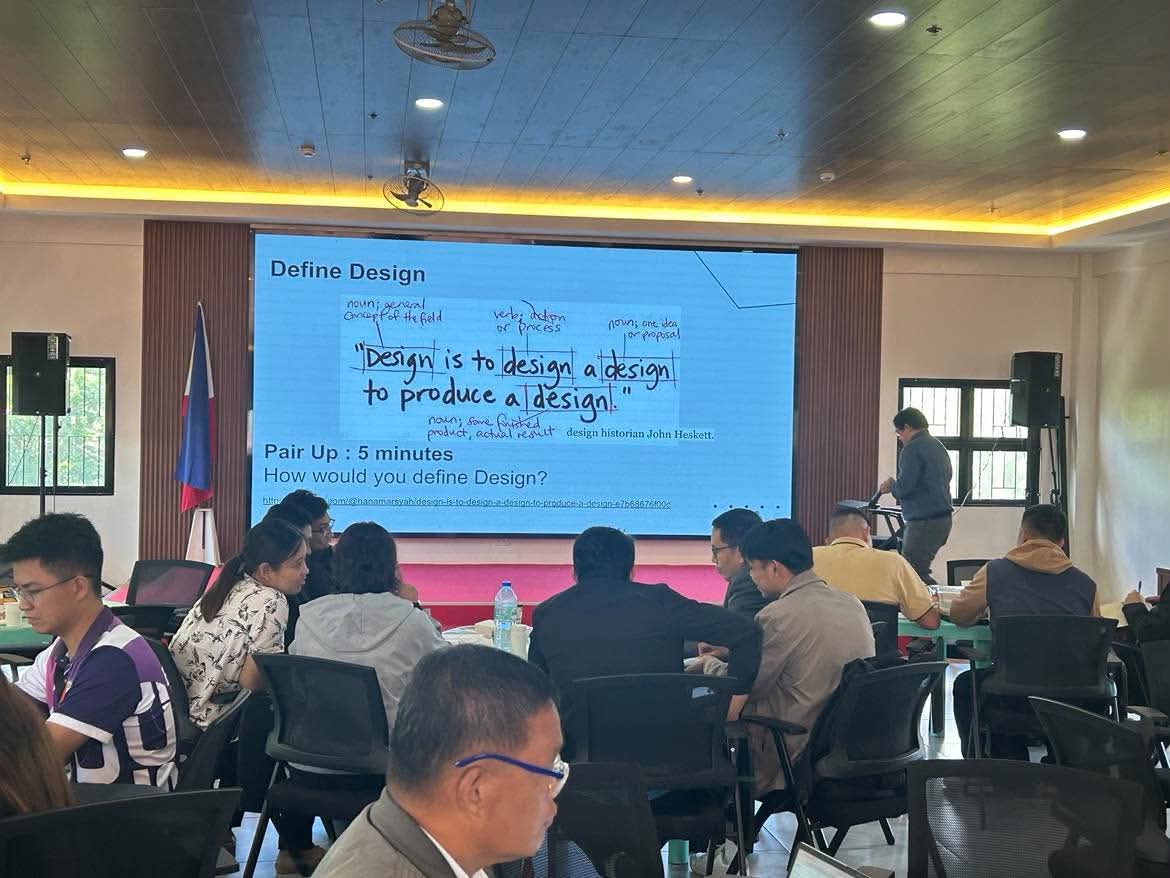
The seminar featured Mr. Matthew Cua, an AIM Adjunct Faculty member and Innovation Director of Help.NGO, who shared his extensive experience in innovation, technology, and humanitarian work. His professional background includes engagements with the United Nations, technology start-ups, conglomerates, family offices, and disaster response initiatives, giving participants valuable perspectives on applying innovation to real-world challenges.
In his presentation, Mr. Cua introduced three key design abilities: Noticing, Sensemaking, and Experimenting. Participants were encouraged to look beyond obvious problems, observe situations more carefully, make meaningful connections from what they discover, and explore possible solutions through experimentation.
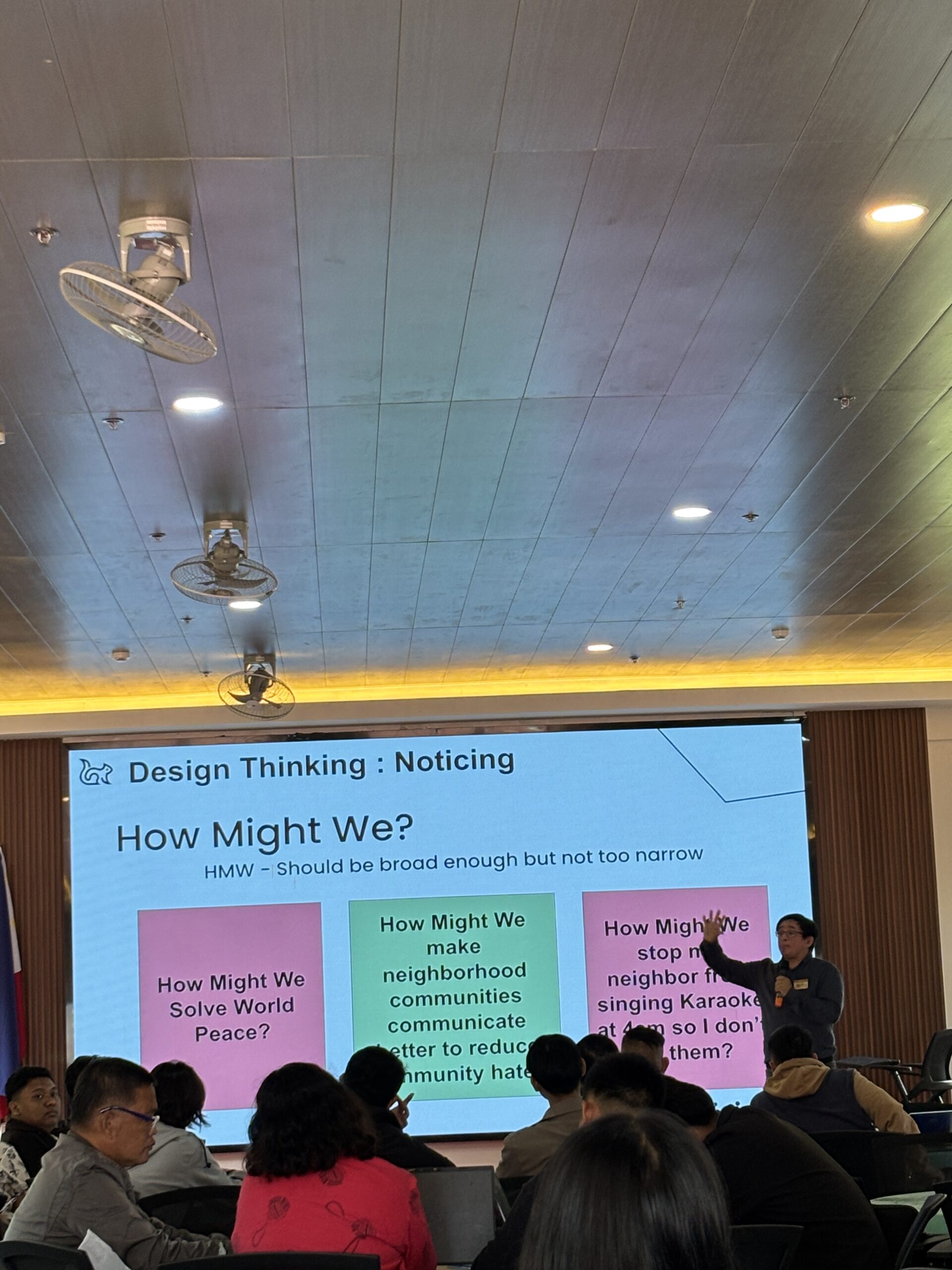
Mr. Cua also discussed the “How Might We?” (HMW) approach, which helps transform problems and observations into opportunities for creative problem-solving. He emphasized that an effective HMW question should be broad enough to encourage different ideas while remaining focused enough to guide meaningful action.
Mr. Cua’s sharing emphasized that innovation goes beyond technology and business.
Design Thinking offers a way of approaching complex challenges by observing carefully, making sense of what is discovered, and experimenting with ideas that can lead to meaningful solutions